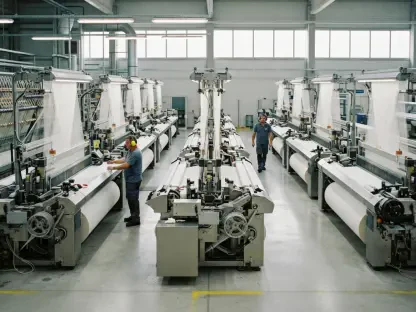

The $2 billion project in South Carolina is projected to create over 4,000 direct jobs, providing a significant boost to the state’s industrial economy and manufacturing sector. This substantial capital infusion represents more than just a factory opening; it signifies the rebirth of a legendary nameplate that once defined the American off-road experience. By transforming a historical concept into a modern manufacturing reality, Scout Motors is leveraging the vast resources of the Volkswagen Group to establish a foothold in the competitive SUV and truck markets. The project has successfully transitioned from theoretical blueprints to a massive physical footprint in Blythewood, showcasing a commitment to domestic production that aligns with current industrial trends. As the automotive landscape shifts toward sustainable yet rugged transportation, this initiative serves as a blueprint for how legacy brands can be reimagined through high-tech manufacturing and strategic regional investment.
Manufacturing: Commencing Assembly and Precision Engineering
Building an automotive brand from the ground up remains one of the most complex industrial feats of the modern era, often plagued by delays that relegate promising designs to the realm of perpetual prototypes. However, Scout Motors has effectively moved beyond this stage by initiating the assembly of its first physical validation vehicles within the newly commissioned South Carolina facility. These early units represent a critical bridge between digital engineering and mass production, allowing the company to verify that its architectural designs can be translated into durable, functional hardware. By focusing on the Scout Traveler SUV and the Scout Terra pickup truck, the organization is prioritizing the core segments that originally made the brand a household name. This phase marks a definitive shift in strategy, where the focus moves from styling and marketing to the rigorous realities of assembly line dynamics, ensuring that factory infrastructure is fully calibrated.
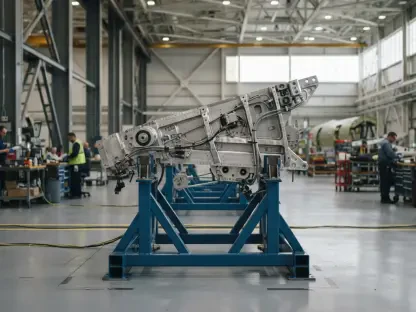
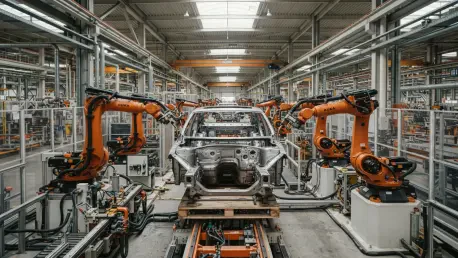
At the core of the Blythewood operation lies the Body Shop, a highly automated environment where the skeletal foundation of each Scout vehicle is constructed using a fleet of over 750 robots. These robots work in synchronization to join approximately 160 individual steel and aluminum components, ensuring the structural integrity needed for demanding off-road use. To guarantee excellence, Scout Motors implemented an AI-supported weld monitoring system that evaluates every one of the 5,000 weld points on a vehicle in real-time using advanced measurement sensors. This data-driven approach allows for the immediate detection of deviations from engineering specifications, ensuring that no frame moves to the next stage unless it meets rigorous quality standards. Before a body leaves the shop, it undergoes thousands of individual measurements to verify its dimensions. This extreme level of scrutiny ensures that the Traveler and Terra models can handle the physical stresses of modern exploration.
Economics: Scaling Production and Driving Regional Growth
Once the vehicle body is structurally verified, it moves into a sophisticated paint shop that provides both aesthetic appeal and critical corrosion protection essential for rugged off-road environments. This high-tech coating process is followed by the final assembly stage, where the human element becomes vital as skilled technicians work alongside automated systems to install intricate components. During this phase, employees handle the installation of complex wiring harnesses, interior seating, and steering mechanisms while preparing for high-volume output. Although the factory currently operates at a measured pace to facilitate learning and adjustment, the infrastructure was engineered to eventually reach a production speed of 40 vehicles per hour. This ambitious throughput is designed to meet the high volume of consumer demand expected as the brand officially enters the retail market, balancing the precision of robotics with the adaptability of manual labor for craftsmanship.
The broader economic impact of the Blythewood facility acts as a powerful catalyst for regional growth, as the establishment of a dedicated Supplier Park in 2026 will streamline logistics by bringing parts manufacturers directly to the factory gates. This strategic move has attracted significant third-party investment and created over 4,000 direct jobs, solidifying the state’s position as a central hub for the American automotive industry. The successful completion of early validation builds confirms that a disciplined development timeline is necessary to ensure high quality for the Traveler SUV and Terra pickup. Looking ahead, the next logical steps involve expanding the model lineup to include specialized fleet variants and further integrating modular battery technologies to enhance range flexibility. The industry has observed that revitalizing an icon requires more than just nostalgia; it demands a massive investment in physical infrastructure and a relentless focus on engineering excellence that serves as a model for future brand resurrections.