
The rapid evolution of additive manufacturing has shifted from experimental prototyping to a cornerstone of industrial production, where the availability of high-purity metal powders determines the success of critical aerospace and medical components. Tekna has recently demonstrated how a dual-focus strategy on hardware systems and material production can stabilize volatile supply chains while driving substantial revenue growth. As of 2026, the company has reported a staggering 61 percent increase in year-over-year revenue, signaling a robust appetite for advanced materials across global markets. While navigating the complexities of consolidating Asian operations, the firm managed to pivot toward a sustainable financial model that emphasizes cash flow over debt-heavy expansion. This development is relevant as industries seek to decouple from fragile logistics and invest in domestic manufacturing. By positioning itself at the intersection of technological innovation and logistical resilience, the organization is effectively setting a new standard for how material science companies support the broader manufacturing ecosystem.
Scaling Through Synergy: The Relationship Between Systems and Materials
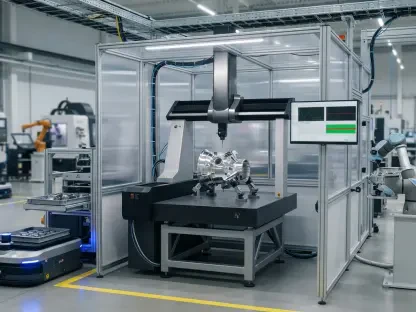
A fundamental component of the current growth trajectory involves the strategic seeding of the market through the aggressive expansion of the systems division. By installing advanced plasma-based processing equipment within client facilities, the company establishes a built-in demand for its proprietary metal powders, creating a long-term revenue stream that extends far beyond the initial hardware sale. This approach has led to an explosive 270 percent growth in systems revenue, generating approximately CAD 5.04 million in recent reporting periods. This dramatic surge indicates that manufacturers are not merely testing the waters of additive manufacturing but are instead committing to large-scale production capacities. As these machines become integrated into industrial workflows, the reliance on high-quality consumables ensures that the relationship between the supplier and the manufacturer remains intertwined. This synergy reduces the cyclical nature of hardware sales and replaces it with the predictability of recurring material consumption in various high-tech fields.
While the systems division provides the infrastructure for growth, the materials division remains the primary engine of revenue, contributing CAD 8.6 million through a steady 20 percent year-over-year increase. This growth is primarily fueled by intensified demand from the aerospace, defense, and medical sectors, where the requirement for precision-engineered materials is non-negotiable. In the medical field specifically, the adoption of metal additive manufacturing for personalized implants has reached a tipping point, leading to significant new orders from contract manufacturers. These sectors prioritize materials that can withstand extreme conditions or provide biocompatibility, making the high-purity spherical powders produced via plasma atomization indispensable. By focusing on these high-margin industries, the organization has shielded itself from the price sensitivity of the broader market. The continued expansion of this division reflects a trend where specialized material properties are becoming the primary differentiator in the competitive landscape of advanced industrial manufacturing.
Financial Resilience and Regulatory Leadership
The transition toward financial stability is perhaps most visible in the recent shift toward positive free cash flow, reaching CAD 5.6 million during the third quarter. This represents a significant turnaround from previous periods characterized by negative cash positions and a heavy reliance on external funding. In the current 2026 economic landscape, maintaining liquidity without accumulating excessive debt is a critical advantage, allowing for strategic investments in 2030 growth targets with minimal capital expenditure. This financial discipline was achieved despite the one-time costs associated with streamlining international operations and consolidating regional offices. By optimizing internal processes and focusing on efficiency, the company has demonstrated that rapid scaling does not have to come at the expense of fiscal health. This newfound flexibility enables the organization to respond quickly to market shifts, providing a stable foundation for long-term research and development without the constant pressure of seeking new investment rounds.
Technological leadership was further solidified when the company achieved NADCAP accreditation under the new AC7143 standard, becoming the first metal powder manufacturer to reach this milestone. This certification simplified the qualification process for aerospace clients and reduced the time required to integrate new materials into flight-critical systems. To maintain this momentum, stakeholders focused on expanding the portfolio of certified materials to include advanced alloys that were previously difficult to process. They also implemented modular production designs that allowed for the rapid scaling of capacity near emerging industrial clusters. Future considerations included the development of digital twin technologies for real-time material tracking, ensuring full traceability from feedstock to finished parts. By aligning regulatory rigor with material science, the industry moved toward a more resilient model of distributed manufacturing. These steps provided a blueprint for how suppliers evolved into technology partners who shaped the future of global production.