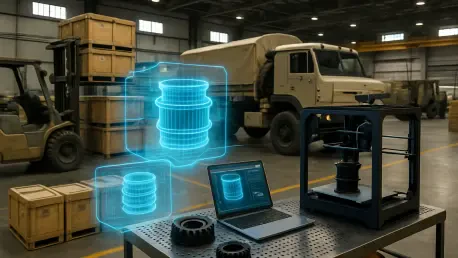

The realization that traditional logistical chains often falter during high-intensity conflicts has prompted the United States Marine Corps to fundamentally rethink how it maintains and repairs its vast fleet of tactical vehicles. In a significant move toward modernization, Oshkosh Defense has entered into a groundbreaking public-private partnership with the Marine Depot Maintenance Command in Albany, Georgia. This collaboration focuses on integrating advanced digital manufacturing and additive manufacturing techniques to support essential platforms such as the Logistics Vehicle System Replacement and the Medium Tactical Vehicle Replacement. By establishing the Digital Manufacturing Exchange, the partnership aims to modernize the Marine Corps Organic Industrial Base, ensuring the long-term sustainability of critical equipment. This shift represents a departure from the reliance on massive physical inventories, favoring a streamlined approach that prioritizes speed and technological precision in the field.
Transitioning to a Digital Supply Chain Model
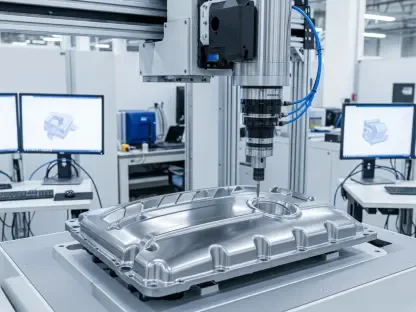
The core of this agreement involves a strategic shift from traditional, hardware-heavy logistics to a sophisticated digital supply chain model that emphasizes data over physical inventory. Rather than shipping physical components across the globe, Oshkosh Defense, acting as the Original Equipment Manufacturer, provides validated and configuration-controlled technical data directly to the command center. This allows the Marine Corps to utilize additive manufacturing—commonly referred to as 3D printing—to produce approved parts and specialized kits at the exact point of need. This method ensures that the components are not merely reverse-engineered or sourced from unverified third parties but are instead manufactured according to the designer’s original, rigorous specifications. By maintaining such high standards for data integrity, the military protects the structural and mechanical performance of its vehicles, ensuring that every printed part meets the same safety requirements as the original factory-installed components.
Maintaining configuration control through a centralized digital exchange provides a layer of security and reliability that was previously unattainable with conventional field repairs. When a vehicle breaks down in a remote environment, the traditional wait for a replacement part can stretch into weeks or even months, depending on the complexity of the global supply chain. However, with the Digital Manufacturing Exchange, the Marine Corps gains the ability to access proprietary files that govern the exact dimensions and material properties required for a successful fix. This system eliminates the guesswork often associated with emergency maintenance and prevents the introduction of substandard materials into the vehicle’s assembly. Furthermore, this digital approach allows for real-time updates to parts designs, ensuring that any improvements made by the engineers at Oshkosh Defense are instantly available to technicians on the ground, thereby keeping the entire fleet at the most current and effective operational standard.
Strategic Benefits: Readiness and Sustainability
The strategic benefits of this digital exchange are multifaceted and extend far beyond the immediate convenience of local production for individual components or repair kits. Primarily, it significantly reduces the downtime of military fleets by facilitating faster repairs and improving overall operational availability for units deployed in diverse environments. By manufacturing parts locally at the depot plant or even in the field, the military bypasses the lengthy delays associated with international shipping and the bottlenecks typical of traditional manufacturing lead times. This is particularly vital for maintaining aging fleets and extending the useful life of vehicles that are currently in service across various global theaters. The ability to generate complex components on demand means that vehicles which might have been sidelined due to a lack of obscure parts are now returned to service within hours, maintaining the momentum of tactical operations and enhancing the overall combat readiness of the force.
The initial implementation of this digital manufacturing framework demonstrated that the synergy between private-sector innovation and military industrial modernization was essential for future success. It became clear that the decentralized model of production offered a robust solution to the vulnerabilities of a globalized supply chain. To further capitalize on these advancements, the Marine Corps looked toward expanding the Digital Manufacturing Exchange to include a wider array of vehicle platforms and weapon systems. Actionable steps involved the widespread training of maintenance personnel in additive manufacturing processes and the procurement of advanced industrial printers capable of handling high-grade alloys and polymers. The focus shifted toward creating a comprehensive library of digital twins for every critical component in the inventory. By investing in these digital assets, the military ensured that logistics remained a force multiplier rather than a bottleneck, effectively bridging the gap between factory-level engineering and frontline operational requirements.