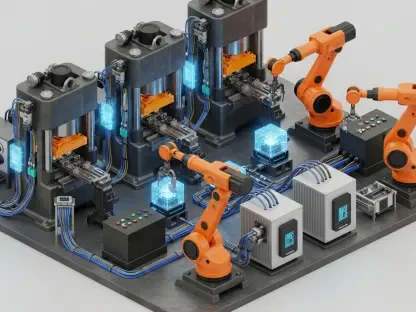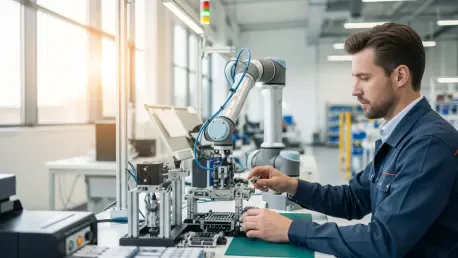

The relentless pursuit of efficiency that defined the previous decade is currently being replaced by a sophisticated model that places the human worker at the absolute center of the technological ecosystem. While the world spent years perfecting the dark factory—where machines operated in silence and isolation—the emergence of Industry 5.0 has reignited the importance of human intuition, creativity, and ethical judgment in the manufacturing process. This shift does not represent a retreat from technology; rather, it is a maturation of it, where artificial intelligence and robotics are no longer seen as replacements but as collaborative partners. Open-source tools have emerged as the primary catalyst for this change, offering the transparency and flexibility needed to integrate diverse systems. By providing a common language for developers and engineers, these platforms ensure that the transition toward a human-centric industrial model is not just a theoretical goal but a practical, scalable reality that benefits both the workforce and the global economy.
Redefining the Relationship Between Humans and Machines
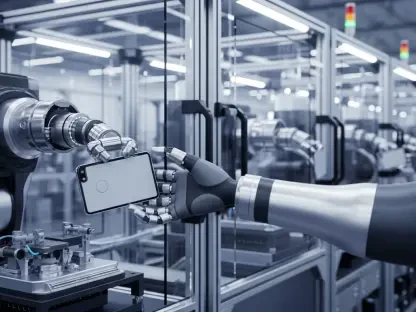
The transition from a purely automated environment to one that prioritizes human-centricity requires a fundamental redesign of how software interacts with physical hardware. In the earlier iterations of smart manufacturing, the human element was often viewed as a source of variability or error that needed to be minimized through rigid programming and closed-loop systems. Industry 5.0 reverses this logic by suggesting that human adaptability is the ultimate solution to the complexities of a volatile market. Open-source frameworks allow engineers to modify robotic behaviors in real-time, ensuring that machines can assist a worker’s specific physical needs rather than forcing the worker to adapt to the machine’s limitations. This creates a collaborative workspace where the precision of a robotic arm is governed by the nuanced decision-making of a skilled technician, leading to higher quality and safer operations.
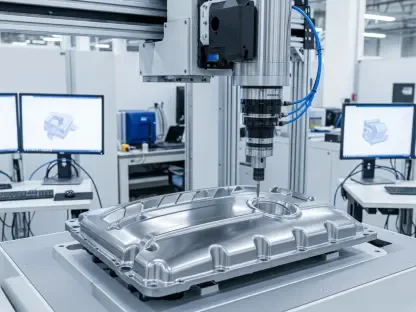
Building on this foundation of collaboration, the concept of mass customization has become the new standard for industrial excellence. Unlike the mass production models of the past, current systems must be capable of shifting production lines almost instantly to meet individual consumer demands or localized requirements. This level of agility is only possible when the underlying software is modular and transparent, which is why open-source repositories have become so vital. By utilizing shared codebases, companies can avoid the vendor lock-in that previously stifled innovation and limited the ability to integrate new, specialized tools. This openness fosters a culture of continuous improvement, where a breakthrough in worker safety or energy efficiency developed in one part of the world can be rapidly adapted and implemented across various industries, ensuring that progress remains a collective endeavor.
Economic Growth Through Sustainable Technological Pillars
The financial implications of this human-machine synergy are profound, with current market projections suggesting a compound annual growth rate of over 34% as we move toward 2032. This economic surge is not merely a result of increased output but stems from a more resilient approach to production that emphasizes sustainability and the circular economy. Digital twins, which are virtual representations of physical assets, play a critical role here by allowing operators to simulate entire production cycles before a single raw material is consumed. When these digital twins are built on open-source platforms, they become more accessible to small and medium-sized enterprises, democratizing the ability to optimize resources. This accessibility ensures that the benefits of high-tech manufacturing are distributed across the entire supply chain, rather than being concentrated within a few elite corporations.
Moreover, the integration of climate-adaptive farming and 5G-enabled factories highlights the diverse application of these industrial principles. By focusing on resilience, modern production systems are better equipped to handle global disruptions, such as supply chain bottlenecks or energy shortages. Open-source monitoring tools allow for real-time visibility into every stage of production, enabling human managers to make informed decisions that prioritize long-term stability over short-term gains. This approach naturally leads to a more ethical industrial landscape where social responsibility and environmental impact are treated as primary performance indicators. As companies align their profit motives with the well-being of their employees and the planet, they create a more sustainable economic model that is capable of thriving in an increasingly complex and interconnected world.
Driving Innovation with Collaborative Simulation Frameworks
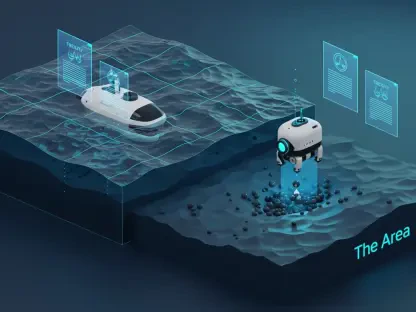
One of the most significant hurdles in modern manufacturing is the risk associated with testing new collaborative protocols in a live environment. Open-source simulation tools like Webots and Gazebo have solved this problem by providing high-fidelity virtual spaces where robots and humans can interact without any physical danger. These platforms allow developers to refine “zero-defect manufacturing” techniques, where every movement of a robotic agent is verified against safety standards before it ever reaches the factory floor. Because these tools are open-source, they benefit from the contributions of thousands of researchers who constantly update the physics engines and sensor models. This collective intelligence ensures that simulations are incredibly accurate, allowing for the seamless transfer of algorithms from the virtual world to real-world industrial applications.
In addition to simulation, the management of the Internet of Things has been revolutionized by platforms like OpenRemote, which simplify the complexities of data integration. These tools provide intuitive, drag-and-drop interfaces that allow non-programmers to design sophisticated automation rules, effectively putting the power of advanced technology back into the hands of the domain experts. Whether it is a floor manager optimizing the airflow in a pharmaceutical plant or a farmer managing an automated irrigation system, these interfaces bridge the gap between complex data and actionable insights. By lowering the technical barriers to entry, open-source frameworks empower a more diverse workforce to contribute to the innovation process. This inclusivity is a hallmark of the current industrial era, ensuring that the technology reflects the needs and values of the people who use it every day.
Establishing Trustworthy Artificial Intelligence Systems
For the vision of Industry 5.0 to be fully realized, the artificial intelligence guiding these systems must move away from the “black box” models of the past and toward a more explainable and transparent architecture. Open-source libraries such as TensorFlow and PyTorch have become the industry standards because they allow for the deep scrutiny and auditing required to ensure AI safety. When an AI provides decision support to a surgeon or a structural engineer, the human must understand the logic behind the machine’s recommendation. Open-source natural language processing models, like those hosted on Hugging Face, further enhance this relationship by allowing for more natural and precise communication between humans and machines. This transparency is essential for building the trust necessary for true collaborative intelligence, where the machine acts as a reliable agent.
This focus on explainability directly impacts the ability of the workforce to visualize and interpret complex industrial data streams. Tools like KNIME offer open-source data analytics pipelines that transform raw sensor data into clear, visual narratives that human operators can act upon. Instead of being overwhelmed by an endless stream of numbers, workers are presented with intuitive dashboards that highlight potential issues before they become critical failures. This shift from reactive maintenance to proactive, human-led oversight is a direct result of the transparency provided by open-source tools. By ensuring that data remains sovereign and secure, these platforms allow organizations to maintain high ethical standards while still leveraging the power of big data. The result is a more resilient and trustworthy industrial environment where human judgment remains the final authority in the decision-making process.
Strategic Implementation of Human-Centric Technologies
Transitioning to a fully integrated industrial environment requires a strategic focus on the modularity and interoperability of existing software assets. Organizations should prioritize the adoption of open-source middleware that can bridge the gap between legacy hardware and modern AI agents, ensuring that existing infrastructure is not discarded but rather enhanced. This process involves auditing current workflows to identify areas where human expertise is most valuable and then deploying collaborative tools like OpenRemote to support those specific tasks. By creating a feedback loop where operators can suggest improvements to the software they use, companies can foster an environment of continuous localized innovation. This bottom-up approach to technology adoption ensures that the tools are perfectly aligned with the practical realities of the production floor, leading to higher adoption rates and improved employee satisfaction.
Future considerations for the industrial sector must involve a commitment to lifelong learning and workforce development, as the roles of technicians and engineers continue to evolve. Investing in digital training platforms that utilize open-source simulation ensures that the workforce remains proficient in the latest collaborative techniques without requiring expensive proprietary licenses. Furthermore, companies should actively participate in the open-source communities that sustain their critical infrastructure, contributing code and insights back to the collective pool. This engagement not only secures the long-term viability of the tools but also positions the organization as a leader in the global movement toward a more ethical and sustainable industrial future. By embracing transparency and collaboration today, the industry was able to build a foundation that is resilient enough to handle any challenges that might arise in the coming decade.