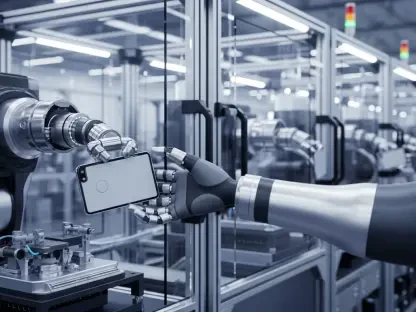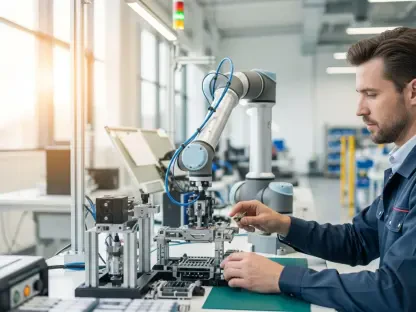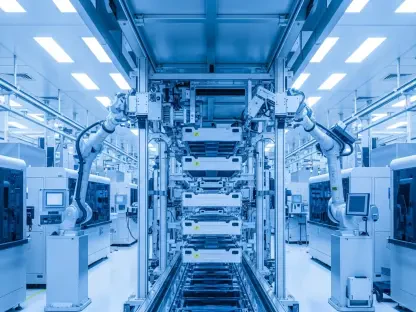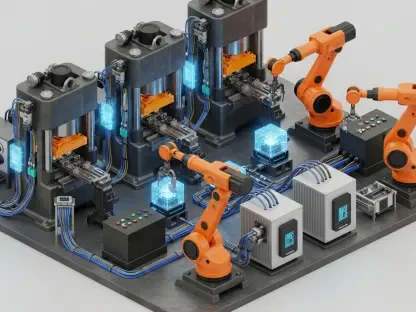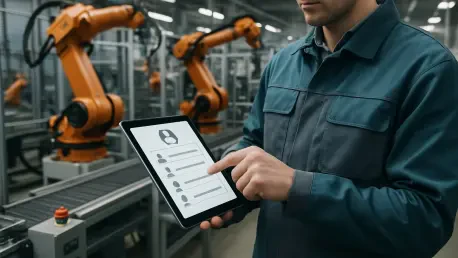

The seamless integration of robotics, data analytics, and interconnected systems defines the modern smart factory, yet this picture of technological sophistication is often disrupted by an administrative function still rooted in the past. While the production floor operates with precision and real-time efficiency, many human resources departments continue to manage the workforce with manual, paper-based processes. This fundamental disconnect creates an operational paradox where highly automated manufacturing is constrained by the slow pace and inherent risks of analog administrative workflows. This friction not only introduces the potential for costly errors and compliance violations but also causes significant delays that directly undermine the very productivity and agility smart factories are designed to achieve. When the management of human capital cannot match the speed of production, HR transforms from a support function into a significant and avoidable bottleneck.
Streamlining Foundational Processes From Onboarding to Payroll
The initial experience a new employee has with a company sets the tone for their entire tenure, but antiquated onboarding procedures frequently create a cumbersome and inefficient first impression. In the fast-paced manufacturing sector, especially during periods of expansion or high seasonal demand, the need for swift and effective hiring is paramount. Traditional onboarding, characterized by mountains of paperwork, manual document verification, and fragmented safety training forms, significantly prolongs a new hire’s “time-to-productivity.” The modern solution is a digital onboarding platform that centralizes all essential documentation, from tax forms and direct deposit information to safety policy acknowledgments and certification records. This allows new employees to complete all administrative requirements online before their first day. As a result, supervisors and trainers can immediately focus on practical, value-adding activities like on-the-floor training and equipment orientation, rather than chasing down missing paperwork. This streamlined process fosters stronger employee engagement from the outset and directly mitigates operational pressures such as overtime and staffing shortages.
The complexities inherent in smart factory compensation structures, which often include rotating shifts, multi-tiered overtime rates, and performance-based incentives, make manual payroll processing a high-risk activity. Reliance on manual calculations and disjointed recordkeeping methods dramatically increases the likelihood of errors, which can lead to serious compliance issues with labor laws and, just as importantly, erode employee trust. While integrated payroll systems can automate the core wage calculations, the generation of accurate and professional pay documentation for each cycle remains a critical HR responsibility. The implementation of digital tools to create compliant and detailed pay stubs becomes essential. These tools can securely and quickly produce clear documentation that accurately reflects variable hours and complex pay structures. The primary benefit of digitizing this crucial process is the cultivation of trust. When employees consistently receive accurate, transparent, and easy-to-understand pay records, their confidence in the organization strengthens, which is a fundamental component of a positive and productive work environment.
Enhancing Workforce Management and Safety
Precision scheduling is the operational heartbeat of a smart factory, as it is the key to preventing costly downtime and eliminating production bottlenecks before they occur. However, legacy systems such as manual time clocks and spreadsheet-based tracking are fundamentally inadequate for this dynamic environment. They offer limited visibility into workforce deployment and introduce significant delays in data availability, hindering timely decision-making. The digital alternative is an integrated time and attendance system that syncs directly with employee badge access controls, scheduling software, and even live production dashboards. This creates a real-time, continuous flow of information, providing supervisors with immediate insights into critical metrics like staffing levels, absenteeism trends, and overtime exposure. By leveraging this wealth of data, management can shift from reactive problem-solving to proactive, data-driven workforce management. This strategic alignment of labor with production needs allows the organization to effectively control costs while ensuring that demanding output targets are consistently met.
Smart factories operate with a sophisticated array of robotics, automated machinery, and complex systems that demand a highly skilled and properly certified workforce to ensure both safety and efficiency. Relying on manual tracking systems, such as spreadsheets or physical files, for employee certifications and safety training is fraught with unacceptable risk. In such systems, it is dangerously easy to miss crucial renewal deadlines for essential qualifications. This kind of oversight can lead to severe compliance violations, hefty fines from regulatory bodies like OSHA, and potentially catastrophic safety incidents on the factory floor. A digitized training management platform resolves this challenge by serving as a centralized, secure repository for all employee credentials, equipment qualifications, and safety acknowledgments. The system’s most powerful feature is its ability to send automated alerts to both managers and employees well in advance of certification expirations, thereby mitigating compliance risks. This real-time visibility into workforce skills empowers managers to assign tasks to qualified personnel without guesswork, enhancing both operational safety and production continuity.
Aligning Performance With Production and Compliance
The traditional annual performance review is an outdated model that is ill-suited to the dynamic and data-rich environment of a connected factory floor. A wealth of valuable performance data already exists within the factory’s operational systems, including detailed quality control reports, individual output metrics, and safety incident dashboards. The recommended modern approach is to implement a digitized performance management system that integrates this operational data directly into structured employee evaluations. This empowers managers to conduct more objective, data-backed conversations with employees, moving beyond subjective assessments to focus on measurable contributions. By aligning productivity results with personalized career development plans, organizations can foster a culture of transparency and accountability. This direct connection between HR performance tools and real-time production data not only clarifies expectations but also creates more visible pathways for internal mobility and targeted skill development, ensuring the workforce evolves with the technology.
In an intensely competitive labor market, the efficiency and clarity of benefits administration can be a key differentiator in employee retention. Managing benefits for a large, multi-shift workforce through paper-based systems is an immense administrative burden that often leads to employee confusion, costly enrollment errors, and a high volume of repetitive inquiries for the HR team. Digital benefits administration platforms provide an elegant self-service solution, allowing employees to compare plan options, complete enrollment, update dependent information, and review their coverage details from any device at their convenience. This model significantly reduces the administrative strain on HR personnel, freeing them to focus on more strategic initiatives. Furthermore, manufacturers are subject to a stringent and ever-evolving web of labor, tax, and workplace safety regulations. A digitized document management system that securely stores critical records like I-9s, W-4s, and payroll archives in a centralized, searchable database became the standard for demonstrating organizational diligence and minimizing disruption during audits. This proactive posture towards compliance protected the organization’s bottom line and its operational continuity.