
The intersection of higher education and industrial necessity has never been more critical than it is in the current economic climate of the American Southeast, where traditional manufacturing faces the relentless pressure of rapid technological evolution. Jacksonville State University has recently addressed this challenge by securing a landmark $10 million in federal earmarked funding, an initiative spearheaded by the office of Congressman Mike Rogers to fortify the regional workforce. This substantial financial injection is meticulously designed to transform the university into a premier destination for high-tech manufacturing expertise and advanced public safety training. By focusing on these two disparate yet equally vital sectors, the institution is positioning itself as the primary architect of economic stability for Alabama. The allocation serves as a strategic response to the growing demand for specialized technical skills that are often absent in the general labor market. Through this investment, Jax State is not merely expanding its physical footprint but is actively constructing a sustainable bridge between academic theory and the practical requirements of modern industry.
Revolutionizing the Manufacturing Sector
Advanced Facilities: A New Era of Technical Excellence
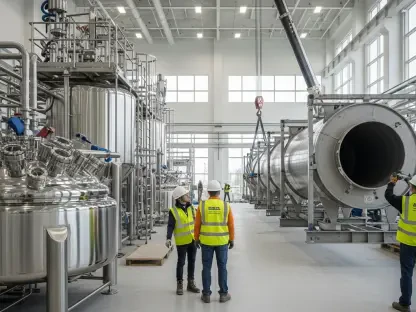
A significant portion of the federal grant, totaling approximately $8.5 million, is being channeled directly into the modernization of Alabama’s industrial infrastructure through the Center for Manufacturing Support and the Additive Manufacturing Training and Innovation Lab. These facilities are designed to serve as the bedrock for a new curriculum that prioritizes the mastery of sophisticated technologies such as metrology and reverse engineering. Metrology, the science of precision measurement, allows the university to provide unparalleled support to regional manufacturers who must maintain rigorous quality standards. By integrating these high-level technical processes into the educational framework, the university ensures that its facilities are more than just classrooms; they are functional industrial hubs. This environment enables the institution to assist local businesses in the digitization of legacy components, providing a lifeline for companies that rely on aging machinery that no longer receives support from original manufacturers.
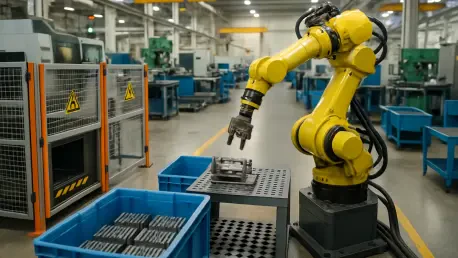
The practical application of this funding is most evident in the university’s ability to minimize industrial downtime by recreating obsolete or unsupported parts through advanced 3D printing and modeling techniques. This capability is essential for regional economic resilience, as it allows manufacturers to extend the operational lifespan of high-value equipment without the need for total system overhauls. The Additive Manufacturing Lab, which initially received a foundation of federal support in the previous year, is now expanding its scope to include comprehensive quality assurance protocols that mirror the highest industry standards. This growth ensures that the university remains at the forefront of the technological curve, offering a specialized suite of services that few other regional institutions can match. By acting as a technical consultant and service provider, Jax State is effectively de-risking the adoption of new technologies for local enterprises, fostering an atmosphere where innovation and traditional production can coexist and flourish together.
Bridging the Gap: Student Integration and Industry Success
The educational philosophy underpinning these new manufacturing initiatives is rooted in the belief that true technical proficiency is best acquired through direct engagement with real-world engineering challenges. Under the expert guidance of seasoned faculty members, students enrolled in the applied engineering programs are thrust into the center of active industry projects, where they utilize modern modeling tools to solve complex problems. This hands-on approach is designed to produce graduates who are not only familiar with the theoretical aspects of their field but are also highly competent in the use of industrial-grade hardware and software. By working on actual components for regional partners, students gain a unique perspective on the stakes of modern manufacturing, where precision and efficiency are the primary drivers of success. This methodology ensures that the transition from the university environment to the professional workforce is seamless, as students have already mastered the tools they will encounter in their future careers.
Furthermore, this collaborative model places a significant emphasis on the development of professional soft skills that are frequently cited as lacking by contemporary employers. Beyond the technical rigors of reverse engineering and quality control, students are required to manage projects, communicate effectively with industrial clients, and work within multidisciplinary teams to meet tight deadlines. These experiences cultivate a sense of accountability and professional maturity that is difficult to replicate in a traditional lecture-based setting. The university’s commitment to this holistic training approach ensures that its graduates are recognized as versatile assets who can contribute to an organization’s success from their first day on the job. By aligning the curriculum so closely with the needs of the private sector, Jax State is creating a self-sustaining ecosystem where academic excellence directly fuels regional industrial growth, providing a steady stream of talent to the companies that power the local economy.
Enhancing Public Safety and National Standards
National Outreach: Elevating Law Enforcement Training
The strategic allocation of $1.5 million to the Law Enforcement Training Center represents a fundamental shift in the university’s role as a provider of public safety education on a national scale. While the center has historically functioned as a vital resource for Alabama-based officers, this new influx of federal funding enables the program to expand its specialized training modules to agencies across the United States. This expansion is focused on the dissemination of modern best practices that address the increasingly complex nature of contemporary policing and community safety. By offering high-quality, practical training that reflects the current legal and social landscape, the university is positioning itself as a central authority in the field of public safety. The goal is to ensure that law enforcement professionals are equipped with the most effective techniques for de-escalation, forensic analysis, and crisis management, thereby improving the quality of interactions between police and the communities they serve.
This transition to a federally supported national service model allows the university to scale its impact far beyond the geographic boundaries of the Southeast. The training center is now capable of hosting a diverse range of officers from various jurisdictions, facilitating an exchange of ideas and strategies that enriches the overall educational experience. This collaborative environment encourages the adoption of standardized protocols that can enhance the professionalism and effectiveness of law enforcement agencies nationwide. By leveraging the expertise of its faculty and the specialized resources of the center, Jax State is playing a pivotal role in shaping the future of public safety education. The investment is a recognition of the university’s ability to deliver high-impact training that meets the rigorous demands of federal and state standards. As a result, the institution is not just training individuals; it is helping to establish a new benchmark for law enforcement excellence that prioritizes both officer safety and public accountability.
Strategic Collaboration: A Vision for Regional Stability
The successful acquisition of this funding is the result of a long-term collaborative effort between university leadership and federal representatives who share a common vision for regional prosperity. Congressman Mike Rogers and President Dr. Don Killingsworth have consistently advocated for an investment strategy that addresses the twin pillars of economic development: a highly skilled workforce and a safe, stable environment for citizens. This consensus reflects a deep understanding of the fact that industrial growth cannot be sustained without a corresponding focus on the social infrastructure that supports it. By securing these grants, the university is demonstrating its commitment to serving as a catalyst for transformative change, using federal resources to address the most pressing needs of the Third District of Alabama. This partnership underscores the importance of aligning academic research and training with the strategic goals of government and industry to create a more resilient regional economy.
Ultimately, this initiative is about more than just funding specific programs; it is about creating an integrated ecosystem where innovation in manufacturing and excellence in public safety work in tandem to foster societal well-being. The university’s leadership views this $10 million investment as a cornerstone of their long-term strategy to establish Northeast Alabama as a premier hub for technical and professional excellence. By providing the tools for industrial modernization and the training for enhanced public safety, Jax State is ensuring that the region remains competitive in an increasingly globalized world. The synergy between these two focus areas creates a powerful narrative of progress, where the university serves as the central engine for both economic and social advancement. This holistic approach to institutional growth ensures that every dollar invested yields maximum benefits for the students, the local industries, and the broader community, solidifying the university’s reputation as a leader in regional development.
Establishing Long-Term Regional Economic Resilience
The synthesis of these diverse initiatives revealed a unified strategy that prioritized long-term workforce readiness and the sustainable growth of the regional economy. By equipping graduates with the technical skills required for advanced manufacturing and expanding the reach of public safety training, the university established itself as a critical player in the national educational landscape. These efforts provided a necessary safety net for local industries facing the challenges of technological obsolescence while simultaneously raising the standard for professional training across the state. The integration of metrology and reverse engineering into the core curriculum allowed the institution to offer tangible solutions to complex industrial problems, fostering a culture of innovation that extended well beyond the campus. This multi-faceted approach ensured that the university remained an indispensable partner for both the private sector and public safety agencies, creating a foundation for continued prosperity.
Looking forward, the success of these programs necessitated a continued commitment to adapting academic offerings to the shifting demands of the global market. Stakeholders suggested that the next phase of development should involve deepening partnerships with emerging technology firms to ensure that the university’s facilities remained at the cutting edge of industrial trends. Additionally, the expansion of the law enforcement center provided a template for how other academic departments could leverage federal support to achieve national influence. Decision-makers emphasized the importance of maintaining the momentum generated by this $10 million investment through ongoing evaluation and the strategic pursuit of additional public-private collaborations. By staying focused on the dual goals of technical excellence and community safety, the institution prepared itself to navigate the complexities of the modern workforce while continuing to serve as a beacon of regional stability and economic progress.