
The global healthcare landscape is currently witnessing a transformative shift toward localized manufacturing hubs that can handle the extreme precision required for modern drug delivery mechanisms while maintaining the agility needed to respond to sudden market fluctuations. In Richfield, Wisconsin, MGS has addressed this demand by officially opening a state-of-the-art 300,000-square-foot facility designed to streamline the production of complex pharmaceutical devices. This massive investment serves as a dedicated hub for a global pharmaceutical partner, reinforcing the transition toward vertically integrated manufacturing models that prioritize reliability over fragmented supply chains. By situating this hub in the Midwest, the organization leverages a strategic geographic location to enhance distribution speed and operational oversight. The facility is not merely a production site but a specialized center where technical expertise and advanced logistics converge to support the life-saving therapies that patients depend on daily for chronic condition management.
Vertical Integration: Streamlining the Path to Patient Care
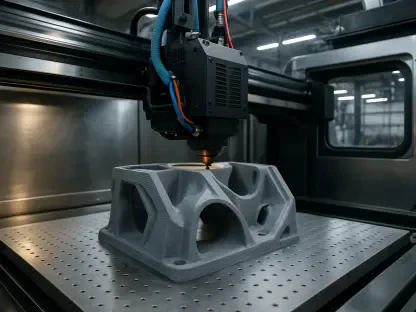
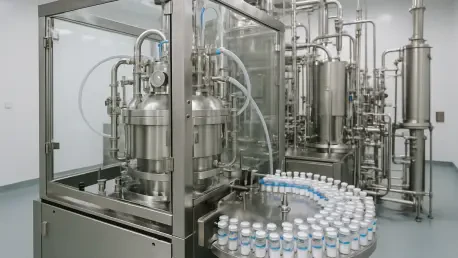
Vertical integration serves as the cornerstone of this new operational strategy, allowing the company to oversee every stage of the product lifecycle from initial design to final sterile assembly. The infrastructure is anchored by 140,000 square feet of Class 8 cleanrooms, providing a controlled environment essential for high-performance injection molding and precision assembly tasks. With over 100 injection molding machines and high-efficiency automated lines currently operational, the site provides a scalable framework that significantly reduces the time required to bring new delivery devices to market. This “single source” approach eliminates the common delays associated with multi-vendor coordination, which often complicates the development of sophisticated medical hardware. Consequently, the streamlined workflow ensures that quality control remains consistent across all components, mitigating the risks of defects or regulatory setbacks during the high-volume manufacturing phases.
Economic Impact: Strengthening the Regional Healthcare Infrastructure
Beyond the immediate technical achievements, the expansion catalyzed significant economic growth by creating approximately 300 new professional roles in specialized engineering and precision maintenance. These positions, slated for completion by early 2027, established a robust talent pipeline that strengthened the regional workforce while fostering high-quality career pathways in the medical technology sector. Stakeholders recognized that the two-phase development plan, which aimed to double production capacity in the coming years, provided a clear roadmap for long-term scalability. Industry leaders observed that the success of such localized hubs relied on deep collaboration between manufacturers and pharmaceutical innovators to anticipate future device requirements. Looking ahead, enterprises should prioritize investing in modular facility designs that can adapt to changing regulatory standards and emerging drug delivery formats. This project demonstrated that modernizing the manufacturing footprint was a necessary step toward ensuring global health security and supply chain resilience.