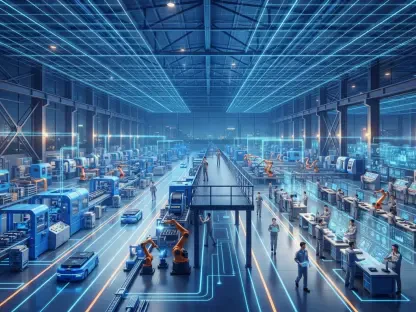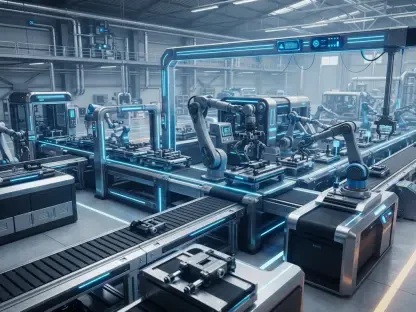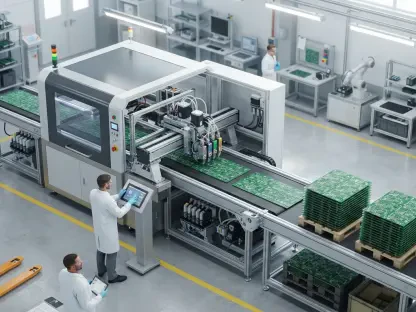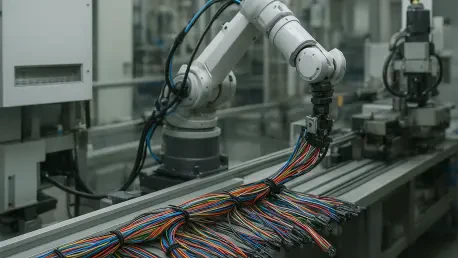

The steady hum of high-precision robotic arms in Bristol now signals a definitive departure from the era of slow-moving foundries and antiquated metallurgical techniques. This transformation, beginning eighteen months ago, turned a localized startup venture into a high-octane production hub that
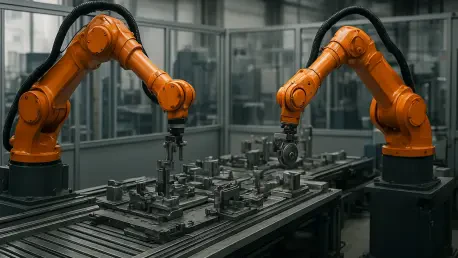
The sudden transition from proprietary silos to open-source foundational software is currently fundamentally restructuring the global industrial robotics landscape through the release of the Intrinsic Core platform. This pivot by Alphabet’s robotics arm represents a calculated effort to lower the

The biological clock presents a significant constraint, as developers aim to shorten the turnaround time from initial biopsy to the first dose to a window of just six to eight weeks. This urgency stems from the clinical reality that patients eligible for these personalized therapies often face

Embedding artificial intelligence directly into manufacturing hardware digitizes the nuanced skill sets of master technicians to ensure operational continuity despite a tightening labor market. As the South Korean industrial sector navigates a profound demographic shift, the integration of these
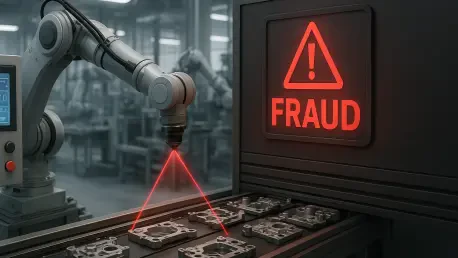
The manufacturing sector’s rapid digital transformation has birthed a sophisticated technological paradox where operational efficiency meets an unprecedented and invisible vulnerability. As enterprises transition to fully integrated digital ecosystems, the traditional safeguards of the physical

UBTECH has pivoted its Walker S series toward automotive assembly and quality inspection, resulting in a 2,203% revenue increase for its full-size humanoid robots. This dramatic surge in industrial application reflects a broader seismic shift within the global robotics landscape, where the previous