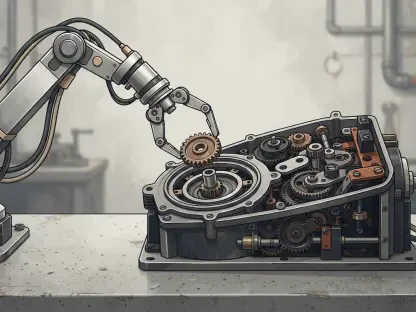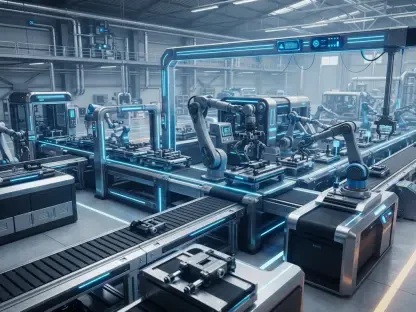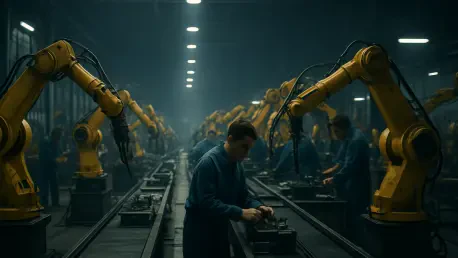

Machines that once merely screamed for help when breaking down have finally learned to diagnose their own ailments and perform surgery on their own control circuits without needing a human hand to guide the scalpel. This transformation marks the definitive end of the "dashboard era," where

The global additive manufacturing sector has reached a critical inflection point as hardware revenues soared by a staggering 31 percent year-on-year during the second quarter of 2026, signaling a definitive transition from prototyping to mass-scale industrial production. This rapid financial

Large-format additive manufacturing is being integrated into local infrastructure to serve the growing natural resource, tourism, and industrial sectors of the region. This transition is spearheaded by the Greenland Arctic Development Corp (GADC) through a strategic collaboration with Caracol, an
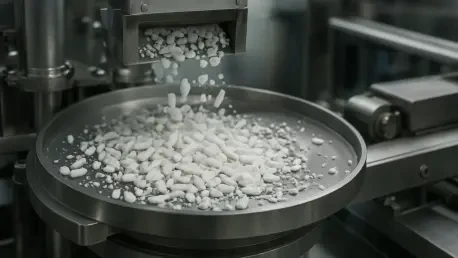
Initial development for GEA's predictive intelligence tools is focused on continuous processing lines with future plans to expand to batch equipment. This strategic focus highlights a broader industry shift as pharmaceutical manufacturers move away from isolated, manual operations toward fully

The high-volume glass manufacturing sector currently involves an intricate dance where extreme furnace temperatures and constant output must meet the shifting requirements of a volatile global market. Managing the delicate balance between inventory targets and long production cycles is a core

Poland remains the largest furniture employer in Europe with 187,000 workers, yet a 9.5 percent reduction in its workforce has become a primary driver of regional decline. This significant contraction is emblematic of a broader struggle across the continent, where manufacturers are grappling with