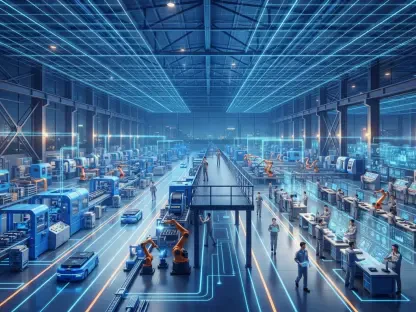
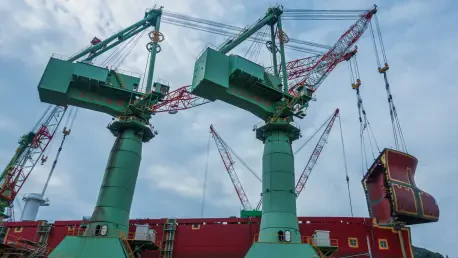
The integration of intelligent technologies into physical manufacturing processes represents a new frontier in the competition for global maritime leadership. As the maritime sector undergoes a massive digital overhaul, Italian shipbuilding titan Fincantieri is spearheading a movement to redefine
IFS Intelligence aims to dismantle systemic barriers to productivity by unifying fragmented enterprise data into a single, conversational interface for human and digital workers. At the annual Unleashed conference in Orlando, Florida, the industrial sector faced a sobering reality check regarding

The Norwegian Army is currently operationalizing digital warehousing to replace physical inventory with on-demand 3D printing capabilities for its allied production networks. This strategic pivot reflects a broader industry-wide transition where additive manufacturing has moved beyond rapid

Institutional investors recently backed PTC Industries at a price of 21,060 rupees per share to fund the expansion of its Advanced Manufacturing and Technology Centre. This massive capital infusion signals a significant turning point for the domestic aerospace sector, especially as the company

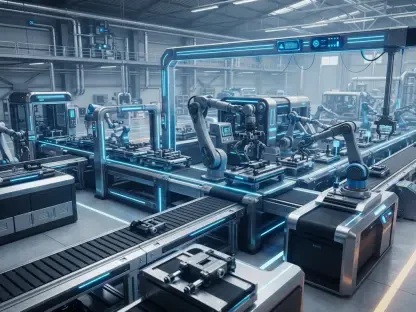
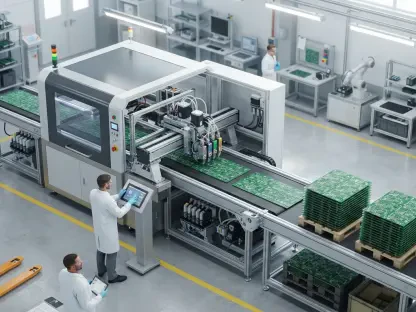
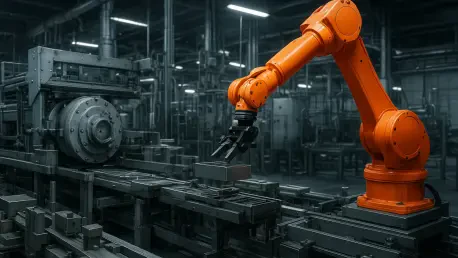
Intel is positioning its latest processors to handle the complex task synchronization required for humanoid robots to perform delicate object manipulation in factories. This ambition represents a fundamental shift in the global semiconductor landscape, moving away from a primary focus on digital

The global shift toward sustainable energy has reached a critical inflection point where traditional manufacturing methods no longer suffice to meet the staggering demand for utility-scale wind infrastructure. Suzlon Energy has responded to this challenge by initiating a massive strategic pivot,