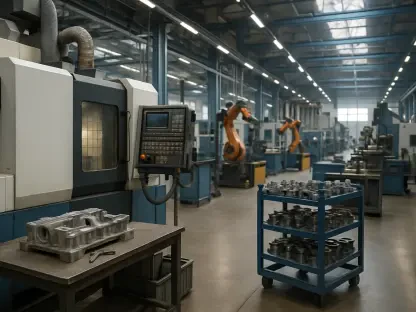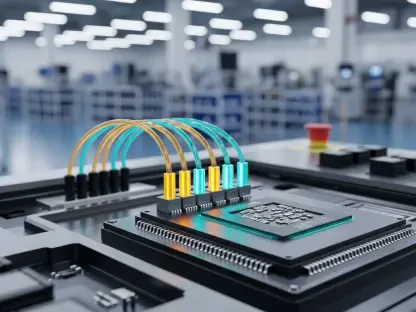
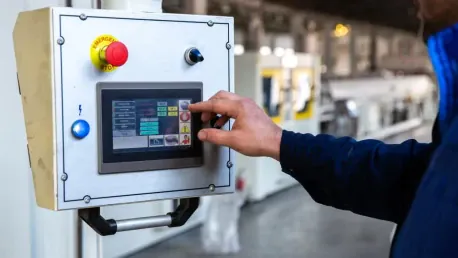
The CNC (Computer Numerical Control) machine market is anticipated to see remarkable expansion, projected to rise from USD 101.01 billion in 2023 to USD 152.9 billion by 2030, growing at a Compound Annual Growth Rate (CAGR) of 6.1%. Such growth is driven by increasing automation and precision
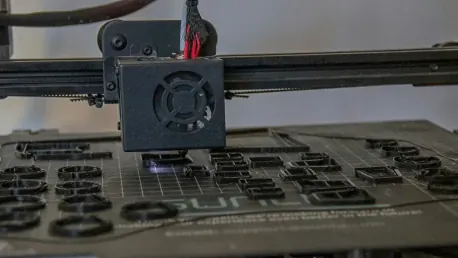
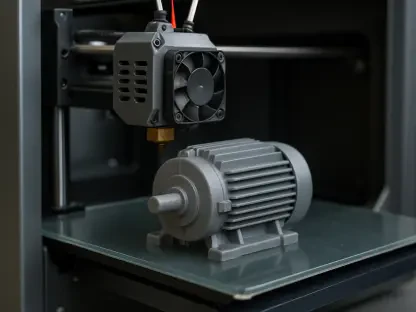
Additive manufacturing (AM), also known as 3D printing, is poised to undergo a significant transformation with the integration of artificial intelligence (AI). This synergy promises not only to address existing manufacturing inefficiencies but also to advance sustainable, low-carbon production
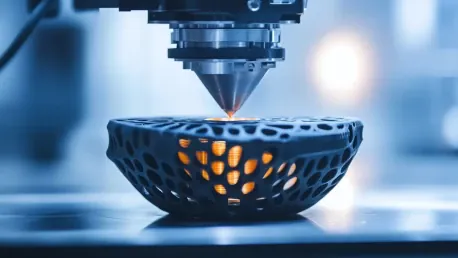
In recent years, the aerospace industry has been pushing the boundaries of technology to achieve hypersonic flight capabilities. However, achieving these milestones comes with its own set of challenges, particularly in materials engineering. The extreme conditions experienced during hypersonic

The industrial sector is wrestling with a critical issue as seasoned professionals retire, taking with them decades of valuable operational technology (OT) expertise. This phenomenon, known as industrial "brain drain," is causing significant disruptions, especially in the manufacturing industry.
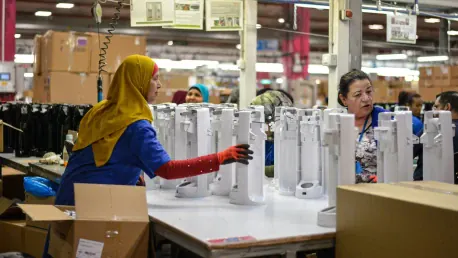
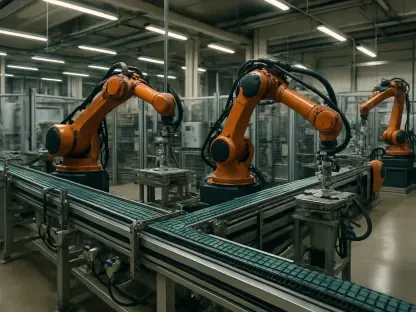
The garment industry is a cornerstone of Bangladesh’s economy, contributing significantly to the country's exports. However, the rise of automation and surveillance technologies in garment factories has sparked debate over their impact on workers' lives, particularly women. This article explores

In the world of manufacturing, the inability to quickly replace parts of complex machinery often leads to costly production delays, causing significant financial losses. Backflip AI has developed groundbreaking 3D parts-scanning technology aimed at mitigating these delays by automating the creation