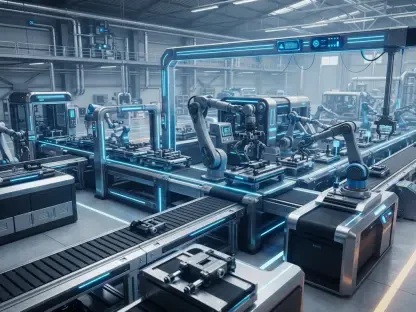
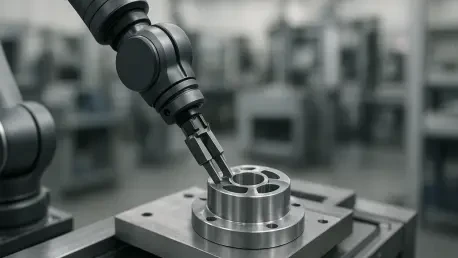
As traditional industrial robots struggle with rigid programming, Walden Robotics is developing machines that can adapt to changing factory floor conditions. For decades, the manufacturing sector relied on automation that performed with clockwork precision but lacked any inherent capacity to handle

Imagine the overwhelming silence that follows a diagnosis when a cardiologist explains that a newborn’s heart, an organ barely the size of a walnut, possesses structural defects that require immediate surgical intervention. For thousands of families across Australia and beyond, this moment marks
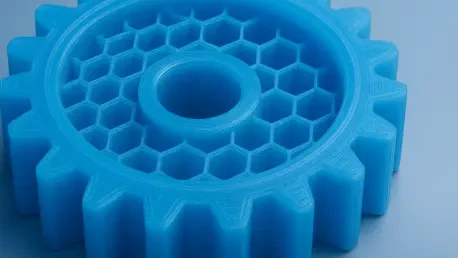
The decision to use specific infill patterns allows practitioners to engineer the internal characteristics of an object to meet high-impact resistance or weight-bearing requirements. In the current landscape of Fused Deposition Modeling, these internal structures act as the invisible backbone of
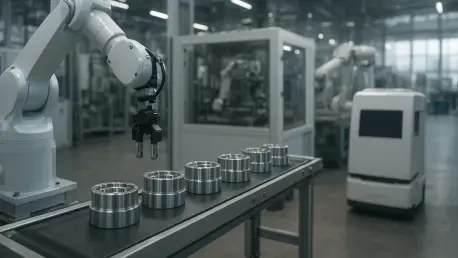
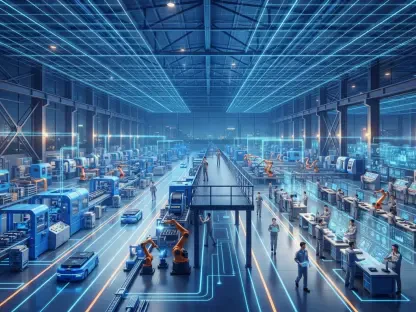
As machines take over repetitive monitoring tasks, the human role on the factory floor is evolving into one of high-level analysis and strategic decision-making. The contemporary industrial landscape is undergoing a radical shift, moving away from simple automation toward complex autonomous systems
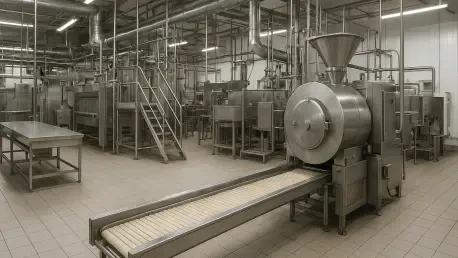
Industry experts view the adoption of mobile sensors as a foundational step toward the broader implementation of fully autonomous industrial maintenance systems. At high-volume processing plants, the demand for consistent uptime has reached a critical threshold, pushing facilities like Cargill’s
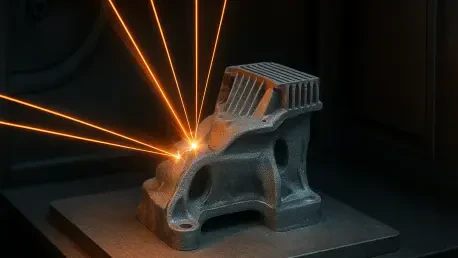
The rapid transition from experimental prototyping toward high-volume industrial output has fundamentally altered the landscape of metal additive manufacturing by demanding unprecedented levels of speed and precision. Traditional single-laser systems often struggle to meet the throughput