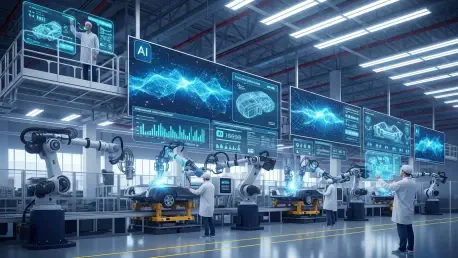

The traditional factory floor is no longer a silent grid of mechanical repetition; it has evolved into a living ecosystem where digital intelligence dictates the rhythm of physical production. This profound shift toward Industrial AI marks a departure from basic automation, signaling a period where machines possess the cognitive capacity to optimize their own performance. As manufacturers struggle with rising energy costs and labor shortages, the integration of advanced neural networks into heavy machinery has moved from a theoretical luxury to a competitive necessity.
This transformation is best exemplified by the recent strategic alliance between Siemens and Alibaba. By merging high-end industrial engineering with massive cloud computing power, these giants are creating a blueprint for the future of global production. Their collaboration highlights a pivotal trend: the transition from isolated automated tools to a unified technology stack that governs everything from initial design to final quality checks. This article examines the data driving this change, the role of the Siemens-Alibaba partnership, and the inevitable rise of agentic systems in the factory environment.
The Convergence of Cloud Infrastructure and Factory Automation
Data-Driven Growth and Adoption Statistics
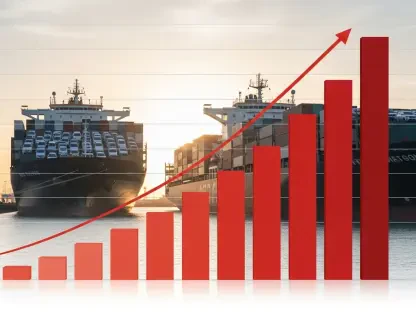
Market dynamics reveal a sector on the cusp of an explosive technological breakout. While recent industry reports indicated that only a small fraction of manufacturers had fully integrated generative AI into their workflows, the tide is turning rapidly. Current projections suggest that by the end of this decade, adoption rates will quadruple as companies move past the experimental phase. The Siemens Xcelerator platform is central to this movement, functioning as a scalable operating system that allows even mid-sized enterprises to deploy sophisticated AI models without rebuilding their entire infrastructure.
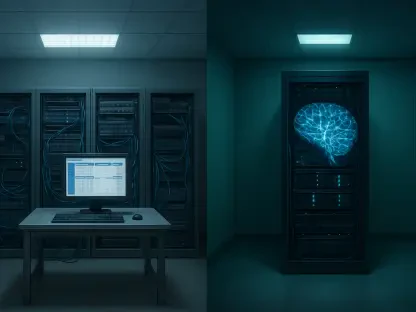
This surge in demand is fueled by the need for “industrial brains”—advanced programmable logic controllers (PLCs) that handle more than just simple logic. Modern factories now require controllers with expanded memory and high-speed processing capabilities to manage real-time data streams. As these devices become more powerful, they bridge the gap between the physical plant and the digital cloud, ensuring that every movement on the assembly line is backed by massive computational insights.
Real-World Applications: Siemens and Alibaba Case Study
The partnership between Siemens and Alibaba has already yielded twenty-six distinct automation technologies that redefine industrial decision-making. By migrating simulation software and computer-aided engineering tools to the Alibaba Cloud, the duo has drastically reduced the latency between design and execution. This infrastructure allows engineers to run complex “what-if” scenarios in a virtual environment before a single piece of metal is cut.
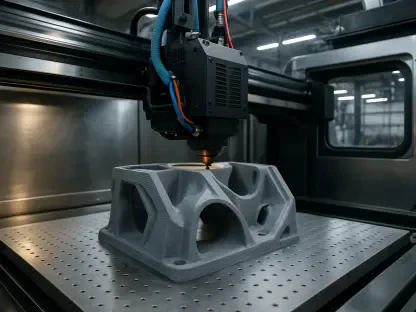
Hardware integration remains the backbone of this digital evolution. The deployment of compact servo systems and predictive maintenance tools ensures that the digital instructions from the cloud are translated into precise robotic movements. These systems do more than just move parts; they monitor their own health, using AI to predict mechanical failures before they occur. This proactive approach minimizes downtime and ensures that the factory operates at peak efficiency around the clock.
Expert Perspectives on the Integrated Technology Stack
Industry leaders, including Roland Busch, argue that the true power of AI cannot be realized through isolated models or fragmented software. Instead, successful digital transformation requires a complete, integrated technology stack where hardware and software exist in a continuous feedback loop. This perspective shifts the focus away from “AI for AI’s sake” toward a practical application where large language models, such as Alibaba’s Qwen, are embedded directly into product lifecycle management tools.
The strategic importance of this integration lies in its ability to simplify complex engineering workflows. When a design engineer can use a natural language interface to query a machine’s performance history or suggest design improvements, the barrier to innovation drops significantly. Such collaborative ecosystems are essential for scaling AI from a laboratory setting to the high-stakes environment of real-world production, where reliability is the primary currency.
Future Implications: Toward Agentic AI and Virtual Factories
The next phase of this evolution involves the rise of “Agentic AI,” where systems operate with a high degree of autonomy to manage production planning and quality assurance. Unlike traditional automation, these agents can adapt to changing variables—such as a sudden shortage of raw materials or a shift in energy prices—without human intervention. This move toward self-correcting factories represents the pinnacle of digital-physical integration, turning manufacturing into a dynamic, responsive process.
Furthermore, the proliferation of virtual simulation appliances is set to revolutionize prototyping. By creating high-fidelity digital twins in the cloud, manufacturers can bypass expensive physical trials, significantly reducing the cost of bringing new products to market. While challenges like data unification and global hardware scaling remain, the path forward is clear. The synergy between cloud leaders and industrial giants is redefining the factory floor, moving the industry toward a model of high-quality growth that captures previously untapped revenue streams.
The Road Map for Digital-Physical Integration
The shift toward unified industrial operating systems has fundamentally altered how global production is managed and scaled. By breaking down the silos between data science and mechanical engineering, the industry moved toward a more resilient and flexible framework. This journey demonstrated that the success of smart manufacturing depended less on individual gadgets and more on the strength of collaborative ecosystems that prioritized seamless integration. Leaders who embraced these integrated stacks found themselves at the forefront of a new industrial age. Moving forward, the focus must remain on harmonizing human expertise with autonomous agents to ensure that the global factory floor remains both efficient and sustainable.