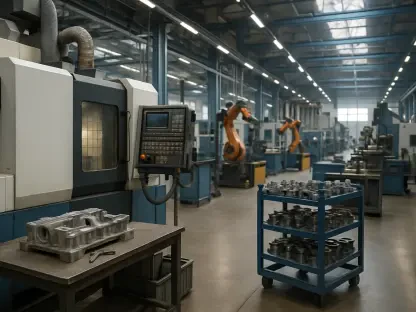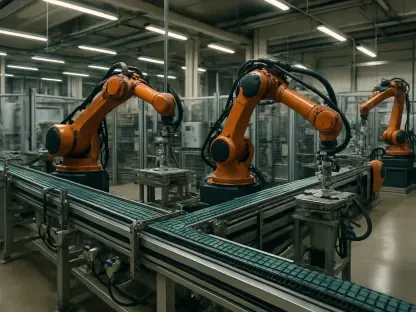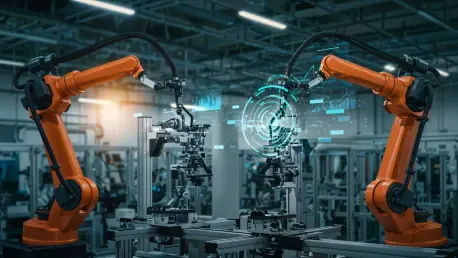

Modern manufacturing facilities and utility grids are undergoing a radical metamorphosis as heavy machinery once considered purely mechanical becomes intrinsically linked to digital intelligence through embedded sensors and advanced software. This shift defines the Industrial Internet of Things (IIoT), a specialized discipline that prioritizes the rigorous demands of high-stakes environments where precision is non-negotiable and system failure can lead to catastrophic economic or physical consequences. Unlike consumer-oriented technology, which often emphasizes user convenience or lifestyle integration, IIoT focuses on the digital transformation of physical operations, turning massive production lines and power distribution networks into data-generating assets. This convergence is the primary engine behind the current state of Industry 4.0, fostering smart industrial ecosystems that are fundamentally more resilient, transparent, and efficient than the isolated systems of the past decade.
By functioning as a vital link between Operational Technology (OT) and Information Technology (IT), IIoT bridges the gap between hardware used to control equipment and the software used for enterprise data processing. Historically, these two domains existed in silos, with maintenance crews and IT departments rarely sharing the same data streams or objectives. Today, harmonizing these worlds allows businesses to move beyond simple connectivity, establishing a framework where real-time operational metrics directly inform high-level strategic planning and long-term investment. This integration ensures that every mechanical action on a factory floor is captured, analyzed, and leveraged to provide a comprehensive view of organizational health. Consequently, decision-makers are no longer forced to rely on historical averages or guesswork; they instead utilize a continuous flow of high-fidelity data to drive agility in a competitive global market.
Examining the Multi-Layered Architecture of IIoT
The effectiveness of any modern industrial network relies on a structured, multi-layered architecture that facilitates the seamless flow of information from the physical source to the digital analyst. This process begins at the device layer, where specialized hardware such as acoustic sensors, thermal imagers, and precision actuators capture vital metrics from the heart of the industrial process. These smart assets act as the primary sensory organs of the entire network, gathering raw data on variables like pressure, vibration, and chemical composition. Without this foundational layer, the digital ecosystem would lack a baseline reality, rendering advanced analytics useless. These components must be durable enough to withstand extreme temperatures, corrosive environments, and constant mechanical stress while maintaining the high degree of accuracy required for industrial-grade monitoring and automated control.
Once data is captured by the hardware, the connectivity and edge computing layers dictate how that information is moved and refined before reaching the central system. High-speed wired connections such as industrial Ethernet often work in tandem with versatile wireless solutions, including 5G and private cellular networks, to ensure data reaches its destination even from remote mining sites or sprawling offshore platforms. To prevent the latency delays that could cause a critical system failure, edge computing processes this data locally at the source. By filtering out “noise” and making immediate decisions—such as triggering an emergency shutdown of a malfunctioning turbine—the edge layer reduces the burden on central servers and ensures safety. Finally, the cloud and application layer aggregates this refined data, using machine learning algorithms to create digital twins that simulate entire workflows and predict future performance with uncanny precision.
Standards, Interoperability, and Security Frameworks
A persistent hurdle in the industrial sector remains the presence of “patchwork” environments containing a mix of legacy equipment and cutting-edge machinery from various manufacturers. To overcome the resulting technical fragmentation, the industry has gravitated toward standardized communication protocols such as Message Queuing Telemetry Transport (MQTT) and Open Platform Communications Unified Architecture (OPC UA). These standards are essential because they provide a common language for diverse machines, enabling a level of plug-and-play interoperability that was previously impossible. Without these shared frameworks, scaling an IIoT solution across a global enterprise would involve an unsustainable amount of custom coding and manual integration. By adopting unified standards, organizations can ensure that a sensor produced in one region can seamlessly communicate with a management console located on a different continent.
As industrial assets become increasingly connected to the internet, the potential for sophisticated cyberattacks has grown, leading to a shift in how critical infrastructure is protected. The traditional strategy of “air-gapping” or isolating networks is no longer feasible in an era where data must flow freely for optimization. In response, modern organizations are implementing Zero-Trust architectures, a security model where every user, device, and data packet must be continuously verified regardless of its location within the network. This rigorous approach involves multi-factor authentication, end-to-end encryption, and real-time anomaly detection to identify suspicious behavior before it can impact physical operations. Establishing a robust security posture is not merely a defensive measure; it is a prerequisite for innovation, allowing companies to embrace the benefits of connectivity without exposing their most valuable physical assets to external threats.
Practical Applications for Operational Efficiency
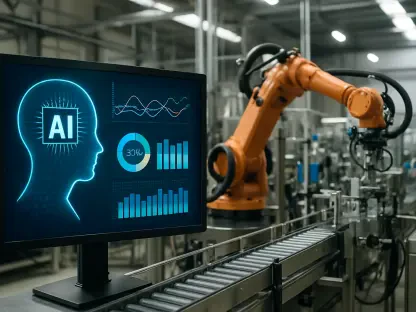
The true strategic value of IIoT is realized through high-impact use cases that streamline operations and significantly reduce overhead costs. Predictive maintenance has emerged as one of the most prominent applications, moving companies away from reactive repairs and toward a model that identifies potential failures before they manifest. By monitoring the specific “health” indicators of a machine in real time, systems can detect subtle deviations in vibration or heat that signal impending wear. This allows maintenance teams to schedule repairs during planned downtime, effectively avoiding the massive expenses associated with unexpected equipment failure and the subsequent loss of production. This proactive stance transforms maintenance from a necessary cost center into a strategic tool for maximizing the lifespan of expensive capital equipment and ensuring consistent output.
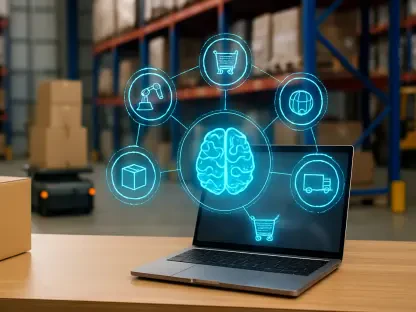
Beyond the maintenance of individual machines, IIoT enhances the overall fluid dynamics of logistics and resource management by providing total visibility into the entire supply chain. Sensors attached to raw materials and finished goods track their location and condition in real time, ensuring that production lines never stall due to missing parts or damaged inventory. Furthermore, these systems monitor energy consumption patterns to identify areas of waste, such as machinery running at full power during idle periods. By optimizing utility usage, facilities can lower their operational costs while simultaneously meeting increasingly strict sustainability goals. In hazardous sectors like mining or chemical processing, IIoT also serves as a critical safety net; wearable sensors monitor worker vitals and detect the presence of environmental toxins, providing an automated layer of protection that significantly reduces the risk of workplace accidents.
Overcoming Implementation Barriers and Future Trends
Despite the clear strategic advantages of a connected enterprise, many organizations face significant obstacles when attempting to deploy IIoT solutions at a global scale. Legacy systems represent a major challenge, as retrofitting decades-old machinery with modern sensors is often both technically complex and financially burdensome. Furthermore, there is a notable talent gap in the workforce that creates a bottleneck for digital transformation; companies increasingly require professionals who possess a deep understanding of both traditional industrial mechanics and modern data science. Navigating these cultural and technical hurdles requires a shift in organizational mindset, moving away from short-term pilot programs toward a comprehensive long-term strategy that addresses the training needs of employees and the gradual replacement or upgrading of aging physical infrastructure.
Looking toward the immediate future, the evolution of IIoT will be defined by even faster connectivity and the rise of more autonomous, self-correcting systems. The rollout of 5G has already begun providing the low latency and high device density required for massive automation, while the integration of “Edge AI” allows machines to make complex decisions on their own in milliseconds without human intervention. As these technologies mature, the concept of the digital twin will evolve from a static visual model into a living, breathing simulation that reacts to real-world data in real time. This progress ensures that IIoT remains a requirement for survival in the global economy, offering the agility and data-driven precision needed to outpace competitors. Organizations should now focus on establishing clear data governance policies and investing in scalable infrastructure to ensure they can fully capitalize on these emerging capabilities as they become standard across the industry.
The journey toward a fully integrated industrial environment necessitated a shift from isolated mechanical processes to a unified, data-driven ecosystem. In the preceding years, the focus remained on simply establishing connectivity, yet the industry has now moved into a phase where the primary objective is the extraction of actionable intelligence. Leading organizations successfully navigated the complexities of legacy integration and cybersecurity by prioritizing standardization and a zero-trust mindset. These efforts resulted in tangible gains, such as a significant reduction in unplanned downtime and a more transparent supply chain that proved resilient during global fluctuations. By treating data as a high-value asset rather than a byproduct of production, these companies secured a competitive edge that reshaped the expectations for modern industrial performance. Moving forward, the emphasis shifted toward refining autonomous decision-making and leveraging edge computing to handle the massive influx of information without overwhelming central systems. This transition confirmed that digital intelligence was no longer an experimental feature but the very foundation of industrial survival.