
The modern manufacturing floor, a landscape brimming with autonomous robotics, AI-driven analytics, and intricate cyber-physical systems, bears little resemblance to the assembly lines of the past, yet a persistent and damaging perception gap threatens to stall its progress. This disconnect between the industry’s high-tech reality and its outdated public image as a low-skill sector is creating a critical talent crisis. As manufacturing evolves into one of the most technologically advanced environments in any industry, it finds itself at a pivotal crossroads. The challenge is no longer about just making things, but about attracting, training, and retaining a new generation of workers who can thrive in a world where data is as crucial as steel and software proficiency is as vital as mechanical skill. The path forward requires a fundamental shift not only in how companies operate but in how society, educators, and potential employees view the very essence of making things in the 21st century. Successfully navigating this transition will determine which economies lead the next industrial revolution and which are left behind.
The Perception Problem and the Tech Revolution
Bridging the Perception Gap
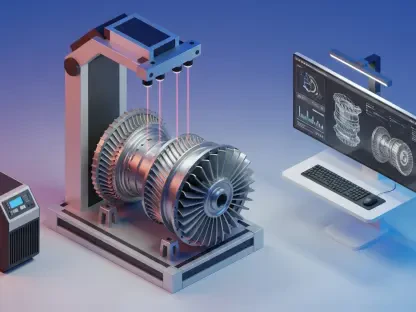
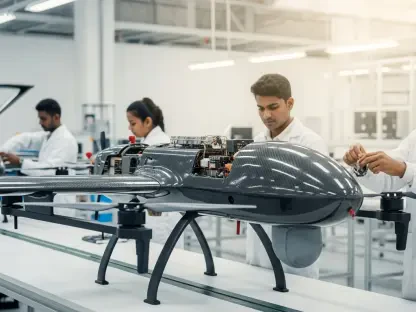
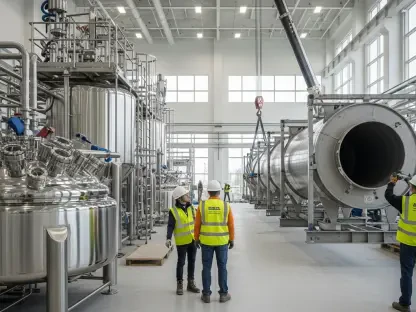
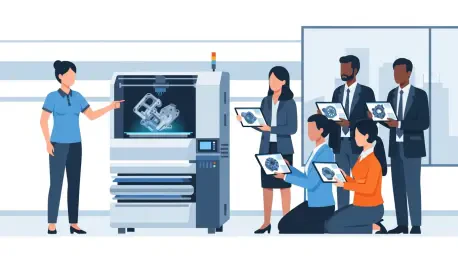
The persistent myth of manufacturing as a field of repetitive, manual labor is one of the most significant barriers to attracting top-tier talent. Experts like Thomas Kurfess from the Georgia Tech Manufacturing Institute emphasize that contemporary factories are sophisticated ecosystems, rich with robotics and data-driven processes that demand advanced skills. The reality is that these facilities are clean, safe, and at the forefront of technological innovation. To dismantle this outdated narrative, a concerted effort is needed to showcase the sector’s true nature. Pinar Keskinocak advocates for immersive experiences, such as facility tours for students, parents, and educators, to provide a firsthand look at the dynamic work environment. Seeing AI-powered automation optimizing production lines, watching 3D printers create complex components from digital files, and understanding how data analytics prevent equipment failures can powerfully reframe manufacturing as a hub of innovation. This direct exposure is critical to demonstrating that a career in modern manufacturing is a career in applied technology, offering intellectual challenges and opportunities for growth.
The accelerating shift toward green technology is a primary catalyst for manufacturing’s digital transformation, fundamentally reshaping both its processes and its workforce requirements. Industries centered around electric vehicles, solar panels, and wind turbines are not simply adapting to digital technology; they are being built with it from their inception. These new sectors integrate automation, advanced sensing systems, and data analytics into their core operations, creating an unprecedented convergence of operational technology (OT) and information technology (IT). This fusion means that the traditional silos between the factory floor and the data center are dissolving. As Nagi Gebraeel predicts, this trend will likely redefine leadership within the industry. Future executives are more likely to emerge from backgrounds in data science and operations management rather than from conventional IT roles, as the ability to interpret and leverage operational data becomes the most critical driver of efficiency, innovation, and competitive advantage in this new industrial landscape.
The Growing Skills Mismatch
This rapid technological evolution has exposed a profound “demand-supply mismatch” in the labor market, creating a significant hurdle for growth. According to Manpreet Hora of the Scheller College of Business, the industry now requires a sophisticated blend of competencies that the current talent pipeline is ill-equipped to provide. Modern manufacturing roles demand not only technical proficiency in engineering and mechanics but also a high degree of digital fluency, including skills in data analysis, cybersecurity, and software development. Furthermore, soft skills such as critical thinking, collaborative problem-solving, and adaptability have become paramount in an environment of constant change. The struggle to find candidates possessing this hybrid skill set is intensifying as manufacturing must now compete directly with the tech sector, finance, and other industries for the same pool of young, digitally-native talent. Without a proactive strategy to address this gap, companies risk falling behind in innovation and productivity as they are unable to staff their advanced facilities effectively.
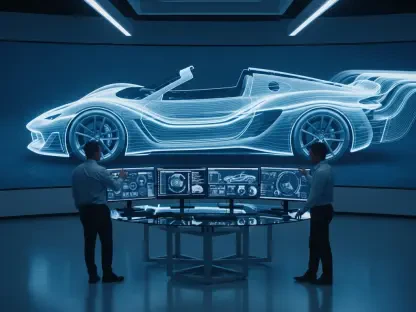
To win the war for talent, manufacturing companies must aggressively reposition themselves as “employers of choice” in a crowded and competitive marketplace. This requires more than just offering competitive salaries; it necessitates a cultural and strategic transformation. Firms must make their technological sophistication a visible and central part of their brand identity, showcasing their use of AI, robotics, and digital twins in their recruitment materials and public communications. Crucially, they need to articulate clear and compelling career progression pathways that demonstrate opportunities for advancement and skill development. Offering flexible learning options, such as modular training programs and partnerships with educational institutions, can also be a powerful draw. By investing in a culture of continuous learning and making it clear that a job in manufacturing is a gateway to a long-term, high-impact career, companies can begin to shift perceptions and attract the diverse, skilled workforce they need to thrive in the digital age.
Forging a New Path Forward
Reimagining Education and Training
Addressing the workforce crisis in manufacturing demands a systemic overhaul of the educational pipeline, starting from the earliest stages of learning and extending throughout a professional’s career. Experts are unanimous in their call for a radical rethinking of how we prepare students for the modern industrial landscape. This vision includes introducing foundational manufacturing concepts and design thinking in elementary and middle school to spark early interest and demystify the field. At the higher education level, curricula must evolve to integrate AI, data science, and sustainability principles directly into engineering and business programs, breaking down traditional academic silos. Furthermore, the pace of technological change necessitates a move toward a model of lifelong learning. The development of modular micro-credentials and industry-recognized certifications offers a flexible and accessible way for the existing workforce to continuously upskill and adapt to new tools and processes, ensuring their skills remain relevant and valuable throughout their careers.
The new educational paradigm must be deeply rooted in hands-on, experiential learning that mirrors the reality of today’s AI-enabled and interconnected manufacturing environments. Theoretical classroom instruction alone is no longer sufficient. Future workers need to be trained in environments that simulate the cyber-physical systems they will encounter on the job, where they can learn to manage and optimize processes that seamlessly blend physical machinery with digital intelligence. Training programs must emphasize sustainability-focused operations, preparing employees to work with new materials, reduce waste, and improve energy efficiency in line with growing global demands. This shift requires a closer collaboration between industry and academia to ensure that training programs are aligned with the real-world challenges and technological advancements shaping the factory of the future. The goal is to cultivate a workforce that is not just technically competent but also agile, innovative, and prepared to drive the next wave of industrial progress.
An Industry Defined by Impact
The conversation about the future of manufacturing was reframed to emphasize its role as a source of purpose-driven and high-impact careers. The industry’s evolution was seen not just as a technological shift but as a movement toward creating products and solutions that addressed critical global challenges. By developing everything from life-saving medical devices to the components powering renewable energy systems, the sector offered professionals a unique opportunity to contribute to societal well-being and environmental sustainability. This sense of purpose became a powerful magnet for talent. The vision for a future workforce, one fluent in artificial intelligence and committed to lifelong learning, was realized in seamlessly integrated cyber-physical environments. Ultimately, the enduring value of the manufacturing sector was measured not merely by its economic output, but by its capacity to innovate, its resilience in the face of change, and its ability to provide fulfilling, meaningful careers for a new generation of makers and problem-solvers.