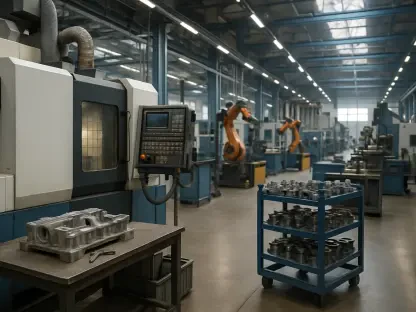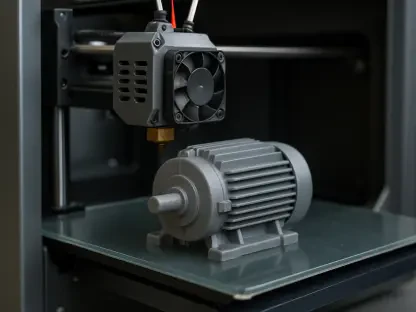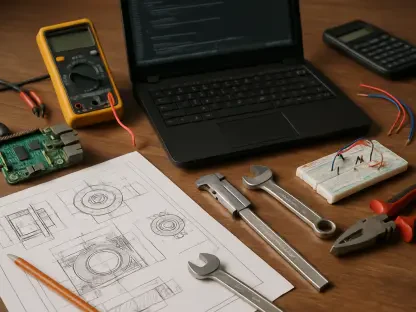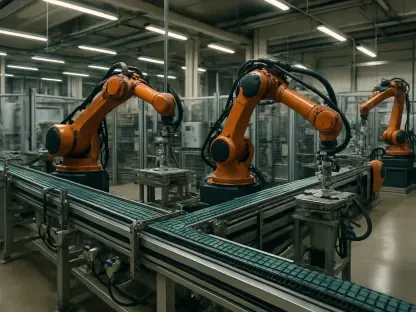

The modern fabrication floor is undergoing a radical metamorphosis as the historical boundary between specialized machinery dissolves into a singular, hyper-efficient ecosystem. This shift toward “all-in-one” fabrication cells marks a departure from traditional linear production, where parts traveled between disconnected stations. By merging disparate technologies, manufacturers are successfully eliminating the logistical bottlenecks that once hindered rapid prototyping and large-scale assembly.
Precision has become the primary currency in high-stakes sectors like healthcare and micro-electronics, where even a microscopic deviation can lead to catastrophic failure. Integrated manufacturing provides the stability required for these demanding environments by maintaining part orientation throughout multiple processes. This article explores the current market expansion, the influence of Prima Power’s latest innovations, and how software is redefining the future of factory autonomy.
Market Dynamics and Real-World Implementation
Statistical Growth: The Rise of Single-Setup Production
Market data indicates a sharp trajectory in the adoption of fiber laser integration within established punching workflows. This trend is largely fueled by the necessity to reduce lead times and maximize floor space, as manufacturers move away from sprawling, multi-machine layouts. Current adoption rates show that high-precision sectors are increasingly favoring equipment that minimizes material handling, thereby reducing the risk of surface damage on sensitive components.
The medical device manufacturing market remains a dominant force driving this technological evolution. As surgical instruments and diagnostic equipment become more complex, the demand for machines that can handle intricate geometries with zero margin for error has spiked. This market pressure has forced a shift toward modular systems that can scale in complexity alongside the growing sophistication of the devices they produce.
Case Study: Prima Power Combi Series in Healthcare
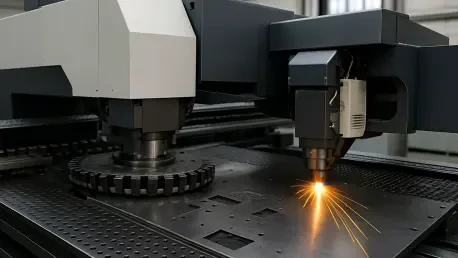
The introduction of the Combi Genius and Combi Sharp has set a new benchmark for handling challenging materials like copper, brass, and stainless steel up to 8 mm thick. These systems consolidate punching, tapping, forming, and laser cutting into a single, seamless operation. By centralizing these tasks, facilities have managed to bypass the cumulative errors that often occur when moving workpieces between different machines.
Operational flexibility is further enhanced by high-capacity turrets and IPG fiber laser resonators ranging from 3kW to 6kW. This combination allows a single cell to transition from heavy-duty forming to intricate laser profiling without human intervention. The result is a production environment that can pivot between different product lines in minutes rather than hours, maintaining a continuous flow of high-quality output.
Expert Perspectives on Manufacturing Synergy
Industry veterans point to the transition from hydraulic systems to servo-electric technology, such as EcoPunch, as a defining moment for cost management. This move not only slashes maintenance requirements but also provides a more controlled and repeatable punching force. Experts argue that this transition is no longer optional for firms looking to survive in a low-margin, high-efficiency global market.
The push toward “lights-out” production is no longer a futuristic concept but a functional reality enabled by automation modules like the Night Train and Compact Express. These systems allow for autonomous loading and sorting, ensuring that production continues long after the manual shift has ended. Furthermore, the integration of the Tulus® Suite bridges the gap between hardware and ERP systems, allowing for real-time adjustments based on live supply chain data.
Future Projections and Industry Implications
The Sustainability Mandate: Efficiency as a Standard
Long-term success in the fabrication industry is increasingly tied to energy efficiency and environmental responsibility. Moving toward servo-electric integration can yield up to 82% energy savings compared to legacy hydraulic machinery. This reduction in power consumption does more than lower utility bills; it aligns manufacturing centers with global carbon reduction targets, making them more attractive to eco-conscious clients and investors.
Technological Evolution: AI and Global Supply Chains
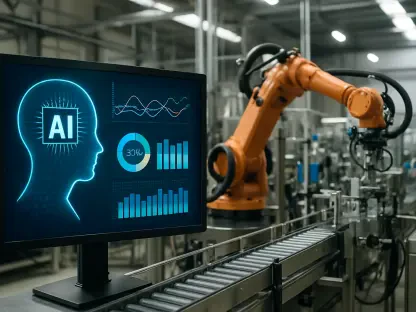
The next phase of integration will likely involve AI-driven analytics to predict tool wear and optimize nesting patterns in real time. Such advancements will further minimize downtime and ensure that material waste is kept to an absolute minimum. As these technologies mature, they will empower localized production hubs to compete with large-scale offshore facilities by offering faster turnaround times and lower shipping costs.
The transformation of the fabrication landscape through integrated punch-laser systems redefined the expectations for modern manufacturing. Versatility and automation became the cornerstones of a competitive strategy, particularly in specialized sectors where speed and precision are paramount. Moving forward, the industry turned its focus toward fully autonomous, carbon-neutral facilities that utilized modular technology to respond to a volatile global market with unprecedented agility. Manufacturers who prioritized these hybrid systems effectively insulated themselves against labor shortages and fluctuating material costs.