
The operational heart of the modern factory floor is no longer just the machinery itself, but the sophisticated digital interfaces that control and interpret every process in real time. This critical nexus of human and machine interaction is driving an unprecedented expansion in the industrial monitor market, which is on a clear trajectory to grow from its 2025 valuation of $2.7 billion to a formidable $3.74 billion by 2030. This expansion, representing a compound annual growth rate (CAGR) of 6.5%, is not merely a quantitative increase but a qualitative transformation of manufacturing environments worldwide. The fundamental shift towards highly automated, data-driven operations has elevated the industrial monitor from a simple display unit to an indispensable tool for efficiency, safety, and control. As industries globally embrace the principles of smart manufacturing, the demand for these specialized, durable, and increasingly intelligent displays is becoming a cornerstone of industrial modernization and competitive advantage.
The Rise of Smart Factories and Integrated Systems
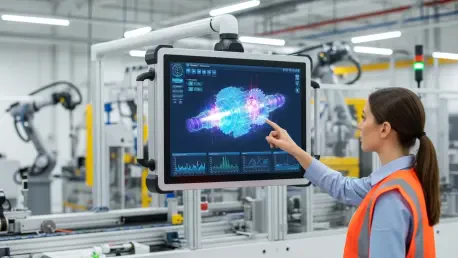
The primary catalyst propelling the industrial monitor market forward is the global adoption of Industry 4.0 principles, which are reshaping manufacturing into highly interconnected and intelligent ecosystems. Smart factories, built on a foundation of the Internet of Things (IoT), artificial intelligence (AI), and advanced automation, depend on a constant, seamless flow of information. Industrial monitors serve as the critical visualization layer in this complex architecture, providing operators with the real-time data needed for precise process control and immediate decision-making. The increasing integration of Programmable Logic Controller (PLC) and Supervisory Control and Data Acquisition (SCADA) systems further solidifies this demand, as these platforms require reliable and clear human-machine interfaces (HMIs) to function effectively. A March 2023 survey by Rockwell Automation substantiated this trend, revealing that a significant 40% of manufacturing companies are actively channeling investments into smart manufacturing technologies, directly fueling the need for advanced monitoring solutions that can withstand industrial environments while delivering critical operational insights.
Innovation and Strategic Moves Shape the Future
In response to the evolving demands of smart manufacturing, market leaders focused on strategic innovation and corporate maneuvers to secure their positions. The industry witnessed a distinct pivot towards developing AI-powered monitoring systems and intelligent displays equipped with predictive maintenance interfaces, which alert operators to potential equipment failures before they occur. Furthermore, a growing emphasis was placed on engineering high-resolution, rugged monitors specifically designed to operate flawlessly in harsh industrial settings characterized by dust, moisture, and extreme temperatures. These market dynamics prompted key strategic actions. For instance, Cincoze’s launch of its customizable DS-1400 Series embedded computers in August 2023 was a direct move to enhance system performance for complex industrial applications. Similarly, Lear Corporation’s strategic acquisition of WIP Industrial Automation in July 2024 underscored a broader industry trend of integrating advanced robotics and AI capabilities to amplify manufacturing efficiency and solidify a competitive edge in a rapidly advancing sector.