
In a significant move that highlights the robust health and forward momentum of the American aerospace sector, global energy control solutions specialist Woodward Inc. has officially announced a landmark investment of nearly $200 million to establish a state-of-the-art precision manufacturing facility in Greer, South Carolina. This strategic decision to build a new 300,000-square-foot plant in Spartanburg County is not merely an expansion but a calculated step designed to reinforce the company’s position as a critical supplier in the global aviation supply chain. The facility, which is scheduled to become operational in 2027, will initially focus on producing highly complex components for one of the world’s most advanced commercial aircraft. This ambitious project represents a major milestone in Woodward’s long-term growth strategy, signaling deep confidence in both the future of aerospace technology and the manufacturing capabilities of the southeastern United States, which is rapidly becoming a hub for the industry.
A Strategic Alliance to Power Modern Aviation
The new South Carolina facility is poised to become a cornerstone of Woodward’s partnership with Airbus, one of the leading commercial aircraft manufacturers in the world. Initially, the plant’s production capacity will be overwhelmingly dedicated to manufacturing spoiler actuation systems for the cutting-edge Airbus A350. These are not simple mechanical parts; they are highly specialized servo-hydraulic actuation systems that represent the pinnacle of modern flight control technology. Mounted on the upper surface of the aircraft’s wings, these systems are essential for precisely managing aerodynamic lift and drag, which directly contributes to enhanced flight performance, fuel efficiency, and overall safety. The Greer site has been meticulously planned with future growth in mind, designed with the potential for significant expansion to accommodate the increasing demand for Woodward’s broader portfolio of advanced aerospace technologies as the aviation industry continues to evolve and demand more sophisticated and reliable control systems for next-generation aircraft.
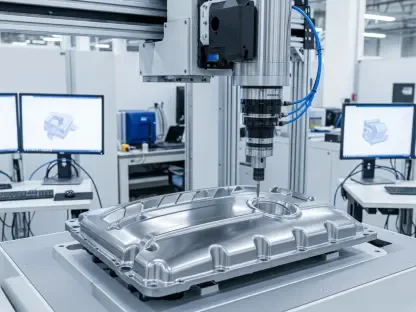
According to Woodward Chairman and CEO Chip Blankenship, the Greer plant is envisioned as a “showcase manufacturing site,” setting a new standard for aerospace production in the 21st century. The facility will be vertically integrated, bringing multiple stages of the manufacturing process under one roof to ensure quality control and efficiency. It will also be highly automated, deploying advanced robotics and smart factory technologies to optimize production. This approach builds upon the operational excellence methodologies Woodward has honed through its deep involvement in major aircraft engine programs like the LEAP and GTF. Beyond fulfilling the immediate needs of the Airbus A350 contract, this state-of-the-art facility strategically positions Woodward to leverage its deep expertise in the design and industrialization of hydraulic flight controls. This will enable the company to pursue new applications and extend its market reach to other commercial aircraft programs, solidifying its role as an indispensable partner to the world’s leading aerospace giants.
The South Carolina Advantage in a Competitive Landscape
The decision to locate this pivotal facility in Spartanburg County was the culmination of a comprehensive and competitive nationwide search. South Carolina ultimately emerged as the clear victor due to a powerful combination of factors that create an ideal environment for high-tech manufacturing. The region boasts a robust and mature manufacturing ecosystem, complete with an established network of suppliers and logistics providers crucial for a complex aerospace operation. Furthermore, the state offers access to a highly skilled and growing talent pool, with a strong emphasis on aerospace and advanced manufacturing training programs that ensure a steady pipeline of qualified engineers, technicians, and operations personnel. This strategic location, coupled with proximity to key suppliers, was instrumental in the final decision. The deal was also secured through a competitive incentive package provided by the State of South Carolina and local economic development bodies, demonstrating a proactive and business-friendly approach to attracting high-value investment.
This major investment is set to deliver a substantial and lasting economic impact on the region, far beyond the initial construction phase. The project is expected to create approximately 275 high-quality, well-paying jobs in its initial phase, spanning roles in advanced manufacturing, engineering, and business operations. There is also significant potential for future workforce expansion as the facility scales its production from 2027 onward to meet evolving market demand. Governor Henry McMaster praised the decision, noting that it reinforces South Carolina’s prominent reputation as a leader in the global manufacturing industry and will bring valuable economic opportunities to the community. This move by Woodward reflects a broader trend of significant investment in the American aerospace manufacturing sector, particularly in southeastern states that have cultivated an environment rich in infrastructure, skilled labor, and governmental support, creating a powerful nexus for the future of aviation technology.
Forging a New Aerospace Legacy
Woodward’s commitment to South Carolina was ultimately driven by a deliberate convergence of strategic imperatives that aligned perfectly with the state’s unique offerings. The company’s long-term growth strategy, the immediate demands of its crucial partnership with Airbus, and its ambition to pioneer advanced manufacturing capabilities found a fertile ground in Spartanburg County. The region presented not just a location, but a comprehensive solution, offering a skilled workforce, a resilient supply chain, and a supportive business climate. This decision was more than a simple expansion of physical footprint; it represented a strategic repositioning that solidified Woodward’s critical role in the supply chain for the next generation of commercial aircraft. The investment effectively ensured the company could meet the exacting demands of modern aviation while also cementing South Carolina’s status as an indispensable hub in the global aerospace industry, poised for continued growth and innovation.