
In the highly competitive and logistically complex world of tire manufacturing, the push for greater efficiency, precision, and sustainability is reshaping factory floors on a global scale. A groundbreaking automated solution has recently garnered significant attention, earning the “Most Innovative Automation Solution” award in the Manufacturing Supplier Innovation Awards US 2025, underscoring a pivotal shift in how the industry approaches production. This recognition highlights not just a piece of technology but a comprehensive philosophy for factory optimization. Known as the Dream Factory, this end-to-end automated system developed by Cimcorp, a global pioneer in robotic handling solutions, is revolutionizing tire production by transforming traditionally fragmented processes into a single, intelligent, and seamless operation. By integrating advanced robotics with sophisticated data-driven software, it addresses the core challenges of modern manufacturing, from material flow and inventory management to quality control and order fulfillment, heralding a new era of the smart tire plant.
The Architecture of Intelligent Manufacturing
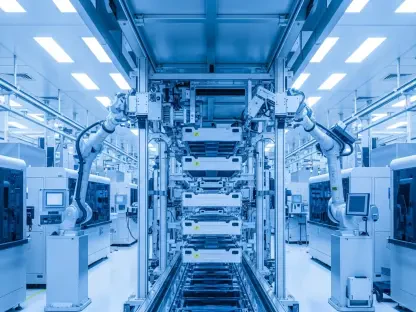
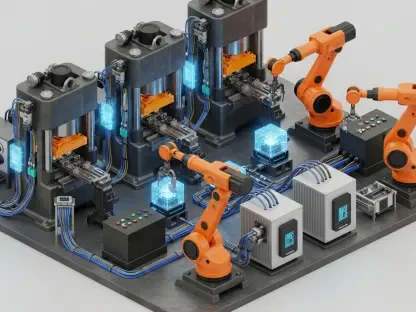
At its core, the Dream Factory solution represents a fundamental departure from conventional, siloed manufacturing models. It establishes a fully integrated and automated ecosystem that manages the entire production lifecycle, from the moment raw materials enter the facility to the final stage of shipping finished tires. This comprehensive system is powered by a combination of gantry robots, automated guided vehicles (AGVs), and conveyor systems, all orchestrated by an intelligent warehouse control system (WCS) and manufacturing execution system (MES). This software layer acts as the central nervous system of the plant, collecting real-time data from every stage of production. It uses this data to optimize material flow, eliminate bottlenecks, and ensure that the right components are delivered to the right machines at the precise moment they are needed. This level of synchronization minimizes idle time, reduces work-in-process (WIP) inventory, and creates a production environment that is both highly efficient and remarkably predictable, enabling manufacturers to meet demanding production targets with unparalleled consistency.
A key strategic advantage of this integrated solution is its inherent flexibility, particularly its modular design, which allows for seamless implementation in vastly different manufacturing environments. This adaptability is crucial, as it enables the system to be deployed not only in state-of-the-art greenfield facilities built from the ground up but also in established brownfield plants undergoing modernization. For existing factories, the ability to introduce automation in phased, modular stages minimizes disruption to ongoing operations and allows for a more manageable capital investment strategy. According to Don Heelis, Cimcorp’s Global Tire Sales Manager, this capability is pivotal in helping tire makers transform their existing infrastructure into smarter, more resilient plants that can swiftly adapt to the dynamic demands of the global market. This modularity ensures that the path to a fully automated “Dream Factory” is accessible to a broader range of manufacturers, regardless of their facility’s age or original layout.
Tangible Gains and Strategic Advantages
The operational benefits realized by tire manufacturers who have adopted this technology for over 15 years are extensive and transformative. One of the most significant impacts is a dramatic increase in plant throughput and operational agility. By automating the handling, storage, and retrieval of materials, the system virtually eliminates the manual errors and delays that often plague traditional production lines. This results in a faster, more consistent flow of goods through the factory, boosting overall output without a corresponding increase in physical footprint. Moreover, the system’s ability to precisely track every single tire from raw material to finished product provides an unprecedented level of traceability. This granular data is invaluable for quality assurance, allowing manufacturers to quickly identify and isolate any potential issues, thereby safeguarding brand reputation and enhancing consumer safety. This comprehensive control over the production process ensures that quality standards are consistently met and maintained.
Beyond enhancing production metrics, the implementation of this advanced automation solution delivers substantial improvements in resource management and corporate responsibility. The optimized material flow and reduced WIP inventory lead to a more efficient use of factory space, often freeing up valuable square footage for other value-added activities. The system is also engineered for energy efficiency, contributing to a lower carbon footprint and reduced operational costs, aligning with corporate sustainability goals. Furthermore, by automating physically demanding and repetitive tasks, the Dream Factory significantly improves workplace safety and ergonomics for employees, minimizing the risk of injuries. This focus on human-centric design, coupled with the system’s capacity for rapid and error-free order fulfillment, culminates in higher levels of customer satisfaction. Fast, accurate delivery is a critical differentiator in the competitive tire market, and this solution provides the operational excellence needed to meet and exceed customer expectations.
A Legacy of Innovation
The recent accolades for the Dream Factory were a reflection of its proven, real-world impact on the tire industry. The selection process, conducted by an independent advisory board and the editorial team at Manufacturing Today, evaluated entries based on innovation, industry relevance, and tangible results. For Cimcorp, a member of Murata Machinery Ltd., this award represented a continuation of a legacy that began in 1975, focused on simplifying complex material flows. Its long-standing specialization in the tire and grocery retail sectors allowed the company to develop deeply integrated solutions that addressed the specific, nuanced challenges of its customers. This history of focused innovation culminated in a system that not only automated tasks but reimagined the entire manufacturing workflow, creating a blueprint for the resilient and intelligent factories of the modern era.