
The sudden emergence of Mind Robotics as a major player in the industrial sector highlights a fundamental shift away from experimental humanoid designs toward practical, AI-driven manufacturing solutions that address immediate operational needs. By securing a massive five hundred million dollar Series A funding round led by heavyweight venture firms like Accel and Andreessen Horowitz, the startup has achieved a two billion dollar valuation almost overnight, signaling intense market confidence in its mission. This venture is not merely another attempt to build a versatile robot, but a strategic effort by RJ Scaringe to resolve the structural gaps currently plaguing high-volume production environments. These gaps exist because traditional “classical” robotics lack the nuance required for complex tasks, often requiring human intervention for adjustments that an intelligent system should handle autonomously. The objective is to infuse existing industrial hardware with human-like dexterity and physical reasoning capabilities to ensure that the next generation of factories can operate with unprecedented efficiency and reduced downtime.
Practical Intelligence Over Humanoid Aesthetics
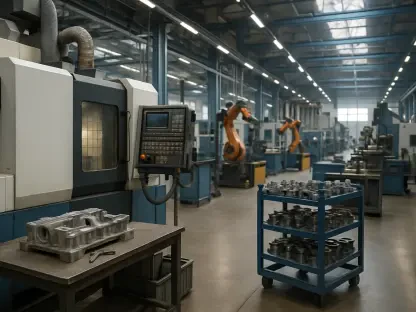
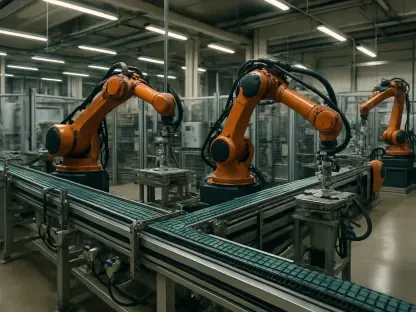
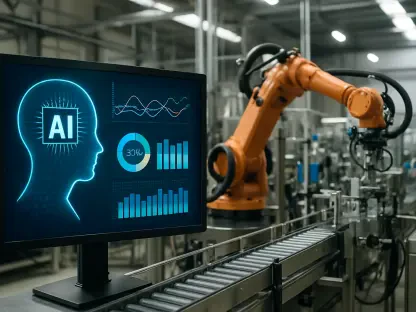
While the broader technology industry often fixates on the visual spectacle of humanoid robots performing complex acrobatic feats, Mind Robotics prioritizes a philosophy of grounded pragmatism to solve real-world problems. This approach deliberately avoids the distractions of anthropomorphic design, focusing instead on enhancing the software and sensory capabilities of established factory machinery. By integrating advanced artificial intelligence models directly into the deployment infrastructure, the company seeks to empower traditional robotic arms and assembly units with the ability to perceive and react to their surroundings in real-time. This methodology acknowledges that the true value of automation in a commercial setting comes from precision and adaptive reliability rather than novelty. By focusing on physical reasoning, these systems can identify micro-deviations in component alignment or unexpected material variances, allowing the machinery to correct its own path without halting the entire assembly line for manual recalibration.
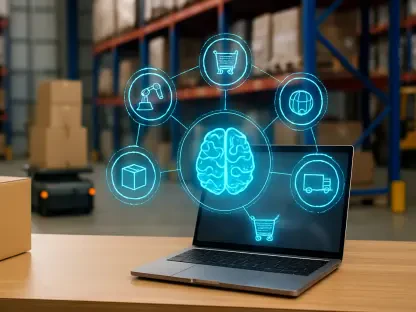
The urgency behind this technological evolution is underscored by a global manufacturing landscape that is currently grappling with chronic labor shortages and a demand for higher throughput. Industry data suggests that the surge in global robot installations is set to exceed seven hundred thousand units annually by 2028, reflecting a broad consensus that AI-driven automation is no longer a luxury but a competitive necessity. Mind Robotics positions itself at the center of this trend by offering a solution that minimizes human error while maximizing the utility of existing hardware investments. Rather than replacing entire production floors with unproven humanoid platforms, companies can leverage these sophisticated AI layers to bridge the performance gap between rigid automation and flexible human labor. This strategy allows industrial leaders to scale their operations more rapidly while maintaining the high standards of quality required in sectors ranging from aerospace to consumer electronics, ultimately securing a more resilient and responsive global supply chain.
Technical Integration and the Rise of AI-Native Production
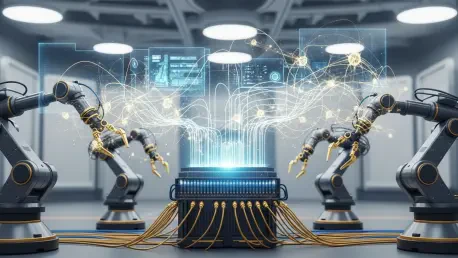
The technical foundation of this initiative is deeply intertwined with the existing infrastructure of electric vehicle production, creating a unique synergy that benefits both the robotics startup and its automotive partner. Custom silicon, originally engineered for the demanding task of autonomous driving, is being repurposed as a dedicated “robotics processor” to handle the immense computational load of real-time physical reasoning. This integration of bespoke hardware and industrial intelligence signals the beginning of an AI-native era, where the machine’s brain is as specialized as its mechanical limbs. By utilizing high-fidelity data harvested from active production lines, the development team can train neural networks to recognize patterns that were previously invisible to standard monitoring software. This data-driven approach ensures that the equipment can predict maintenance needs before a failure occurs, thereby optimizing the lifecycle of industrial assets and ensuring that the high-speed rhythm of modern manufacturing remains uninterrupted by preventable technical glitches.
Industrial leaders who recognized the potential of this shift prioritized the adoption of flexible, data-driven systems over rigid legacy frameworks to maintain their edge in a volatile market. The transition toward intelligent automation required a fundamental rethinking of how hardware and software interacted, leading to the implementation of more robust internal data pipelines. Companies that successfully integrated these “robotics processors” into their workflows discovered that the initial investment was quickly offset by drastic reductions in waste and improved worker safety. Looking ahead, the focus shifted toward establishing standardized communication protocols between different AI-native platforms to ensure seamless interoperability across diverse manufacturing sites. Stakeholders who invested in workforce retraining programs found that their employees were better equipped to manage these advanced systems, turning the factory floor into a collaborative environment where human insight and machine precision operated in perfect harmony to drive global economic growth.