
The pharmaceutical and biotechnology sectors are currently navigating a landscape of unprecedented complexity and opportunity, defined by the convergence of groundbreaking biological science and the pervasive integration of digital technologies. This dual-pronged evolution is forcing a complete reevaluation of traditional business models, as companies race to develop highly specialized medicines like cell and gene therapies while simultaneously modernizing the foundational frameworks required to bring these innovations to market. The overarching narrative is one of a pivotal shift, where the frontiers of personalized medicine are being explored with paradigm-shifting treatments, balanced by an equally critical focus on optimizing the manufacturing, quality, and regulatory systems needed to ensure their safety, efficacy, and commercial viability in an increasingly demanding global environment. This dynamic interplay is not merely an incremental change but a fundamental redefinition of the industry itself.
The New Frontier of Biological Medicine
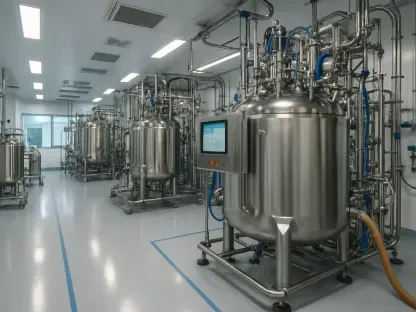
A primary and recurring theme across the industry is the deep investment in developing and manufacturing advanced therapies that offer unparalleled precision and personalization. At the vanguard of this movement are cell and gene therapies (CGT), which have necessitated the creation of a “CGT 2.0” manufacturing paradigm. This strategic model is a direct response to the inherent complexities of these treatments, emphasizing the need to build in flexibility, robust automation, and data-driven analytics from the earliest stages of development. A core challenge within this space remains the production of adeno-associated virus (AAV) vectors, which, while effective for gene delivery, often suffer from lower production titers compared to other vectors. This creates significant scalability problems and is compounded by an exceptionally demanding purification workflow requiring meticulous monitoring to remove contaminants, a non-negotiable for patient safety.
Beyond CGT, the development of radiopharmaceuticals is gaining significant traction as a key area of innovation, particularly for targeted cancer treatment. These drugs feature a unique “theranostic” capability, combining a diagnostic radioisotope for imaging with a therapeutic one for treatment, allowing for highly precise radiation delivery directly to tumor sites. This minimizes damage to healthy tissue and reduces side effects compared to traditional radiotherapy. However, this promising field faces formidable challenges, including securing a reliable global supply of medical radioisotopes and adhering to exceptionally high regulatory standards specific to radioactive materials. In a more established but still challenging area, the formulation of high-concentration biologics is being driven directly by patient preference for at-home care via self-administration devices, forcing developers to overcome the significant technical hurdle of concentrating protein therapeutics without compromising the drug’s stability, viscosity, or efficacy.
Digital Transformation as the New Bedrock
The integration of artificial intelligence and machine learning is no longer a futuristic concept but a present-day reality woven into the fabric of pharmaceutical operations, from discovery to delivery. AI is being leveraged to dramatically accelerate the entire drug development pipeline, with its application in in silico compound screening allowing researchers to identify promising drug candidates more rapidly and with greater precision than ever before. Furthermore, AI is being used to generate novel scientific hypotheses to explore new therapeutic avenues and to optimize the design and execution of increasingly complex clinical trials. This technological infusion is fundamentally changing the economics of research and development, holding the potential to reduce the time and capital required to bring life-saving medicines from the laboratory to the patient bedside.
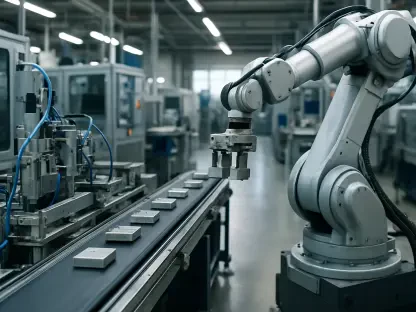
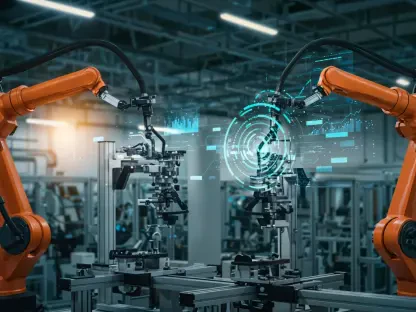
The transformative impact of AI extends well beyond research and into the core of manufacturing and supply chain management. Within production facilities, AI is being deployed for predictive process controls to ensure batch-to-batch consistency and quality, thereby reducing costly failures and improving overall operational efficiency. Major industry players have explicitly pointed to their significant investments in AI and automation as central to their expansion strategies, viewing these technologies as essential for competing in the modern landscape. Beyond the factory, other digital innovations are bolstering the supply chain. The launch of technologies like RFID-embedded labels points to critical advancements in ensuring product integrity, enabling real-time tracking, and providing a powerful tool in the ongoing fight against counterfeit medicines, protecting both patients and brand reputation.
Navigating a Complex Strategic and Regulatory Environment
Hand-in-hand with therapeutic innovation is a profound emphasis on navigating an intensely rigorous and evolving regulatory and quality environment. The increasing complexity of new medicines has prompted intense scrutiny from global agencies, necessitating a proactive and deeply embedded culture of quality within organizations. The severe implications of receiving a warning letter for failure to establish an adequate Quality Control (QC) unit underscore a crucial compliance strategy: regulators expect a comprehensive, scientifically sound remediation plan that addresses systemic shortcomings, not just superficial corrections. Similarly, the meticulous scientific rigor required for extractables and leachables (E&L) studies highlights the detailed work needed to ensure drug product safety by identifying and quantifying potentially harmful compounds that may migrate from container closure systems and manufacturing components.
This challenging environment, combined with significant economic pressures, has fueled a wave of strategic market consolidation. The looming threat of “patent cliffs” for many blockbuster drugs is forcing large pharmaceutical companies to aggressively pursue mergers and acquisitions to acquire new revenue streams and, just as importantly, the specialized technological expertise required for advanced therapies. Recent mega-deals have illustrated this trend, with acquisitions often motivated by a target’s strong position in areas like diagnostics and precision medicine, which provide stable, recurring revenue and deep regulatory knowledge—highly valuable assets in the current landscape. These strategic maneuvers, alongside ongoing political pressures regarding drug pricing, paint a picture of an industry navigating a complex interplay of scientific ambition, regulatory demands, and market realities.
A Synthesis of Science and Strategy
The pharmaceutical landscape was defined by an industry at a pivotal juncture, where the relentless pursuit of groundbreaking therapies created both immense scientific opportunities and exposed significant operational challenges. The push into advanced modalities like cell and gene therapies and radiopharmaceuticals revealed critical manufacturing, logistical, and regulatory hurdles that demanded more than just scientific ingenuity. To overcome these obstacles, the industry underwent a fundamental operational transformation, characterized by the deep integration of artificial intelligence and data analytics into every facet of the business. This period saw a renewed and intense focus on foundational quality systems and strategic corporate consolidation, which became necessary tactics to acquire essential capabilities and navigate a complex economic environment. Ultimately, the evolution of the sector was shaped by the dynamic interplay between cutting-edge biology, stringent regulatory demands, powerful technological tools, and a growing orientation toward the needs of the patient, setting a new and decisive course for the future of medicine.