
The intricate global network responsible for moving food from farm to table is facing an unprecedented convergence of threats, prompting industry leaders to seek collaborative solutions for a more resilient future. In response to this growing urgency, key figures from across the agri-food sector are set to convene in Bologna, Italy, on March 3, 2026, for a critical summit aimed at dissecting these multifaceted risks and forging actionable strategies. Organized by the international consulting firm dss+, the conference will bring together a powerful cohort of producers, processors, and retailers to address the dual pressures currently straining the system. According to Massimo Marino, a Food Industry leader at dss+ and a key promoter of the event, the challenges are stark. On one hand, primary production is increasingly vulnerable to macro-level disruptions like climate change and geopolitical turmoil, which threaten the very availability of raw materials. On the other, the industrial side of the equation grapples with relentless internal pressures, from stringent cost controls and evolving food safety mandates to the ongoing pursuit of operational excellence and the protection of worker welfare. This high-stakes environment demands a shift from reactive crisis management to proactive, integrated risk mitigation.
A Two-Pronged Strategy for Fortifying the Sector
The morning’s plenary session will set a strategic foundation by analyzing the primary risk factors, but the afternoon is designed to pivot from discussion to tangible problem-solving through focused roundtables. The first of these will concentrate on primary production, exploring defensive strategies against the growing volatility of climate and geopolitics. The dialogue is expected to move beyond abstract concerns to examine the practical implementation of key innovations. Digitalization, for instance, offers a powerful toolset for resilience, with technologies like precision agriculture, AI-driven predictive analytics, and blockchain-based traceability enabling farmers to optimize resource use, anticipate disruptions, and provide greater transparency. Simultaneously, the discussion will delve into the principles of regenerative agriculture, a practice that not only mitigates environmental impact but also strengthens farm-level resilience by improving soil health, enhancing biodiversity, and reducing dependence on external inputs. A third pillar of this conversation will be the strategic imperative of diversifying supply sources, a crucial step in de-risking supply chains that have become overly reliant on specific geographic regions, making them susceptible to localized shocks.
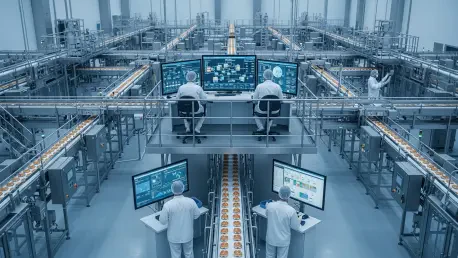
While primary producers focus on external threats, a parallel roundtable will address the complex internal challenges facing the industrial transformation phase of the supply chain. This discussion will focus on elevating operational efficiency not merely as a cost-cutting measure, but as a core component of systemic resilience. While regulatory compliance and cost management remain critical operational pillars, the conversation will emphasize the often-overlooked human element as the key to unlocking sustainable improvements. The central thesis is that technology and processes are only as effective as the people who manage them. Therefore, the roundtable will explore concrete methods for translating investments in corporate culture, advanced skill development, and comprehensive employee awareness into tangible actions. This involves creating a workplace environment where every team member understands their role within the larger system and is empowered to contribute to safety, quality, and efficiency goals. This approach aims to build a robust organizational framework capable of navigating the complexities of modern food processing while fostering a culture of continuous improvement and adaptability from the ground up.
Charting a Course for Collaborative Resilience
The dialogues and strategic sessions held during the summit ultimately underscored a fundamental shift in industry thinking, moving away from siloed operations toward a more integrated and collaborative approach to supply chain management. The discussions, which brought together influential voices from companies such as Barilla, Coop Italia, xFarm, and Lactalis Italia, confirmed that the path to resilience is not paved by isolated technological fixes or individual corporate policies alone. Instead, the consensus that emerged was one of shared responsibility and a collective commitment to building a more adaptive food system. Key takeaways emphasized the necessity of pairing technological advancements with strategic investments in human capital, recognizing that a skilled, aware, and engaged workforce is the most critical asset in navigating unforeseen disruptions. The strategies examined, from the implementation of regenerative agriculture at the source to the cultivation of a robust safety culture in processing facilities, were framed not as independent solutions but as interconnected components of a holistic risk management framework. The conference marked a pivotal moment, solidifying the understanding that the future security of the global food supply depended on the industry’s ability to innovate, cooperate, and invest in both the land and the people who sustain it.