
A New Dawn for Domestic Production: The Strategic Imperative
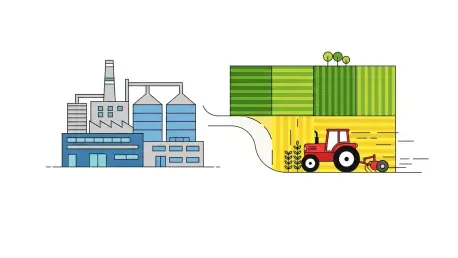
In a move set to reshape India’s agricultural landscape, the foundation has been laid for a state-of-the-art ammonia-urea plant in Namrup, Assam. This landmark project represents a critical step in the nation’s ambitious journey toward ‘Aatmanirbharta,’ or self-reliance, in the vital fertilizer sector. As a cornerstone of food security, fertilizers have long been a strategic commodity, and India’s heavy reliance on imports has exposed it to volatile global markets and significant fiscal strain. This article explores the multifaceted significance of the Namrup plant, examining its role in revitalizing a key industrial region, securing agricultural supply chains, and reinforcing India’s broader economic strategy for a self-sufficient future.
India’s Fertilizer Conundrum: A History of Dependency and High Stakes
For decades, India has grappled with a persistent gap between domestic fertilizer production and its ever-growing agricultural demand. This shortfall has necessitated massive imports, draining precious foreign exchange and making the nation’s farmers dependent on geopolitical and market forces beyond their control. The financial burden is staggering, with the government providing substantial subsidies to shield farmers from high international prices. Furthermore, the logistical challenge of transporting imported fertilizers to remote corners of the country, particularly the North East, has often resulted in delays and increased costs, impacting crop cycles and farmer profitability. The historical context of Namrup itself, with older units facing operational challenges, underscores the urgent need for modernization and strategic reinvestment to reverse this trend of underperformance and dependency.
The Namrup Revival: A Multi-Pronged Strategic Initiative
A Catalyst for Regional Economic Transformation
The new Namrup plant, operated by the Assam Valley Fertilizer and Chemical Company Limited, is more than an industrial facility; it is a monumental investment in regional prosperity. With a commitment of over ₹10,600 crore, this brownfield project is designed to be an economic engine for Assam and the entire North East. The initiative is projected to create a wave of direct and indirect employment, offering skilled jobs within the plant and fostering a robust ecosystem of ancillary services. Opportunities in logistics, transportation, maintenance, and raw material supply chains are expected to flourish, injecting vitality into the local economy and providing sustainable livelihoods for thousands.
Fortifying Agricultural Supply Chains for Eastern India
With a projected annual output exceeding 12 lakh metric tonnes, the Namrup facility is poised to be a game-changer for regional agriculture. Its primary benefit lies in ensuring a stable, timely, and cost-effective supply of urea to farmers in Assam and neighboring states. By localizing production, the project will drastically reduce the long and often unreliable supply chains that currently bring fertilizer from western ports or other production hubs. This enhanced logistical efficiency means farmers can access this critical input when they need it most, boosting crop yields, enhancing food security, and ultimately improving their economic well-being. The plant will serve as a reliable source for a vast agricultural belt, including West Bengal, Bihar, and Jharkhand.
A Decisive Step Toward National Self-Reliance
The Namrup project is a cornerstone of India’s national strategy to bridge its domestic fertilizer deficit. While production has increased to nearly 306 lakh metric tonnes, it still falls short of the national requirement of around 380 lakh metric tonnes. This new plant, along with other similar government-backed initiatives, directly addresses this gap. By boosting domestic manufacturing, India can significantly curtail its import bill and reduce the immense fiscal pressure of the fertilizer subsidy. The government currently absorbs a massive price differential—paying nearly ₹3,000 for a bag of imported urea that it sells to farmers for about ₹300. Increasing domestic capacity is a direct and effective strategy to mitigate this financial drain and reallocate resources toward other national priorities.
The Future Trajectory: A Blueprint for Industrial Revitalization
The successful implementation of the Namrup brownfield project is set to become a powerful blueprint for revitalizing other strategic public sector undertakings across the country. It signals a decisive shift toward strengthening domestic manufacturing capabilities in sectors critical to national security and economic stability. As India pushes forward, this model of modernizing existing industrial sites can be replicated to enhance efficiency, adopt cleaner technologies, and reduce import reliance in other key areas. Looking ahead, this new, technologically advanced plant also provides a platform for future innovations, such as the potential integration of green ammonia production or the manufacturing of next-generation fertilizers like nano-urea, ensuring its relevance in a rapidly evolving agricultural sector.
Key Insights and Strategic Imperatives
The analysis of the Namrup fertilizer plant reveals several key takeaways. First, targeted investment in domestic manufacturing provides a multifaceted solution to economic, agricultural, and fiscal challenges. Second, empowering regional industrial hubs is crucial for balanced national development and resilient supply chains. Finally, achieving self-reliance in a critical input like fertilizer is not just an economic goal but a strategic imperative for ensuring food security. For policymakers, the path forward involves identifying and supporting similar high-impact projects. For the agricultural sector, this initiative promises greater stability and predictability. The overarching lesson is that strategic, long-term investments in core industrial capacity are essential for building a robust and self-sufficient nation.
A Strategic Asset for a Self-Reliant India
In conclusion, the new fertilizer plant in Namrup is far more than a standalone industrial project; it is a symbol of India’s renewed commitment to industrial self-reliance and agricultural sovereignty. By addressing the critical need for domestic fertilizer production, this facility will empower farmers, invigorate a regional economy, and reduce a significant national financial burden. Its success will resonate far beyond the fields of Assam, serving as a powerful testament to the nation’s capacity to build a secure, prosperous, and self-reliant future. This initiative is a definitive step toward ensuring that the hands that feed the nation are supported by a foundation of domestic strength and resilience.