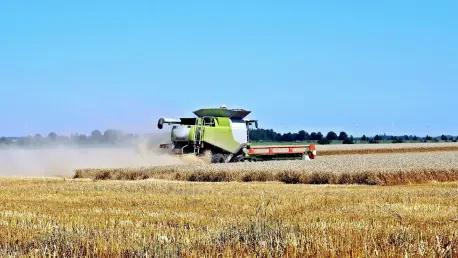

The Australian agricultural landscape has undergone a monumental transformation that culminated in the sector surpassing its long-term financial targets well before the original deadlines set by industry leaders and policymakers. According to the latest data from the Australian Bureau of Agricultural and Resource Economics and Sciences, total production value across agriculture, fisheries, and forestry is expected to reach $107.4 billion in this current 2025-26 financial year. This achievement represents the fulfillment of the National Farmers Federation’s 2030 Roadmap target nearly four years ahead of the original schedule. While agriculture alone accounts for $101.4 billion of this total, the broader success highlights a systemic shift in how regional communities manage resources and respond to global demand. This rapid growth occurred despite a series of significant challenges, including previous cycles of severe drought, bushfires, and global trade disruptions that once threatened the viability of many local operations.
Strategic Diversification and Global Market Expansion
A primary catalyst for this economic surge has been the aggressive expansion and diversification of the export market, which has effectively shielded producers from localized downturns. Australian food and fiber exports are currently forecasted to reach nearly $85 billion, servicing approximately 190 different global markets. This represents the most diversified trade portfolio in the history of the nation’s primary industries. By reducing reliance on any single trading partner, the sector has managed to maintain high valuation even when specific geopolitical tensions created temporary barriers. The resilience of these trade routes is supported by a sophisticated network of logistics and quality assurance protocols that ensure Australian products command a premium price on the international stage. Farmers have successfully leveraged technical expertise to adapt their output to meet the specific nutritional and sustainability requirements of emerging middle-class populations, creating a stable foundation for long-term revenue.
Innovation and Regional Economic Sustainability
The journey toward this milestone was defined by unprecedented collaboration between government bodies and private industry stakeholders. By prioritizing regional economic strengthening and technological investment, the sector increased its production value by 15 percent since the start of the decade. To maintain this momentum, stakeholders must now focus on the digital transformation of supply chains and the integration of precision farming tools that optimize water usage and soil health. Future success will likely depend on the industry’s ability to implement carbon-neutral production methods that align with tightening global environmental regulations. Infrastructure investments in regional transportation hubs proved essential for moving bulk commodities efficiently during peak harvest periods. This period of prosperity demonstrated that strategic market diversification was the most effective way to secure national food security. Moving forward, the emphasis should shift toward securing long-term workforce stability and investing in research.