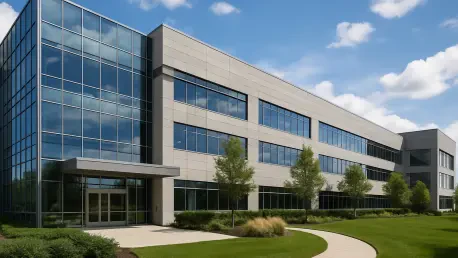

The architectural silhouette of Basel has undergone a radical transformation, where the historic spires of medieval churches now share the horizon with the sleek, soaring glass of the Roche Towers. This visual shift captures a deeper economic reality: the city has successfully transitioned from a regional center of trade into a premier global life sciences powerhouse. As the international pharmaceutical industry pivots toward increasingly complex biological modalities, Basel has positioned itself as an indispensable node in the global drug development pipeline, rivaling established American biotechnology hubs in both scale and innovation.
The Evolution of a Scientific Powerhouse
This evolution is not merely a matter of modern aesthetics but represents a fundamental shift in how scientific research is conducted and commercialized. While other cities attempt to build ecosystems from the ground up, Basel leverages a rare combination of historical stability and forward-looking investment. The result is a city that functions as a high-tech engine, where the pace of clinical breakthroughs is matched only by the rapid physical expansion of its research districts. This momentum has turned the region into a magnet for the brightest minds in oncology, immunology, and rare disease research.
From Medieval Roots to Modern Medicine
The foundation for this success was laid centuries ago, as Basel’s position on the Rhine River made it a natural crossroads for intellectual and commercial exchange. This historical openness fostered a culture of inquiry that eventually birthed industrial giants such as Roche, Novartis, and Lonza. These corporations provided more than just employment; they built the institutional bedrock of a pharmaceutical sector that prioritizes long-term scientific viability over short-term market fluctuations.
By establishing a credible and stable environment for over a hundred years, these titans created a legacy of excellence that continues to draw international capital today. This deep-rooted expertise provides a level of security for investors and researchers alike, ensuring that the current biopharmaceutical explosion is supported by a robust framework of experience and reliable infrastructure.
Milestones Defining the Basel Ecosystem
A Dense Network of Industry Titans and Emerging Startups
The region currently hosts a staggering concentration of over 800 life science companies, creating one of the most collaborative environments on the planet. In this unique ecosystem, multinational corporations operate in close physical proximity to nimble, venture-backed biotech firms. This density allows for a constant cross-pollination of ideas, where a breakthrough in a small laboratory can quickly find the resources and scale of a global leader.
The BaseLaunch Success Story and Financial Growth
A critical component of this growth has been the BaseLaunch incubator, which acts as a vital catalyst for early-stage innovation. By providing specialized mentorship and access to a “who’s who” of big pharma partners—including Pfizer, AbbVie, and Novo Nordisk—the incubator has helped its portfolio companies secure more than $1 billion in financing. This financial influx has been instrumental in moving experimental therapies through the “valley of death” and into Phase II clinical trials.
Strategic Corporate Migrations and Regional Expansions
The magnetic pull of the region is evident in the recent wave of high-profile corporate migrations. For instance, BeOne Medicines recently redomiciled to Basel to tap into its specialized oncology network, while Clinilabs chose the Switzerland Innovation Park for its new European headquarters. These moves highlight a growing trend where global firms prioritize access to Basel’s specialized research clusters over traditional financial centers.
What Distinguishes the Basel Supercluster
The secret to Basel’s competitive edge lies in its tri-national talent pool and a specialized infrastructure that supports the entire drug lifecycle. Situated at the intersection of Switzerland, France, and Germany, the city draws from 15 world-class universities, offering an unparalleled density of 33,000 industry professionals. This geographic advantage ensures a constant stream of highly skilled graduates and seasoned experts who move seamlessly across borders.
Furthermore, the regional government maintains a “science-sympathetic” stance, characterized by a competitive tax landscape and streamlined regulatory processes. This creates a genuine “lab to launch” ecosystem, where a molecule can be discovered, tested, and manufactured for global distribution within a single small geographic radius. Such integration reduces the logistical hurdles that often plague decentralized development models.
Basel’s Current Standing in the Global Market
Today, the city is a hive of international collaboration and infrastructure development. Major players like Johnson & Johnson have recently inaugurated new innovation hubs to mentor local entrepreneurs, while giants like Bayer and Moderna continue to expand their operational footprints. The presence of elite Contract Development and Manufacturing Organizations (CDMOs) like Catalent ensures that the region remains at the cutting edge of production technology, making it a self-sustaining engine for medical progress.
Reflection and Broader Impacts
Reflection
The rise of the Basel supercluster demonstrated the power of a highly integrated environment where public policy and private enterprise were perfectly aligned. The region’s ability to maintain its momentum required a delicate balance between preserving its historical identity and embracing the rapid pace of technological change. This synergy created a durable model that prioritized scientific depth over mere commercial expansion, proving that a concentrated geographic focus could effectively compete with much larger global markets.
Broader Impact
The success of the “lab to launch” model provided a blueprint for the future of global healthcare by significantly shortening the time required to bring life-saving therapies to patients. This localized efficiency challenged the necessity of traditional, fragmented development cycles and influenced how other nations structured their own biotechnology sectors. By positioning Europe as a formidable rival to North American hubs, Basel reshaped the global landscape of medical innovation and set new standards for regional collaboration.
Shaping the Future of Global Healthcare
To sustain this leadership, the focus must now shift toward deeper integration of digital health and artificial intelligence within the existing biopharmaceutical framework. Stakeholders should prioritize the expansion of cross-border data-sharing agreements to further streamline clinical trials and regulatory approvals. As the industry moves toward personalized medicine, the continued investment in specialized manufacturing facilities will be essential to accommodate small-batch, patient-specific therapies. Future progress depends on maintaining this high density of expertise while fostering an environment that remains accessible to the next generation of scientific pioneers.