
A Historic Financial Commitment to Domestic Life Sciences
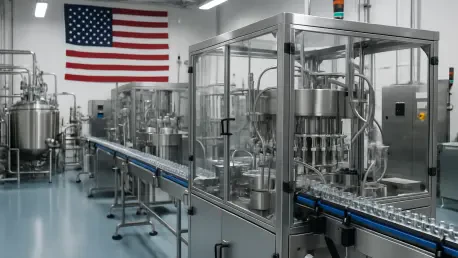
The sheer magnitude of the recent $600 billion pledge by pharmaceutical giants suggests a profound reconfiguration of how medicine is made and distributed within the United States. This tidal wave of capital, directed toward domestic manufacturing and research, arrives at a time when the industry is desperate to mitigate the risks associated with global supply chains. As these titans redirect their resources, they are not just building factories; they are attempting to insulate the American public from future disruptions while capitalizing on a favorable regulatory environment. This article explores the scale of these investments, the motivations driving them, and the underlying complexities that may hinder their immediate impact.
The Evolution of the U.S. Pharmaceutical Supply Chain
For decades, the pharmaceutical sector operated under a globalized mandate, seeking out low-cost labor and minimal overhead in overseas markets to maximize profit margins. This model served its purpose during periods of geopolitical stability, but the fragility of such a system became painfully apparent during recent global crises. Consequently, the industry is now pivoting toward “onshoring” as a defensive and offensive necessity. This transition marks a departure from the cost-first mentality of previous years, replacing it with a focus on pharmaceutical sovereignty and the security of knowing that life-saving drugs are produced within national borders.
The Mechanics of the $600 Billion Investment Wave
Strategic Pledges and the Transparency Gap
The financial commitments are led by a group of industry leaders, with Merck, Pfizer, Johnson & Johnson, AstraZeneca, and Roche each promising between $50 billion and $70 billion. AbbVie has taken the most aggressive stance, committing $100 billion over the next decade to bolster its domestic footprint. However, a closer look at data from commercial real estate firms reveals a significant transparency gap. Currently, only about 10% of these massive multi-year pledges are linked to specific construction projects or geographic locations. This suggests that while the intent is clear, the actual physical manifestation of this capital will take years to materialize.
The Interplay of Corporate Strategy and Federal Policy
The resurgence of domestic production is increasingly intertwined with political negotiation, where investment is used as a bargaining chip for regulatory favor. For example, the massive $100 billion commitment from AbbVie followed a strategic arrangement with federal authorities that exchanged domestic spending for tariff exemptions and more predictable drug pricing structures. This alignment indicates that corporate strategy is no longer just about meeting consumer demand; it is about navigating the halls of power. Furthermore, analysts remain cautious, noting that nearly half of these “new” funds might actually be recycled capital from projects that were already in the planning stages.
Operational Challenges and the Reliance on Outsourcing
Despite the enthusiasm for building new facilities, the industry faces significant friction in the form of a tightening labor market and the long lead times required for high-tech construction. Building a sterile, highly regulated pharmaceutical plant is not a fast process, and the shortage of specialized workers remains a persistent bottleneck. Interestingly, this has led to a record-breaking reliance on Contract Development and Manufacturing Organizations (CDMOs). Even as companies pledge billions for their own sites, 73% of recently approved drugs still rely on these third-party partners for active pharmaceutical ingredient production, highlighting a gap between future goals and current reality.
Emerging Trends and the Future of Pharmaceutical Production
To bridge the gap between their massive pledges and operational constraints, companies are moving toward more advanced, modular manufacturing systems. These “smart factories” utilize artificial intelligence and robotics to reduce the need for manual labor and increase the speed of production. We expect to see a shift toward smaller, more flexible facilities that can be rapidly repurposed for different drug types. As the 10-year average for drug approvals continues to rise, the pressure to modernize will only grow. This evolution suggests that the current investment wave is merely the beginning of a long-term technological overhaul of the entire manufacturing pipeline.
Strategic Takeaways for Industry Stakeholders
Stakeholders must navigate this high-stakes environment with a focus on agility and hybrid supply chain models. While the shift toward domestic production is undeniable, the total abandonment of external partnerships is neither practical nor immediate. Professionals in the sector should prioritize investments in workforce development and digital infrastructure to ensure that new facilities can actually be staffed and operated efficiently. Additionally, staying informed about the evolving relationship between federal incentives and corporate investment will be crucial for any organization looking to thrive in this new era of “onshored” life sciences.
Navigating a Landscape of High Potential and Uncertain Execution
The $600 billion movement represented a defining shift in the American industrial narrative, signaling a transition from global dependence to domestic resilience. Although the initial phase of this movement was marked by a lack of clarity regarding specific project locations, the financial momentum provided a necessary tailwind for economic growth. Stakeholders focused on bridging the labor gap and integrating automated technologies to ensure these massive capital outlays resulted in tangible production capacity. Ultimately, the success of this era was determined by the ability to turn political promises into operational realities, securing a more stable medicinal supply for the future.