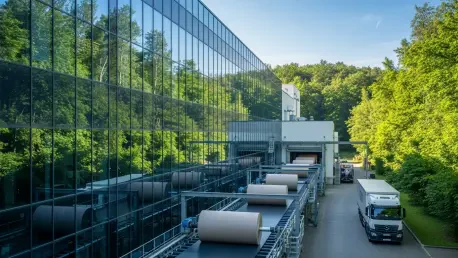

The global shift toward industrial autonomy has placed the European forest and paper sectors at the very heart of a burgeoning “Made in Europe” strategy designed to bolster regional resilience. As the European Union navigates a complex landscape of supply chain disruptions and volatile energy markets, the transition toward a bio-based economy represents a fundamental pivot away from external dependencies. By leveraging vast, sustainably managed timberlands and a sophisticated recycling network, the continent is attempting to redefine its industrial identity through the lens of circularity and technological sovereignty. This movement is not merely about environmental stewardship; it is a calculated economic maneuver to ensure that the materials driving modern commerce are sourced, processed, and reused within continental borders. The urgency of this transition is underscored by the need to decarbonize heavy industry while simultaneously maintaining a competitive edge against global counterparts who are also racing toward green manufacturing standards.
Strengthening the Circular Economy Framework
Advancing Material Recovery Systems
The current efficiency of paper packaging recycling within the European Union has reached a remarkable 87 percent, serving as a benchmark for other industrial sectors attempting to close the loop. To elevate this performance even further, industry advocates are pushing for the “mainstreaming” of separate collection systems across all member states to ensure that high-quality fiber is not contaminated by other waste streams. Such a systemic shift requires harmonized legislation that treats recycled paper and board not as refuse, but as a critical strategic resource essential for industrial continuity. By standardizing how municipalities collect and sort these materials, the industry can ensure a steady supply of secondary raw materials that meet the rigorous standards of modern high-speed paper machines. This optimization is vital for reducing the carbon footprint associated with sourcing virgin materials and for stabilizing the internal market against the fluctuations of global commodity pricing.
Building upon these collection improvements, the implementation of streamlined, digitally tracked shipment rules is becoming a cornerstone of the new circularity agenda. Digital passports and real-time tracking of material flows allow for a more transparent and efficient movement of recycled fibers across national borders within the EU, cutting through the bureaucratic red tape that often hinders the secondary materials market. When recycled content can move as freely as finished goods, the entire European ecosystem benefits from increased liquidity and lower logistical costs. This digital infrastructure also provides the data necessary to prove compliance with increasingly strict environmental regulations, offering a “green guarantee” to consumers and stakeholders alike. By treating every ton of recovered fiber as a high-value asset, the region reinforces its commitment to a self-sustaining industrial model that prioritizes long-term resource security over short-term gains.
Scaling the Bioeconomy through Substitution
The integration of the bioeconomy into the Clean Industrial Deal represents a strategic shift toward substituting fossil-based materials with sustainably sourced biomass. This strategy focuses on utilizing the unique properties of wood-based fibers to replace plastics and carbon-intensive synthetics in everything from food packaging to textile production. Contrary to periodic concerns regarding the depletion of natural landscapes, data from the Food and Agriculture Organization indicates that European forested areas have been expanding consistently since the 1990s. This steady growth provides a reliable foundation for a long-term supply of virgin fiber, which remains an indispensable component of the paper cycle. Since cellulose fibers naturally degrade and lose their structural integrity after multiple recycling loops, a continuous infusion of fresh, sustainably harvested biomass is required to maintain the strength and quality of the finished products used by industries today.
An updated EU Bioeconomy Strategy must provide the regulatory certainty needed for companies to invest in massive biorefinery projects that convert wood into high-value chemicals and materials. These facilities represent the next generation of industrial manufacturing, where the goal is to extract maximum value from every part of the tree, leaving virtually no waste. By aligning industrial policy with the natural growth cycles of European forests, the region can foster a unique competitive advantage that is difficult for resource-poor competitors to replicate. This approach also supports rural economies, providing stable employment in areas that might otherwise face economic decline. The synergy between high-tech processing and traditional forestry creates a robust value chain that starts in the woods and ends in high-end consumer products, all while maintaining a net-positive impact on the environment through carbon sequestration and responsible land management.
Driving Technological Leadership and Sovereignty
Investing in Manufacturing Excellence
European manufacturers currently hold a dominant position in the production of sophisticated machinery required for pulp and paper processing, as well as specialized sorting equipment. This technological edge is a vital component of the “Made in Europe” vision, as it ensures that the tools used to build a green economy are themselves products of regional innovation. Maintaining this lead requires a “smart, WTO-compliant” policy framework that encourages local procurement and supports domestic investment in research and development. By implementing minimum EU content rules for certain industrial projects, policymakers can provide the necessary confidence for engineering firms to expand their local operations and hire specialized talent. This creates a virtuous cycle where technological advancements in machinery lead to more efficient production processes, which in turn fuels the demand for even more advanced equipment designed and built within the Union.
The development of high-tech material recovery facilities, equipped with optical sensors and robotic sorting systems, exemplifies the intersection of traditional industry and modern digitalization. These facilities are essential for processing the complex waste streams generated by modern urban environments, ensuring that valuable fibers are captured with surgical precision. As global competition for raw materials intensifies, the ability to manufacture and deploy these advanced sorting technologies locally becomes a strategic imperative. It prevents the “leakage” of technological expertise to other regions and ensures that Europe remains the primary architect of the global circular economy. Furthermore, the export of these green technologies provides a significant boost to the trade balance, positioning European engineering as the gold standard for sustainability-focused industrialization across the globe during the 2026 to 2030 period.
Securing Strategic Autonomy through Innovation
Strategic sovereignty in the modern era is defined by the ability to maintain industrial output without being held hostage by external geopolitical tensions or fractured supply lines. By prioritizing bio-based materials and local recycling loops, the European paper industry offers a blueprint for how other sectors can reduce their reliance on imported fossil fuels and critical raw materials. This shift is supported by a robust network of research institutions and private-sector innovators who are constantly discovering new applications for cellulose-based products. From biodegradable electronics to advanced bio-composites for the automotive industry, the potential for wood-based innovation is vast and largely untapped. These developments are not just incremental improvements; they are transformative changes that decouple economic growth from the consumption of finite, imported resources, thereby securing the continent’s economic future.
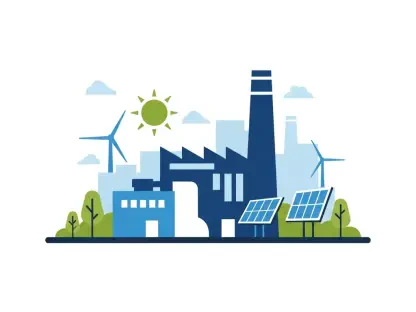
The focus on local autonomy also extends to the energy sector, where many paper mills are becoming self-sufficient by generating power from their own biomass residues. This circular energy model reduces the industry’s exposure to volatile natural gas prices and contributes to the overall stability of the European power grid. As mills transition into integrated energy hubs, they provide a reliable source of baseload renewable power that complements intermittent sources like wind and solar. This level of integration demonstrates that the paper and forest sectors are not just passive participants in the green transition, but active leaders who are redefining what it means to be a modern industrial powerhouse. By combining resource efficiency with energy independence and technological prowess, the “Made in Europe” strategy transforms a traditional industry into a forward-looking engine of sustainable and autonomous economic growth.
In light of the shifting global landscape, the path forward for the European paper and forest sectors involves a transition toward deeper integration within the broader industrial ecosystem. Stakeholders must prioritize the rapid adoption of digital material passports to ensure transparency across the entire value chain, while also advocating for harmonized waste regulations that eliminate regional bottlenecks. Investment should be directed toward dual-purpose facilities that function as both recycling centers and bio-refineries, maximizing the utility of every fiber processed. Policymakers and industry leaders were tasked with finalizing the framework for the Clean Industrial Deal, which served as the catalyst for these structural changes. By securing a reliable supply of bio-based materials and fostering local technological manufacturing, the region moved toward a more self-reliant and competitive future. These steps ensured that the industrial strategy was grounded in practical sustainability, providing a clear roadmap for long-term economic resilience and environmental leadership.