
The intricate metal components powering next-generation aerospace, medical, and clean energy systems now have a clear and actionable blueprint for shedding their heavy carbon footprint, thanks to pioneering research from the University of Modena and Reggio Emilia. A new study addresses the significant environmental impact of Laser Powder Bed Fusion (PBF-LB/M), a leading-edge manufacturing process. While celebrated for its ability to create complex, high-performance parts with minimal material waste, PBF-LB/M has long carried a hidden environmental cost due to its immense energy demand and reliance on carbon-intensive supply chains. This groundbreaking work, led by Dr. Giulia Colombini, moves the conversation beyond assumptions, providing the industry with its first comprehensive, data-driven strategy for decarbonization. Published in the journal Carbon Research, the study offers a realistic pathway for manufacturers to embrace truly responsible production without compromising the technological advantages that make this form of 3D printing so revolutionary.
1. Uncovering the Full Environmental Ledger
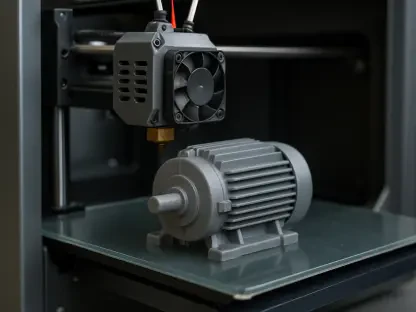
Laser Powder Bed Fusion of metals has been a transformative force in advanced manufacturing, enabling the creation of designs that were once impossible. By selectively melting fine metal powder with a high-powered laser, it builds components layer by layer, achieving unparalleled precision and significantly reducing material scrap compared to traditional subtractive methods. However, this efficiency in material use has long masked a much larger environmental impact. The process is incredibly energy-intensive, and the shielding gases used to protect the molten metal, typically argon, have a substantial carbon footprint. Furthermore, the supply chain has historically depended on virgin metal powders derived from raw material extraction, a process fraught with ecological consequences. Dr. Colombini’s team conducted the first rigorous cradle-to-gate life cycle assessment, meticulously mapping every major source of greenhouse gas emissions—from the initial extraction of resources to the moment a finished part is ready to leave the factory. This comprehensive analysis revealed that sustainability in this sector requires looking far beyond material savings and addressing the entire operational ecosystem.
2. A Practical and Phased Strategy for Decarbonization
The research team recognized that for any decarbonization plan to be effective, it must be practical and accessible to manufacturers operating in the real world. Rather than presenting an idealistic, all-or-nothing overhaul, they developed a tiered, cumulative action plan that allows factories to adopt changes incrementally based on their available resources and operational readiness. This pragmatic approach is designed to eliminate barriers to entry for sustainable practices. Each step in the proposed roadmap was carefully quantified under the internationally recognized GHG Protocol, ensuring that the environmental benefits of each action are transparent and measurable. This methodology transforms sustainability from an abstract goal into a series of concrete, manageable upgrades. The study’s core innovation lies in this fusion of rigorous environmental science with industrial pragmatism, turning complex data into a clear set of decisions that can be implemented directly on the shop floor. By publishing their findings in an open-access journal, the researchers have made this invaluable roadmap freely available to engineers, policymakers, and sustainability officers across the globe, aiming to accelerate its widespread adoption.
3. A Realistic Roadmap for Real World Factories
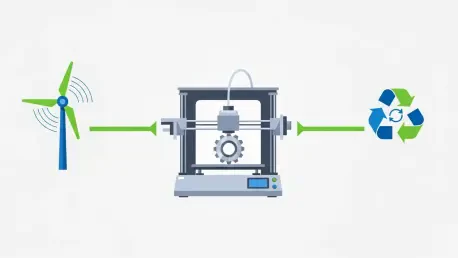
The tiered action plan outlines a clear, step-by-step pathway toward significant emissions reduction. The single most impactful change identified is the transition to renewable electricity, a move that can slash operational emissions by as much as 70%. The second step involves substituting the traditionally used argon shielding gas with nitrogen, a lower-impact and increasingly viable alternative in many applications. To further reduce the reliance on virgin materials, the third action encourages increasing the content of recycled metal powder in the manufacturing process, proving that circularity and high performance can be achieved simultaneously. The fourth recommendation targets the supply chain directly by advocating for the on-site generation of nitrogen gas, which eliminates the transport-related emissions and supply vulnerabilities associated with sourcing it from external suppliers. Finally, the fifth step focuses on design optimization, encouraging engineers to create components that not only meet functional requirements but are also designed to minimize build time and, consequently, the energy consumed per part. These actionable upgrades provide a versatile framework for immediate and future progress.
4. Precision Engineering Redefined by Responsibility
This landmark research from the Department of Engineering “Enzo Ferrari” provided a definitive blueprint that shifted the paradigm for high-performance manufacturing. The work established that the true measure of innovation would no longer be defined solely by the complexity of a component but by the cleanliness and responsibility of its production. The study demonstrated conclusively that laser powder bed fusion could be both a technological marvel and a vital environmental asset, proving that precision and sustainability are not mutually exclusive goals. Dr. Colombini and her team delivered an analytical and actionable framework that moved the concept of low-carbon metal production from an aspirational ideal to an attainable reality. This research created a new standard, showing that progress did not have to wait for some distant future technology but could be achieved today through smart, scalable, and transparent actions. The value of an advanced component was thus redefined, measured not just by its form and function but by the dramatically lighter footprint it left behind.