
With the global food system contributing to approximately one-third of all greenhouse gas emissions, the agricultural sector stands at a critical juncture, facing both immense pressure to reform and a unique opportunity to lead environmental solutions. The vast fields of corn that stretch across continents, long central to the global food supply, are now being viewed through a new lens—not merely as a source of sustenance and industrial ingredients, but as a potential powerhouse for carbon sequestration and climate resilience. A transformative shift is underway, moving from conventional farming methods toward regenerative agriculture, a holistic approach that aims to restore soil health, enhance ecosystems, and turn farmland into a net carbon sink. This evolution is driven by a growing understanding that the very soil beneath our feet holds a key to mitigating climate change, prompting industry leaders to invest in programs that support farmers in adopting more sustainable, climate-resilient practices.
A New Frontier for Sustainable Agriculture in Europe
In a landmark move to expand its environmental initiatives, global food ingredients company Tate & Lyle has launched a comprehensive regenerative corn farming program in France, marking a significant step in bringing large-scale sustainable agriculture to the European continent. This initiative establishes a collaborative framework with three major French agricultural cooperatives: Armbruster Grande Cultures, Euralis Groupe Coopératif, and Groupe Coopératif Maïsadour. These partnerships engage corn producers across the country’s vital northeastern and southwestern growing regions, covering thousands of hectares of farmland. The program is designed to directly support farmers as they transition away from conventional methods to a set of specific, soil-focused practices that promise to reduce the environmental footprint of corn production while simultaneously bolstering the long-term health and productivity of their land, creating a more sustainable foundation for a critical part of the food supply chain.
This French initiative is not an isolated effort but a strategic component of a larger global vision for sustainable sourcing, building upon the successes of similar regenerative agriculture programs already established for corn growers in the United States and stevia producers in China. According to company leadership, this approach represents a “win-win solution” that aligns environmental stewardship with sound business strategy. By promoting practices that enhance soil health and biodiversity, the program helps farmers build crucial resilience against the increasing volatility of climate change, such as extreme weather events like floods and droughts. In doing so, it also secures and strengthens the company’s own supply chain, ensuring a more stable and reliable source of raw materials. This dual benefit underscores a growing recognition within the industry that long-term business success is inextricably linked to the ecological health of the agricultural systems upon which it depends, ultimately enabling customers to help feed a growing global population more sustainably.
The Science of Soil Health and Carbon Sequestration
At the heart of this agricultural transformation is a suite of practices designed to fundamentally rebuild soil health and its capacity to sequester atmospheric carbon. A cornerstone of the program is the adoption of low- and no-till farming techniques. Unlike conventional plowing, which heavily disturbs the soil, these methods minimize mechanical agitation, leaving crop residue on the surface. This simple but profound change yields multiple benefits: it prevents the release of stored carbon into the atmosphere, reduces soil erosion from wind and water, and helps preserve the intricate structure of the soil. By keeping the soil intact, farmers foster a thriving underground ecosystem of microbes, fungi, and other organisms that are essential for nutrient cycling and carbon storage. This approach effectively allows the soil to act more like a natural sponge, improving water infiltration and retention, which is critical for crop resilience during periods of drought.
Complementing the reduction in soil disturbance are two other vital techniques: the strategic planting of cover crops and the implementation of advanced nitrogen management. Cover crops, such as clover or rye, are planted between cash crop cycles rather than leaving the soil bare. These crops protect the land from erosion, suppress weed growth naturally, and, upon decomposition, enrich the soil with valuable organic matter. Furthermore, their root systems help to improve soil structure and aeration. Simultaneously, the program emphasizes advanced nitrogen management to curb the use of synthetic fertilizers. These fertilizers are a major source of nitrous oxide, a greenhouse gas nearly 300 times more potent than carbon dioxide. By optimizing fertilizer application through precise timing and placement, farmers can significantly reduce emissions and prevent nutrient runoff into waterways, all while maintaining or even improving crop yields and enhancing the overall environmental performance of their farms.
Harnessing Technology for Environmental Accountability
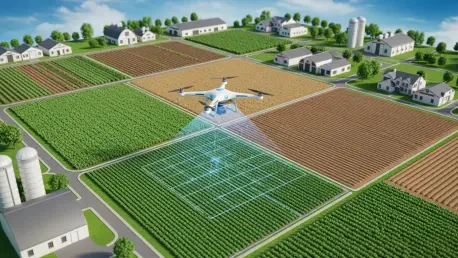
To ensure the program’s environmental benefits are both measurable and verifiable, technology plays a pivotal role. The initiative leverages an advanced, AI-powered software platform from Regrow Ag, a firm specializing in agricultural monitoring and sustainability metrics. This platform is instrumental in quantifying the environmental impacts of the newly adopted farming methods, translating on-farm actions into concrete data. It uses sophisticated modeling, satellite imagery, and soil science to accurately assess changes in soil organic carbon, greenhouse gas emissions, and water quality. This move toward data-driven validation marks a critical evolution in corporate sustainability, allowing companies to move beyond pledges and provide transparent, science-backed evidence of their progress. For Tate & Lyle and its customers, this verifiable data is essential for accurate environmental reporting and for demonstrating tangible contributions to climate action goals.
The implementation of this advanced software platform creates a powerful feedback loop for continuous improvement on the ground, functioning as more than just a reporting tool. The technology provides direct, actionable insights to the participating farmers, who work alongside local agronomists to analyze the data and refine their agricultural plans. This collaborative approach empowers farmers to make informed decisions that optimize both their environmental impact and their operational efficiency. They can precisely monitor trends on their land, understand the effects of different practices, and adapt their strategies for better outcomes. This level of granular data provides the robust documentation needed to satisfy the increasing demand from consumers and regulators for supply chain transparency. It effectively bridges the gap between on-farm practices and corporate sustainability claims, creating a fully integrated and accountable system that benefits every stakeholder, from the farmer in the field to the end consumer.
Cultivating a Sustainable Legacy
The successful integration of regenerative practices and advanced technology in French corn farming ultimately provided a powerful blueprint for the global food industry. This initiative demonstrated that large-scale, collaborative sustainability was not only feasible but also commercially astute. By creating a model that supported farmers through education, partnership, and technological assistance, the program overcame common barriers to the adoption of new agricultural methods. It proved that environmental stewardship could be seamlessly woven into the fabric of a major supply chain, fostering a system that was more resilient to the shocks of a changing climate. The verifiable data on reduced emissions and enhanced soil carbon sequestration offered a new standard for corporate accountability, influencing how other companies approached their own sourcing and sustainability goals. This effort left a lasting impact, showing that agriculture could be a central part of the climate solution and that a more sustainable future was cultivated through shared vision and collective action.