
The intricate machinery of modern industrial food production functions as a silent symphony where chemistry, biology, and engineering converge to satisfy the nutritional demands of a global population. In the current landscape of 2026, the transition from a culinary concept to a shelf-stable product sold in thousands of retail outlets requires more than just a recipe; it necessitates a rigorous scientific framework. This reality became tangible for students of the Louisiana State University Food Science Club during a recent industrial tour of the Diversified Foods and Seasonings manufacturing plant in Madisonville, Louisiana. As a critical hub that produces batters, breadings, and sauces, the facility exemplifies how large-scale operations maintain consistency and safety. This specific site, along with its counterpart in Alabama, provides the essential ingredients that fuel the entire network of Popeyes restaurants across the United States. Such operations highlight the immense scale of modern logistics and the technical precision required to keep the food supply chain functioning without interruption.
From Culinary Concept to Industrial Reality
The journey of a new food product often begins in the sterile environment of a test kitchen, where the bridge between consumer desire and mass manufacturing is first constructed. At the Madisonville facility, students observed how professional culinary teams analyze current marketing trends to develop specific flavor profiles, such as the distinctive seasoning blends found in modern fried chicken sandwiches. This phase is not merely about taste; it involves predicting how a sauce or coating will behave when subjected to the pressures of high-volume industrial equipment. Every ingredient must be vetted for its ability to withstand the thermal processing and mechanical mixing inherent in a large-scale factory setting. Furthermore, the development team must ensure that these products remain appealing after weeks of transportation and storage. By integrating market data with chemical analysis, developers create prototypes that are both delicious and commercially viable, ensuring that the final output meets the strict expectations of both the corporate clients and the end consumers who frequent national restaurant chains.
Beyond flavor development, the application of food science is most visible in the manipulation of physical and chemical properties to ensure product safety and longevity. Experts at the plant demonstrated how adjusting pH levels and water activity serves as a primary defense against the proliferation of harmful pathogens and spoilage microorganisms. By lowering the water activity in a sauce or increasing the acidity of a side dish, manufacturers can create shelf-stable items that remain safe for consumption for months without the need for constant refrigeration. This scientific foundation allows industrial producers to distribute goods across vast geographical distances while maintaining the highest quality standards. The ability to control these variables ensures that every batch produced is identical to the last, preventing the variations that might otherwise occur in a domestic kitchen. In 2026, these techniques have become increasingly sophisticated, utilizing real-time sensors to monitor chemical balances throughout the production cycle. This proactive approach to microbiology is what enables the massive throughput required to satisfy the daily demands of the American fast-food industry.
Operational Rigor and Quality Assurance
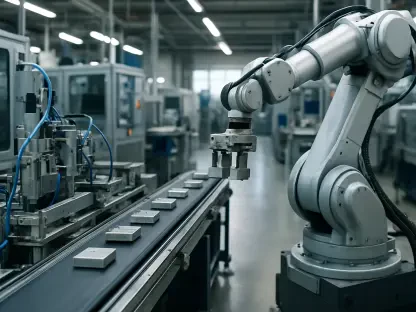
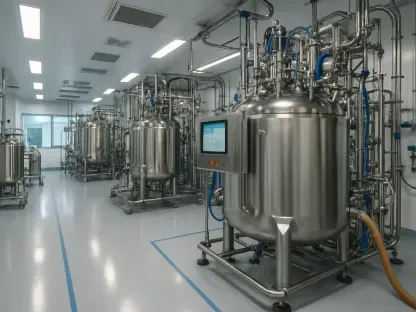
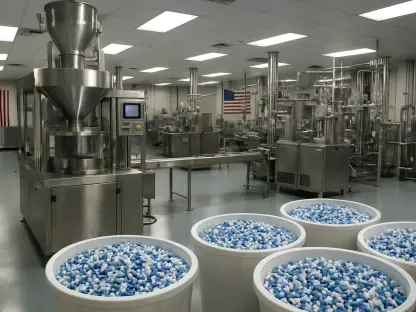
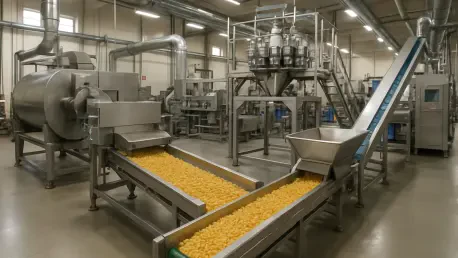
The actual production floor of a modern manufacturing plant is a marvel of automation and logistical coordination, where manual labor is largely replaced by precision machinery. During the industrial tour, observers witnessed the complex processes involved in blanching macaroni and the high-speed automated systems used for packaging finished sauces. To maintain a sterile environment, all personnel and visitors followed stringent safety protocols, which included wearing protective gear such as hair nets, lab coats, and hard hats. These Good Manufacturing Practices (GMPs) are the backbone of the industry, ensuring that no external contaminants compromise the food. The facility is divided into specialized temperature zones, which are vital for preventing microbial growth during different stages of processing. This compartmentalization allows for a continuous flow of materials while keeping raw ingredients isolated from cooked or finished products. Such meticulous organization is necessary to manage the sheer volume of output, where thousands of pounds of product are moved every hour. The integration of robotics and digital tracking further enhances the efficiency of these lines, allowing for rapid adjustments based on real-time production needs.
The final inspection within the quality control laboratory solidified the connection between academic theory and the practical realities of the global food supply chain. Technicians tested every batch for specific parameters, including salt concentration, viscosity, and thickness, ensuring that no product left the facility unless it met the exact specifications of the client. This experience provided students with a clear vision of their future career paths in research and development or quality assurance, highlighting the critical nature of their field. However, the visit also identified persistent challenges that the industry sought to address, particularly the need for more efficient waste minimization and the maintenance of absolute temperature consistency across aging infrastructures. Moving forward, the industry must prioritize the adoption of AI-driven predictive maintenance to prevent downtime and implement more sustainable closed-loop processing systems. By focusing on these technological upgrades and refining microbial control measures, manufacturers can improve both their environmental footprint and their operational resilience. The visit ultimately proved that the future of food safety relies on constant scientific vigilance and the integration of emerging digital tools.