
The rapid evolution of additive manufacturing has transitioned from a niche prototyping phase into a cornerstone of modern industrial production, requiring a level of precision and collaboration previously reserved for traditional machining. The Spring Technical Review & Exchange, widely known as TRX, serves as the primary conduit for this transformation by gathering the brightest minds in the sector to address the most pressing challenges of 3D printing technology. Hosted in Boston, Massachusetts, from April 14 to 16, 2025, the event was strategically co-located with the RAPID+TCT conference at the Thomas M. Menino Convention & Exhibition Center to maximize cross-disciplinary synergy. This positioning allowed stakeholders to engage directly with researchers and project leaders who were defining the trajectory of additive manufacturing research and development. By bridging the gap between theoretical labs and factory floors, the gathering facilitated a unique exchange of ideas that solidified its reputation as a vital catalyst for ongoing technological progress.
Technical Synergy: Bridging Research and Aerospace Application
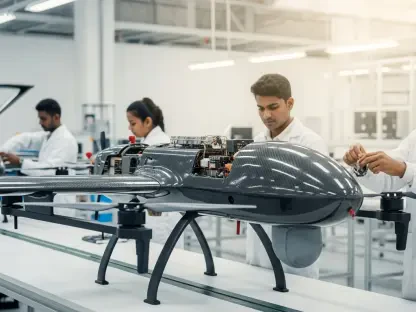
High-level technical presentations served as the centerpiece of the morning sessions, where experts like Andy Perry from GE Aerospace provided deep dives into the rigorous requirements of industrial qualification. These discussions were not merely academic; they tackled the concrete difficulties of qualifying aerospace components where safety and reliability are non-negotiable parameters. For instance, the transition from experimental builds to flight-ready hardware requires a level of process control that necessitates real-time monitoring and advanced data analytics. Dr. Dennis Butcher of the Air Force Research Laboratory further enriched this dialogue by discussing agile composite structures, highlighting how flexibility in design can coexist with structural integrity. These sessions provided a roadmap for integrating additive techniques into existing supply chains, ensuring that new parts meet the stringent standards of the defense and aviation industries. This rigorous approach is essential for scaling the technology into mass production effectively.
The afternoons at the event were designed to complement these theoretical discussions by allowing attendees to transition into the broader RAPID+TCT expo floor to witness breakthrough technologies in action. This deliberate structure ensured that the insights gained from technical presentations could be immediately contextualized within the current landscape of commercially available hardware and software. Dr. Brian Fisher of RTX offered a detailed consolidated approach to additive manufacturing qualification, which resonated with many participants looking for streamlined paths to market. By observing real-world applications and interacting with the latest 3D printing equipment, engineers and business leaders were able to visualize how consolidated qualification strategies might be implemented within their own organizations. This dual-focus approach narrowed the distance between high-level research and practical industrial implementation, fostering an environment where innovation is measured by its utility and its ability to solve persistent manufacturing bottlenecks.
Foundations of Reliability: Establishing Standards and Developing Talent
A fundamental component of the technical exchange involved the AM Standards Workshop, a specialized session dedicated to harmonizing specifications across various manufacturing sectors. The workshop focused heavily on Laser Beam Powder Bed Fusion (PBF-LB) specifications, which remain a primary focus for many industrial applications due to their precision and material versatility. Participants engaged in intense discussions regarding powder requirements and the consistency of post-processed materials, recognizing that standardization is the only viable path toward widespread adoption. By bridging the gaps between aviation and defense standards, the workshop aimed to create a unified framework that reduces the cost of qualification while enhancing the reliability of the printed parts. This movement toward industry-wide synchronization highlights a critical trend where the focus shifts from the novelty of the process to the maturity of the material outcomes. Establishing these rigorous material baselines is necessary to instill confidence in engineers who are looking to replace legacy components.
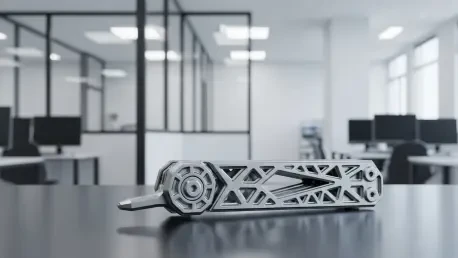
Cultivating the next generation of engineers remains a high priority for the additive manufacturing community, as demonstrated by the spotlight on the current 2026 Additive in Steel competition. This initiative invites university teams to design and test functional multi-tools, pushing the boundaries of what is possible with steel additive manufacturing. By providing students with a platform to showcase their technical prowess, the competition serves as a vital bridge between academic learning and industrial practice. Organizers provided significant incentives for participation, including complimentary expo passes and substantial discounts on conference registration, to ensure that financial barriers did not hinder the involvement of emerging talent. This strategic investment in human capital ensures a steady influx of skilled professionals who are comfortable working with complex geometries and advanced metallurgy. Furthermore, the competition emphasizes the practical application of steel printing, proving that additive technology is increasingly capable of handling durable components.
Strategic Advancement: Addressing Bottlenecks and Future Directions
The collective efforts observed during the event demonstrated a clear commitment to solving the technical bottlenecks that have historically limited the growth of 3D printing in critical sectors. Leaders from across the industry identified that material specification and process repeatability were the primary hurdles that required immediate attention to move toward a more resilient manufacturing ecosystem. By fostering a collaborative environment where competitors shared insights on qualification and standardization, the gathering paved the way for more integrated supply chains. The actionable steps taken during these sessions, particularly the focus on harmonizing powder bed fusion standards, provided a solid foundation for companies to accelerate their adoption of advanced manufacturing techniques. Stakeholders focused on the importance of continued cross-sector dialogue to ensure that the progress made in aerospace could be adapted for medical, automotive, and energy applications. The event successfully transitioned the conversation from the potential of additive manufacturing to execution.