
The very fabric of our built environment is undergoing a profound transformation, driven by an urgent need for sustainability and the relentless advance of technology that challenges architects and designers to reconsider materials not just for their aesthetic qualities, but for their entire lifecycle. This paradigm shift will be a central focus at the upcoming Surface Design Show at London’s Business Design Centre this February, an event poised to become a pivotal moment for the industry. Under the guiding theme of “Material Evolution,” the show will convene over 100 international exhibitors dedicated to showcasing groundbreaking innovations in inventive reuse, circular systems, and sustainable sourcing. The event is set to be more than a simple trade fair; it is a critical platform for industry professionals to see, specify, and source the next generation of internal and external surface materials, encouraging a fundamental change in perspective from a linear model of consumption and waste to one of circularity and inherent worth. It promises to be an essential gathering for anyone invested in the future of architecture and design.
A Strategic Alliance for Industry Advancement
A significant development elevating the discourse for this year’s event is a new strategic partnership with the Royal Institute of British Architects (RIBA), a collaboration that seamlessly integrates key professional development events into the show’s schedule. This alliance transforms the venue into a comprehensive hub for industry dialogue, innovation, and leadership. The first of these integrated events, the RIBA Future Leaders program, will take place on Tuesday, February 3. This dedicated initiative is meticulously designed to equip emerging architects with the vital skills necessary for navigating and leading in an increasingly complex and competitive field. By embedding this program within the larger show, the partnership creates a unique and powerful synergy. It provides the next generation of architectural leaders with direct access to the cutting edge of material science and design innovation, allowing them to forge connections with exhibitors and ground their developing leadership philosophies in the tangible progress being made across the industry.
The technological apex of this collaboration will be reached on Wednesday, February 4, with the second edition of the RIBA AI in Practice Summit. This high-profile gathering is anticipated to draw more than 500 architects and industry experts to explore the frontier of artificial intelligence and its rapidly expanding role in architecture. With a lineup of world-renowned speakers, the summit will delve into how AI is moving beyond a theoretical concept to become a practical and powerful tool in the design process. Discussions will likely span topics from generative design algorithms that can create thousands of optimized building options to predictive analytics for material performance and sustainability. This focus on AI directly addresses how technology is reshaping surface design, offering a glimpse into a future where machine learning can help discover novel materials, automate complex fabrication processes, and create surfaces that are not only aesthetically pleasing but also intelligent, responsive, and fully integrated into circular economic systems.
Celebrating Innovation and Fostering Connections
The thoughtful integration of the RIBA events is engineered to create a dynamic and continuous flow of industry professionals across the exhibition floor, fostering an environment ripe for collaboration and discovery. This structure ensures that the architects, designers, and emerging leaders attending the summits are not siloed from the material innovations on display. Instead, they are encouraged to immerse themselves in the curated showcase, allowing the theoretical insights gained from sessions on leadership and AI to be immediately contextualized by the physical products and systems presented by exhibitors. This creates unparalleled networking opportunities, sparking conversations that bridge the gap between abstract concepts and practical applications. The synergy between the educational components and the commercial exhibition floor is designed to accelerate the adoption of new technologies and sustainable practices, as decision-makers are exposed to a comprehensive ecosystem of ideas, expertise, and innovative solutions all under one roof.
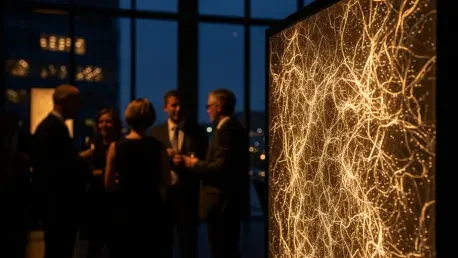
Crowning the celebration of industry progress is the 14th annual Surface Design Awards, an event dedicated to championing global excellence in material innovation and design. For this year, the awards feature a refreshed evaluation process and 10 updated categories, reflecting the evolving priorities of the architecture and design community. The competition serves as a critical benchmark for quality and forward-thinking, honoring projects that demonstrate an exceptional and inventive use of materials. The prestige of the awards is further solidified by a distinguished judging panel, which includes prominent figures such as RIBA President Muyiwa Oki and Tim Bowder-Ridger of the acclaimed firm Conran and Partners. The winners will be announced and celebrated at a reception on the evening of Wednesday, February 4, providing a fitting climax to the day’s AI summit and serving as a major networking event that brings together the industry’s brightest minds to recognize and applaud the very best in contemporary surface design.
The Synthesis of Vision and Tangible Progress
The event ultimately represented a crucial synthesis of forward-thinking vision and tangible industrial progress. It was not merely a showcase of new products but a curated experience that demonstrated a clear and actionable roadmap for the future of the built environment. The strategic convergence of next-generation leaders, artificial intelligence pioneers, and material innovators catalyzed critical dialogues that moved the industry beyond aspiration and toward implementation. The conversations and collaborations initiated within the venue established a new agenda, one where technology was positioned not as a disruptive force but as an essential enabler of sustainable and circular design principles. The showcase revealed a future where the value of a material was defined less by its novelty and more by its intelligence, its environmental footprint, and its capacity to contribute positively to both human well-being and the health of the planet.