
The Digital DilemmBalancing E-Commerce Growth with Agricultural Safety
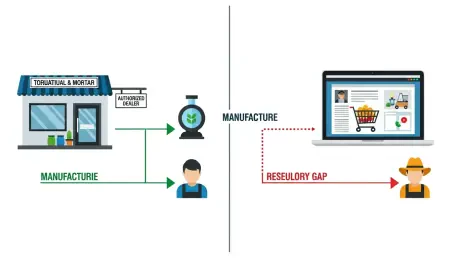
The rapid expansion of India’s digital economy has opened new frontiers for commerce, but it has also created significant regulatory challenges in sensitive sectors. India’s pesticide industry is now at the forefront of a critical debate, issuing an urgent call for the government to establish a robust framework for the online sale of crop protection products. Stakeholders are raising alarms over a growing regulatory gap that allows e-commerce platforms to operate with far less scrutiny than their traditional brick-and-mortar counterparts. This article delves into the mounting concerns over counterfeit products, the absence of traceability, and the potential risks to farmers, exploring the industry’s demand for immediate and comprehensive legislative action to ensure quality, safety, and accountability across all sales channels.
From Physical Shelves to Digital Carts: The Unregulated Evolution of Pesticide Sales
For decades, India’s ₹26,000 crore domestic pesticide market has been governed by the Insecticides Act of 1968, a stringent law that meticulously regulates the manufacture, sale, and distribution of these chemicals. The traditional supply chain is built on a foundation of licenses and accountability, ensuring that only authorized and genuine products reach farmers. However, the meteoric rise of e-commerce has introduced a parallel, largely unregulated marketplace for these same products. This digital shift has outpaced existing legislation, creating a new sales ecosystem that operates without established checks and balances, posing a significant threat to agricultural security and the welfare of the farming community.
Identifying the Cracks in the Digital Supply Chain
The Principal Authorization Certificate: A Critical Loophole in Online Accountability
A cornerstone of the offline regulatory system is the Principal Authorization Certificate (PAC). Under existing rules, a retailer must obtain a PAC directly from a pesticide manufacturer to be licensed to sell its products, creating a clear chain of accountability. The industry body CropLife India has identified a critical loophole: the Insecticides Act of 1968 makes no mention of e-commerce, and therefore, this mandate is not applied to sellers on digital platforms. This omission effectively allows online marketplaces to list and facilitate the sale of pesticides without verifying the seller’s legitimacy or the product’s authenticity, creating fertile ground for unauthorized vendors and the potential proliferation of counterfeit goods.
Disparities in Compliance: Warehousing and Licensing Inconsistencies
The regulatory disparity extends beyond sales authorization to fundamental operational requirements. In the traditional offline model, every entity that stores, handles, or distributes pesticides must possess a valid license for its premises, ensuring safe handling and storage protocols are followed. In contrast, many inventory-based e-commerce models, where the platform stores products in its own warehouses before dispatch, often operate without these specific, legally mandated licenses. This inconsistency creates an unlevel playing field and, more importantly, a significant gap in safety and quality assurance, as large volumes of sensitive chemicals may be stored and handled outside the purview of regulatory oversight.
The Legislative Gap: A Missed Opportunity in the Draft Pesticides Management Bill
While the industry looks to the future, the proposed legislative solution—the draft Pesticides Management Bill, 2025—appears to fall short of addressing the core issue. Industry leaders acknowledge that the bill rightly emphasizes digital governance and traceability to combat counterfeit products. However, they point to a glaring omission: the draft fails to include any explicit provisions defining the roles and responsibilities of online sales platforms. This is widely seen as a major missed opportunity to modernize India’s legal framework and create a comprehensive regulatory structure that reflects the realities of a digitally integrated marketplace, leaving the existing loophole unaddressed.
Charting a New Course: Legal Action and the Push for Unified Regulation
In the absence of a clear regulatory directive, the pesticide industry has begun taking matters into its own hands. Ankur Aggarwal, Chairman of CropLife India, confirmed that member companies have issued legal notices to e-commerce platforms for enabling unauthorized sales and, in some cases, have filed lawsuits that resulted in court-ordered removals of specific listings. While these actions provide temporary relief, they are reactive and piecemeal. The future direction is a proactive, unified push for systemic change. The emerging consensus, echoed by government officials like Agriculture Commissioner P. K. Singh, is that the responsibility for quality and compliance must be shared between manufacturers and the e-commerce platforms that provide market access, heralding a future where collaborative governance is paramount.
Forging a Secure Digital Future: Recommendations for a Regulated Marketplace
The analysis reveals several urgent takeaways. The current regulatory ambiguity cannot continue, as it compromises farmer safety and undermines the integrity of the agricultural supply chain. To address this, industry and government stakeholders have outlined a clear, two-pronged strategy. The immediate recommendation is for the government to issue a directive making the provisions of the current Insecticides Act of 1968 unequivocally applicable to all e-commerce platforms. The long-term, more sustainable solution is to amend the new Pesticides Management Bill to explicitly incorporate and regulate online sales channels, ensuring a level playing field and permanent accountability for all market participants.
A Unified Call for Accountability
The core message from India’s pesticide industry is unambiguous: the digital marketplace for agricultural inputs can no longer operate in a regulatory gray area. The risks posed by counterfeit, substandard, or improperly handled products are too great to ignore. The path forward requires a decisive and collaborative effort to extend established principles of safety, traceability, and accountability to the online world. By closing the existing legislative loopholes and fostering a shared sense of responsibility between manufacturers and e-commerce giants, India can ensure that technological advancement supports, rather than subverts, the safety and prosperity of its vital agricultural sector.