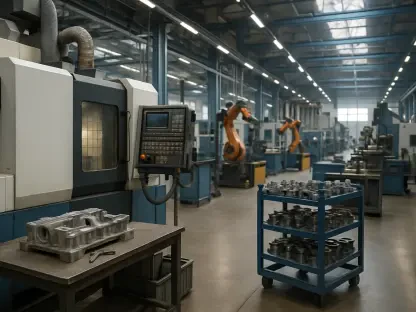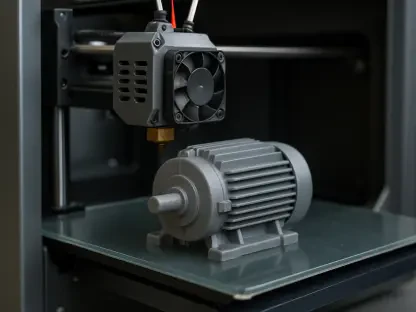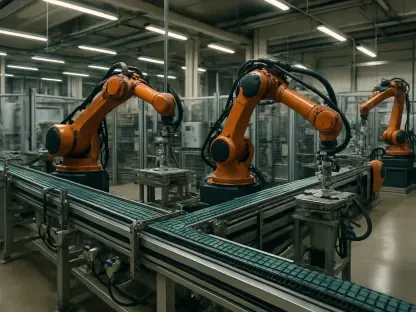

Sandvik AB has navigated a complex global environment characterized by shifting trade policies and geopolitical tensions to emerge as a significantly more lean and digitally integrated industrial powerhouse than in previous cycles. The release of the 2025 Annual Report confirms that the Stockholm-based engineering giant successfully concluded its ambitious “Shift Strategy,” a multi-year blueprint designed to transition the company from a traditional equipment manufacturer into a high-tech solution provider. This transformation was not merely theoretical but was grounded in tangible operational changes that allowed the group to record substantial growth in both orders and revenue despite significant currency headwinds and a volatile macro-economic climate. By prioritizing automation, electrification, and digitalized manufacturing, Sandvik has effectively repositioned its entire value proposition to meet the demands of an era where software and hardware are increasingly inseparable in heavy industry. The 2025 results underscore a high level of agility within the corporate structure, proving that strategic reorganization can yield results even when external market conditions remain unpredictable.
Financial Resilience and Market Adaptability
Operational efficiency remained the cornerstone of the company’s fiscal performance throughout the year, enabling it to weather a variety of external pressures that might have sidelined less prepared competitors. Sandvik reported a robust 11% growth in organic order intake, alongside a 5% increase in revenues when calculated at fixed exchange rates, demonstrating that the demand for its specialized engineering services remains strong across global markets. Although the adjusted operating margin of 19.3% was nearly identical to the figures from the previous twelve-month period, this stability is a testament to the company’s rigorous internal cost controls. CEO Stefan Widing noted that while currency fluctuations presented persistent challenges, the underlying strength of the core business remained intact. This financial steadiness provided the necessary capital to continue reinvesting in high-growth areas, ensuring that the company did not have to sacrifice its long-term innovation goals for short-term balance sheet appearances during a period of industrial uncertainty.
The ability to successfully navigate international trade barriers was perhaps the most impressive aspect of the company’s financial management strategy during the 2025 fiscal year. Sandvik proactively addressed the imposition of various tariffs by implementing swift surcharges and pricing adjustments across its business segments, effectively mitigating the total impact of these trade restrictions. This move demonstrated not only a deep understanding of global supply chain logistics but also a high degree of pricing power that stems from the critical nature of the company’s products. By ensuring that margins were protected against rising costs associated with trade friction, Sandvik maintained the cash flow necessary to fuel its ongoing transformation. This proactive stance allowed the organization to maintain a competitive edge even as other manufacturers struggled with the sudden onset of protectionist policies. Such agility in financial planning has become a defining characteristic of the company’s modern identity, allowing it to turn potential liabilities into manageable operational variables.
Pioneering Digital and Software Solutions
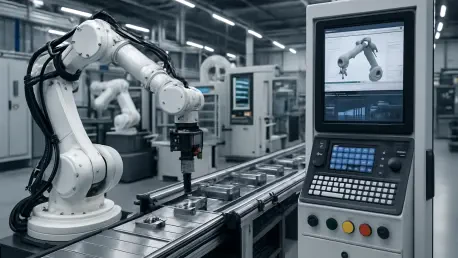
Innovation continues to serve as the primary engine for the group’s evolution, as evidenced by a substantial investment of SEK 4.5 billion into research and development over the course of the year. This capital was strategically funneled into high-tech domains such as advanced materials, electrification, and automated systems, marking a deliberate departure from the company’s historical focus on purely mechanical hardware. By dedicating 3.8% of group revenues to R&D, Sandvik ensured that its product pipeline remains populated with next-generation tools that solve the specific efficiency problems faced by modern industrial clients. This commitment to technical excellence is not just about maintaining a competitive lead; it is about defining the standards for the industry as it shifts toward more sustainable and intelligent operational models. The results of these investments are increasingly visible in the group’s ability to offer integrated systems that provide real-time data analytics alongside physical performance, creating a more holistic and valuable experience for the end-user.
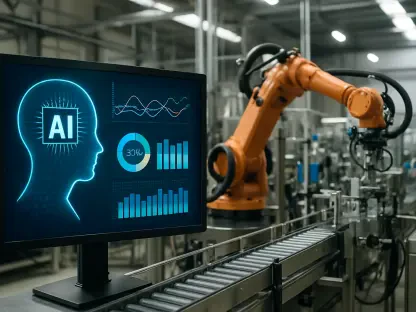
By the conclusion of 2025, the company’s digital and software portfolio had reached a significant revenue milestone of SEK 5.5 billion, reflecting a profound shift in its fundamental business model. The integration of artificial intelligence across internal operations and customer-facing solutions has moved beyond the experimental phase and is now a functional reality that drives significant business value. AI tools are currently being utilized to optimize logistics, enhance the precision of machining processes, and provide predictive maintenance alerts that drastically reduce downtime for mining and manufacturing clients. This transition toward becoming a software-centric organization allows Sandvik to capture higher margins and build more resilient, subscription-based revenue streams that are less susceptible to the cyclical nature of traditional equipment sales. The growth of this segment highlights how the organization has successfully identified digitalization not merely as a trend, but as a core component of its future profitability, enabling it to offer smarter and more adaptive solutions in a competitive market.
Analyzing Business Segment Performance
The performance of various business units during 2025 revealed a clear divergence in market demand, with high-tech sectors significantly outpacing traditional industrial areas. While the general engineering and automotive sectors experienced a period of relative stagnation due to broader economic cycles, the aerospace and defense segments emerged as primary growth engines for the machining and intelligent manufacturing divisions. Aerospace, in particular, benefited from a massive multi-year backlog of aircraft manufacturing, while defense saw increased global investment driven by recent geopolitical shifts. Recognizing these distinct trajectories, Sandvik made the strategic decision at the start of 2026 to split these areas into separate business units. This structural change was designed to increase financial transparency and allow for more focused investment in the specific technologies required by each sector. By isolating these growth areas, the company can more effectively tailor its strategies to capture the unique opportunities presented by the specialized needs of the aerospace and defense industries.
The mining and rock processing segment also delivered an exceptional performance, characterized by a 17% increase in organic order intake and a staggering 46% surge in the mining equipment sub-segment. This growth was largely driven by the mining industry’s increasing reliance on digital technologies and automation to improve safety and productivity in deep-earth operations. The aftermarket and digital mining divisions also posted double-digit gains, underscoring the long-term value of the company’s service-based offerings. Meanwhile, the rock processing division maintained steady growth through a combination of strategic pricing and successful tariff mitigation, proving that even more traditional heavy industry units can benefit from modern management techniques. The overall success of these segments highlights the effectiveness of the company’s focus on niche, high-value markets where its technical expertise provides a significant barrier to entry for competitors. This concentrated strength in mining and infrastructure provides a stable foundation for the group as it continues to expand its digital capabilities globally.
Strategic Portfolio Overhaul
The finalization of the “Shift Strategy” in 2025 involved a comprehensive overhaul of the company’s portfolio, resulting in a leaner and more focused corporate structure. Over the course of this transformation, Sandvik divested or spun off legacy businesses worth approximately SEK 30 billion while simultaneously acquiring companies with a combined revenue of over SEK 22 billion. In the 2025 calendar year alone, the group completed 11 strategic acquisitions, specifically targeting firms that lead in computer-aided manufacturing, 3D metrology software, and advanced recycling equipment. These moves were not merely about increasing the size of the company, but about intentionally shifting the asset base toward high-margin, high-tech sectors that offer superior growth potential. By shedding lower-growth assets and integrating specialized software providers, Sandvik successfully repositioned itself at the forefront of the technology shifts currently redefining heavy manufacturing. This disciplined approach to portfolio management has created a group that is better equipped to handle the complexities of the modern industrial landscape.
The strategic reorganization executed during the prior period established a clear trajectory for the organization to pursue as it entered the current year. Leaders focused on consolidating the gains from recent acquisitions by ensuring that new digital capabilities were fully integrated into the existing sales and service networks. This approach helped create a more unified customer experience, where hardware and software solutions were delivered as a single, cohesive package. The company also prioritized the expansion of its recycling and sustainability services, recognizing that resource efficiency has become a critical requirement for global industrial clients. By the time the 2025 reporting cycle concluded, the group had successfully moved away from the volatile boom-and-bust cycles of traditional equipment sales toward a more stable, technology-driven revenue model. Moving forward, the organization remained committed to leveraging its newfound agility and digital expertise to explore emerging opportunities in the green energy and autonomous logistics sectors. This forward-looking stance ensured that the company was not just reacting to changes in the market, but actively participating in the creation of the next industrial era.