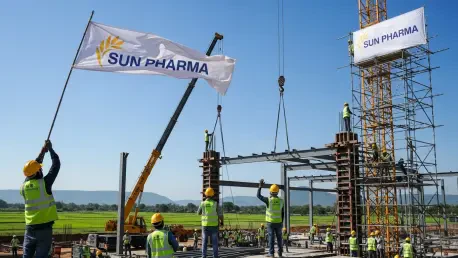

What does it take for a pharmaceutical titan to pour $332 million into a new facility while staring down the barrel of regulatory scrutiny? Sun Pharma, India’s leading drugmaker, is capturing attention with a daring investment in Madhya Pradesh, India, even as it wrestles with significant challenges from the U.S. Food and Drug Administration (FDA). This high-stakes gamble isn’t just about building a factory; it’s a vivid illustration of ambition clashing with adversity in an industry where every move is watched by millions who depend on affordable, safe medicines. The story unfolding here is one of grit, strategy, and the unrelenting pressure to deliver.
Why This Move Matters
The pharmaceutical world is a linchpin of global health, and Sun Pharma stands as a key player with a sprawling network of 41 facilities across six continents. The decision to invest a staggering $332 million in a new formulations plant in Madhya Pradesh isn’t a mere footnote in corporate ledgers. It signals a deeper intent to bolster domestic production at a time when supply chains are under intense strain and governments worldwide push for localized manufacturing. More than that, this project promises to create 2,000 jobs, embedding Sun Pharma further into India’s economic fabric. For those watching the industry, this isn’t just about growth—it’s about navigating a tightrope of opportunity and risk in a landscape shaped by regulation and geopolitical shifts.
The Heart of the Expansion
The Madhya Pradesh facility, backed by a capital expenditure of INR 3,000 crores, represents a bold step forward for Sun Pharma. This greenfield project aims to ramp up production capacity, complementing an already robust network of 27 finished dosage and 14 active pharmaceutical ingredient (API) plants worldwide. Industry observers see this as a strategic play to meet soaring global demand for generic and specialty drugs, especially as healthcare systems grapple with access and affordability. The scale of this investment underscores a commitment to staying ahead in a fiercely competitive market.
Yet, the road to expansion is far from smooth. Sun Pharma is also eyeing growth in the U.S. market to hedge against potential tariffs and policies like the Most Favored Nation (MFN) drug pricing under current political discussions. Financial pressures add another layer of complexity, with a reported debt increase of INR 28 billion following the acquisition of Checkpoint Therapeutics. Analysts at Nuvama Institutional Equities highlight uncertainties tied to the U.S. Department of Commerce’s ongoing investigations, though a temporary pause on certain tariff decisions offers a sliver of breathing room. This delicate balancing act between ambition and fiscal caution paints a vivid picture of the challenges at hand.
Regulatory Shadows Loom Large
Despite the forward momentum, a formidable obstacle stands in Sun Pharma’s path: compliance issues with the FDA. Three critical facilities in India—Halol, Mohali, and Dadra—have come under fire for failing to meet current Good Manufacturing Practice (cGMP) standards. The Halol plant, inspected this year, received a Form-483 with eight observations and an “Official Action Indicated” status, triggering an Import Alert that restricts U.S. shipments. Similar woes plague Mohali and Dadra, threatening Sun Pharma’s foothold in the vital U.S. generics market. These setbacks aren’t just bureaucratic hurdles; they risk tarnishing trust and market access.
The company, however, isn’t standing still. A spokesperson emphasized that resolving these regulatory concerns is a “top priority,” with Corrective and Preventive Actions (CAPA) already implemented at Halol while awaiting re-inspection. Efforts continue at the other sites, reflecting a determination to turn the tide. Still, the persistent nature of these issues raises questions about the depth of systemic challenges within manufacturing processes, casting a shadow over even the brightest expansion plans.
Voices from the Trenches
Insights from industry watchers add nuance to this unfolding saga. Analysts caution that continued FDA non-compliance could erode investor confidence and limit Sun Pharma’s ability to capitalize on U.S. demand. One expert noted, “The generics market is unforgiving—quality issues can spiral into lost contracts and reputational damage.” Meanwhile, Sun Pharma’s annual report highlights its integrated manufacturing across diverse regions like Bangladesh, South Africa, and Nigeria, suggesting a strategy to spread risk beyond troubled Indian plants. This glimpse into internal priorities reveals a company keenly aware of the stakes and striving to pivot where possible.
Charting the Road Ahead
So, how does Sun Pharma move forward without stumbling? Strengthening compliance mechanisms is non-negotiable. This means channeling resources into staff training, modernizing facility infrastructure, and deploying real-time quality monitoring to preempt violations. Some suggest voluntary third-party audits as a way to demonstrate transparency and rebuild regulatory trust. Such steps could prove pivotal in turning scrutiny into a stepping stone rather than a stumbling block.
Beyond compliance, a measured approach to growth is essential. While the Madhya Pradesh plant and potential U.S. expansion signal confidence, Sun Pharma must align capital spending with debt management. Keeping a close eye on evolving U.S. trade policies will also be critical to avoid overexposure to tariff shocks. A phased rollout of new projects, rather than an all-in sprint, might offer the stability needed to weather these uncertainties.
Lastly, enhancing global supply chain resilience could be a game-changer. By leveraging its presence in less volatile markets, Sun Pharma can decentralize production risks. Boosting output in regions unaffected by U.S. regulatory or trade issues would ensure continuity if Indian facilities face further delays. This strategy isn’t just about damage control—it’s about building a robust framework to sustain growth no matter the headwinds.
Reflecting on the Journey
Looking back, Sun Pharma’s bold investment in Madhya Pradesh stood as a testament to its unyielding drive to expand, even as FDA challenges cast long shadows over key operations. The creation of 2,000 jobs and the push to scale production reflected a vision that refused to be dimmed by adversity. Yet, the regulatory struggles at Halol, Mohali, and Dadra served as stark reminders that ambition alone wasn’t enough—execution had to match intent.
The path forward demanded more than promises; it required actionable steps to fortify compliance, balance financial risks, and diversify operational footprints. As the pharmaceutical landscape continued to evolve, the lessons from this chapter pointed toward a need for agility and foresight. For Sun Pharma, the next moves had to blend caution with courage, ensuring that every facility built and every market entered became a pillar of trust for millions relying on its medicines.