
What if the next breakthrough in life-saving therapies was just a step away, waiting for the right tools and proximity to become reality? In a world where biopharmaceutical challenges grow more complex by the day, Thermo Fisher Scientific is stepping up with an ambitious expansion of bioprocess centers across Asia and the U.S. This isn’t merely about new buildings; it’s about tearing down barriers to speed, sustainability, and access in drug development. From bustling Asian hubs to cutting-edge U.S. incubators, this strategic push is poised to transform how therapies reach patients in need.
The Stakes Behind the Expansion
Why does this matter on a global scale? The biopharma industry faces unprecedented pressure to deliver biologics, vaccines, and advanced therapies like cell and gene treatments amid soaring demand. Asia has become a critical engine for manufacturing and research growth, while the U.S. remains a beacon for pioneering therapeutic advancements. Thermo Fisher’s dual-region expansion tackles the core issues—high costs, slow timelines, and environmental impact—by placing state-of-the-art resources closer to developers. This move signals a pivotal shift toward localized innovation, ensuring solutions are tailored to regional needs.
A Tale of Two Continents
Asia’s Rising Bioprocess Giants
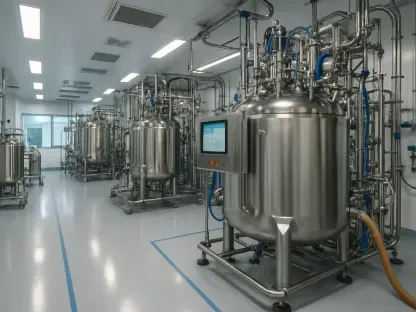
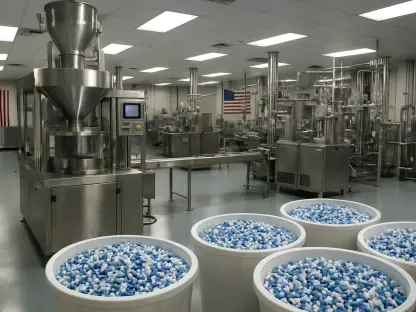
In Asia, Thermo Fisher is carving out a powerful presence with a new bioprocess design center in Hyderabad, India, alongside upgraded facilities in Incheon, Korea, and Singapore. The Hyderabad hub buzzes with potential, offering collaborative spaces for process simulation and optimization using single-use systems that slash waste. Meanwhile, enhancements in Incheon and Singapore bring pilot-scale testing and specialized training to the forefront, empowering developers of biologics and vaccines. These centers aren’t just facilities; they’re lifelines for accelerating timelines in a region that’s shaping the future of biopharma.
U.S. Hubs for Next-Gen Therapies
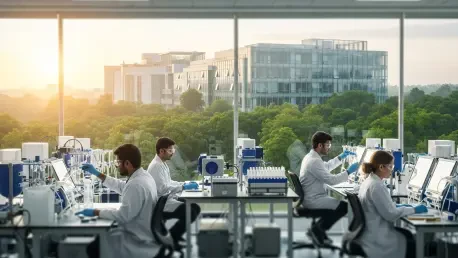
Across the ocean, the U.S. expansion focuses on the frontier of advanced therapies through Advanced Therapies Collaboration Centers (ATxCCs). A striking 53,000-square-foot facility in Philadelphia, housed within the BioLabs Advanced Therapeutics incubator, joins a recently opened center in Carlsbad, California. These spaces are designed as launchpads for cell and gene therapy startups, connecting them with top scientists and cutting-edge tech. By fostering partnerships, Thermo Fisher is helping smaller players overcome financial and technical hurdles, speeding up the journey from lab to clinic.
A Vision for Efficiency and Impact
This isn’t a one-size-fits-all strategy. In Asia, the emphasis lies on streamlining manufacturing and embedding sustainability through innovative systems that reduce environmental footprints. In contrast, the U.S. centers prioritize collaboration, ensuring emerging innovators don’t drown in the costs of early-stage research. Together, these efforts aim to cut development expenses by significant margins—some industry estimates suggest up to 20% savings through localized resources—and deliver therapies faster. Thermo Fisher is crafting a blueprint for balancing regional demands with global health goals.
Leadership Weighs In
Daniella Cramp, president of bioproduction at Thermo Fisher, captures the essence of this vision with clarity: “Asia’s role in biopharma innovation is undeniable, and these expanded centers place world-class support right at our customers’ doorstep for faster, cost-effective outcomes.” Her words echo a broader industry reality—Asia’s biopharma market is expanding at a double-digit rate each year, while U.S. investments in cell and gene therapies have soared past $10 billion recently. Having advanced facilities nearby isn’t just convenient; it’s a competitive necessity for developers racing against time.
What This Means for the Industry
For stakeholders, the implications are game-changing. In Asia, partnering with these new centers offers a chance to refine production using tools that can shrink timelines by weeks. In the U.S., startups gain access to shared resources, bypassing the need for hefty upfront investments. Sustainability also takes center stage—single-use systems and simulation tools available at these hubs provide a path to eco-friendly innovation. Thermo Fisher’s dual approach is not just reshaping workflows; it’s redefining how the industry collaborates and innovates on a global scale.
Looking Back, Moving Forward
Reflecting on this bold expansion, Thermo Fisher Scientific set a powerful precedent by bridging critical gaps in biopharma development across two continents. The facilities in Asia and the U.S. became more than infrastructure; they emerged as catalysts for speed and sustainability in a field hungry for progress. Moving forward, developers should seize the chance to engage with these centers, leveraging localized expertise to push boundaries. Industry players must also advocate for broader access to such resources, ensuring that even the smallest innovators can contribute to a healthier future. The journey ahead demands collaboration, and these expansions laid a vital foundation for what’s next.