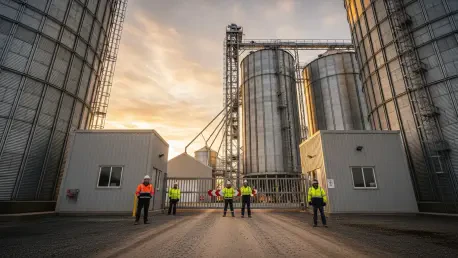

The rhythmic grinding of machinery and the heavy scent of processed grain have been replaced by the persistent, rhythmic beat of drums and the defiant voices of thousands echoing across the Colorado plains. In Greeley, the massive JBS Swift Beef Co. plant stands as a silent monument to a fractured agreement, as 3,800 workers have traded their aprons for picket signs in a movement that has paralyzed one of the nation’s most productive slaughterhouses. This walkout is not merely a regional labor dispute; it represents the most significant strike in the American meatpacking sector since the mid-1980s, signaling a profound shift in how the people who feed the country demand to be treated.
A Historic Stand: In the Heart of America’s Meatpacking District
The atmosphere in Greeley is tense but resolute as the local community grapples with the sudden halt of an industrial engine that typically processes thousands of cattle daily. This strike marks the first time since the legendary 1985 Hormel walkout that a major U.S. slaughterhouse has faced such a coordinated and sustained labor stoppage. By walking off the line, these workers are challenging the status quo of an industry that has long relied on grueling labor and high turnover, effectively forcing a national conversation on the true cost of meat production.
For the city of Greeley, the plant is more than just a workplace; it is an economic cornerstone that supports local businesses and families. However, the silence currently emanating from the facility speaks volumes about the level of frustration felt by the workforce. As the strike continues into its third week, the geopolitical and economic ripples are being felt far beyond the Colorado border, highlighting the fragility of a food system that relies on a centralized and often overworked labor force.
The High Stakes: Of the Greeley Labor Dispute
This confrontation is occurring at a pivotal moment for the American beef industry, which is currently navigating a landscape defined by record-high retail prices and a shrinking livestock supply. The workers, represented by UFCW Local 7, are leveraging their collective power at a time when their labor is more critical than ever, yet they feel their contributions are being undervalued by a global corporate giant. The standoff serves as a high-stakes test of whether labor can reclaim its influence in a post-pandemic economy where “essential worker” status often felt like a title without accompanying financial security.
Beyond the immediate financial demands, the outcome of this dispute will likely dictate the terms of future contracts across the entire agricultural sector. If the workers succeed in securing their primary goals, it could inspire similar movements in other major packing hubs across the Midwest. Conversely, a prolonged stalemate or a corporate victory could solidify the existing power dynamics, potentially leading to further consolidation and a continued decline in the bargaining power of the industrial workforce.
Core Demands: And the Economic Realities of Modern Meatpacking
At the heart of the disagreement is a stark disparity between the company’s proposed 2% wage increase and the reality of a 75-year low in U.S. cattle populations, which has driven up the cost of living and operations simultaneously. Employees argue that such a nominal raise is effectively a pay cut when measured against the surging costs of housing, fuel, and healthcare in the Mountain West. They are seeking a contract that reflects the profitability the company has enjoyed during years of record beef prices, demanding that the wealth generated on the kill floor be more equitably distributed.
The shadow of the 2020 pandemic also looms large over the negotiations, as the Greeley plant was once the epicenter of a tragic outbreak that claimed several lives. This history of perceived safety failures and the physical toll of the work have hardened the resolve of the strikers, who view their demands for better healthcare and safety protocols as a non-negotiable debt owed for their service during the crisis. Meanwhile, some analysts point to a cynical market reality: with cattle supplies so low, the strike-induced reduction in slaughter capacity might inadvertently help JBS align its production with the available livestock, potentially protecting their margins even as the gates remain locked.
Perspectives: From the Picket Line and the Boardroom
Union representatives have remained steadfast, framing the strike as a fight for the dignity of the “backbone of the industry.” They emphasize that the workers have endured years of extreme conditions, including high-speed lines and health risks, only to be met with a contract offer that they feel ignores their essential role in the company’s global success. For many on the picket line, the struggle is about more than just pennies per hour; it is about ensuring that a career in meatpacking remains a viable path to a middle-class life in an increasingly expensive state.
In contrast, JBS USA is focused on maintaining the continuity of the national food supply, attempting to pivot its massive logistics network to cover the shortfall created by the Greeley shutdown. As the world’s largest meat processor, the company faces the daunting task of balancing shareholder expectations with the need for a stable and willing workforce. Their strategy involves redirecting livestock to other facilities across the country, a move designed to mitigate retail shortages while they continue to navigate a volatile agricultural market that shows no signs of stabilizing in the near future.
Navigating the Impact: On the American Consumer
As the strike drags on, the American consumer is beginning to feel the pressure at the grocery store, where beef prices are already hovering at historic levels. Experts are closely monitoring the situation to see if the loss of one of the nation’s largest processing hubs will trigger a “domino effect” of supply shortages and further price spikes. While the national supply chain has some inherent flexibility, a prolonged absence of Greeley’s output could lead to localized shortages and a noticeable increase in the price of premium cuts and ground beef alike.
The resolution of this strike will ultimately provide a roadmap for how the food industry handles the intersection of labor rights and national food security. Moving forward, policymakers and industry leaders must consider investing in more resilient, decentralized processing models that can withstand both labor unrest and environmental shocks. Strengthening the domestic supply chain will require not only technological innovation but also a renewed commitment to the safety and financial well-being of the workers who occupy the front lines of global food production. Progress in this sector depended on recognizing that sustainable agriculture was impossible without a sustainable and fairly compensated workforce.