
A single, microscopic trace of a beta-lactam antibiotic in an unrelated medication can trigger a life-threatening allergic reaction in a susceptible patient, a risk that has reshaped modern pharmaceutical production. The growing significance of segregated manufacturing is a direct response to this danger, driven by stringent regulatory demands from bodies like the U.S. FDA, which are determined to ensure absolute product purity and patient well-being. This analysis examines the key drivers behind this industry-wide shift, showcases a real-world example with Recipharm’s new specialized facility, and explores the future implications of this evolving standard.
The Rise of Dedicated and Segregated Facilities
Regulatory Mandates and Market Demand
The primary catalyst for this trend is the U.S. FDA’s draft guidance, which mandates that non-bacterial beta-lactam compounds be produced in completely separate and self-contained environments. This requirement is not merely a suggestion but a clear directive aimed at eliminating any possibility of cross-contamination. Consequently, pharmaceutical companies now face a choice: either invest heavily in building their own compliant facilities or find a partner who has already done so.
This regulatory pressure has fueled a surge in market demand for outsourced manufacturing solutions. Many pharmaceutical innovators prefer to avoid the high capital expenditure, complex validation processes, and resource commitment associated with constructing in-house dedicated facilities. As a result, the trend of partnering with specialized Contract Development and Manufacturing Organizations (CDMOs) is gaining significant traction, enabling companies to ensure compliance, maintain operational flexibility, and secure their supply chains.
Case Study Recipharm’s Specialized Beta-Lactam Facility
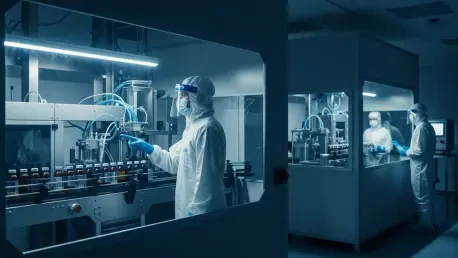
Recipharm’s establishment of a segregated facility for non-bacterial beta-lactam tablets at its site in Bengaluru, India, serves as a concrete example of this trend in action. This strategic investment was not speculative; it was a direct response to the new FDA requirements and the explicit needs of a client seeking a rapid, compliant, and reliable manufacturing solution.
The success of this initiative underscores the viability of the specialized outsourcing model. Recipharm quickly secured a manufacturing partnership with a biopharmaceutical company that needed to meet the FDA’s expectations without delay. Moreover, the facility was built with additional capacity, positioning the CDMO to support other customers facing the same regulatory challenges and demonstrating the clear market demand for such dedicated capabilities.
Industry Perspectives on the Shift to Segregation
From the CDMO perspective, evolving regulations represent an opportunity rather than a hurdle. Companies like Recipharm view these stricter standards as a chance to provide high-value, specialized services that solve complex problems for their clients. By shouldering the burden of building and validating segregated facilities, they remove significant barriers to innovation and market entry for drug developers.
In contrast, the biopharmaceutical client sees immense strategic value in outsourcing this specialized work. Partnering with a dedicated CDMO allows them to rapidly align with new regulatory mandates while keeping their internal resources focused on core activities like drug discovery and clinical development. This approach transforms a potentially disruptive compliance requirement into a streamlined operational decision.
Ultimately, the regulatory viewpoint, championed by agencies like the FDA and EMA, prioritizes one thing above all: enhanced patient safety. This unwavering commitment is the fundamental force driving the entire pharmaceutical industry toward more stringent, specialized, and segregated manufacturing protocols to protect public health.
Future Outlook The Evolution of Pharma Manufacturing
The successful implementation of segregated manufacturing for beta-lactams sets a precedent that could soon become the standard for other classes of drugs. It is highly likely that this model will be expanded to include other highly potent active pharmaceutical ingredients (HPAPIs) or sensitizing compounds, where even minute levels of cross-contamination pose a significant risk to patients or manufacturing personnel.
The primary benefits of this shift are clear and compelling. It offers superior patient safety by virtually eliminating cross-contamination risks, leads to increased manufacturing reliability through dedicated processes and equipment, and contributes to a more resilient and specialized pharmaceutical supply chain.
However, this trend is not without its challenges. The high initial investment required to design, build, and validate dedicated facilities is substantial, creating a high barrier to entry. Furthermore, if demand for specialized outsourcing continues to grow at its current pace, the industry could face capacity constraints, as the number of CDMOs with these advanced capabilities is still limited.
Conclusion Specialization as the New Standard
The move toward segregated manufacturing, propelled by stringent regulations, has become a non-negotiable standard for ensuring patient safety. This trend reflects a fundamental evolution in how the industry approaches the production of sensitive and potent medicines.
This shift has elevated the role of specialized CDMOs, positioning them as critical enablers of progress. They provide the infrastructure and expertise that allow pharmaceutical innovators to adapt to new rules without compromising speed to market or diverting focus from their core mission.
Ultimately, the strategic investment in segregated capabilities, as demonstrated by Recipharm, has proven to be essential for navigating the future of compliant and safe pharmaceutical production. It signals a new era where specialization is not just a competitive advantage but a prerequisite for success.