
In a decisive move to protect its industrial backbone and bolster its economic sovereignty, the Ukrainian government has instituted a zero-export quota for ferrous scrap metal for the year 2026. This pivotal decision, formalized by the Cabinet of Ministers through Resolution No. 1795 on the final day of 2025, responds directly to a mounting crisis that saw record outflows of a strategic raw material, leaving domestic metallurgical plants facing severe shortages. The policy, strongly championed by Ukrmetallurgprom, the association representing the nation’s mining and metallurgical sector, is not merely a protectionist measure but a multifaceted strategy aimed at halting significant budgetary losses, increasing the production of value-added goods, and aligning the country’s steel industry with stringent new international environmental standards. By retaining this critical resource within its borders, Ukraine aims to transform a vulnerability into a strength, ensuring the long-term stability and competitiveness of one of its most vital economic sectors.
Protecting Domestic Industry and State Revenue
Countering a Crippling Raw Material Deficit
The primary impetus behind the complete halt on scrap metal exports was the escalating raw material deficit that placed Ukraine’s domestic metallurgical plants in a precarious position. In recent years, a surge in scrap exports reached unprecedented levels, creating a severe shortage of this essential component for steel production. This outflow directly threatened the operational stability and production capacity of the nation’s foundries and mills, which rely on a steady supply of scrap to function efficiently. The situation had become so dire that industry leaders, represented by the Ukrmetallurgprom association, issued urgent calls for government intervention. They argued that allowing the unchecked export of such a strategic resource was tantamount to undermining the country’s industrial security. The zero-quota policy is therefore seen as an essential, economically justified measure to secure this critical supply chain, ensuring that Ukrainian steelmakers have the necessary inputs to maintain production, fulfill contracts, and contribute to the national economy, thereby safeguarding thousands of jobs and a cornerstone of the country’s industrial base.
Plugging a Major Budgetary Leak
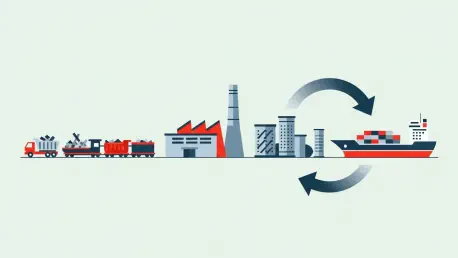
Beyond securing raw materials, the export ban addresses a pervasive and costly circumvention scheme that was draining billions of hryvnias from the state budget annually. A significant portion of the scrap metal leaving Ukraine was being shipped by traders to neighboring EU countries before being re-exported to its final destinations, often in Turkey or India. This roundabout route was a calculated maneuver to bypass Ukraine’s substantial €180 per ton export duty, which did not apply to trade with the EU. Oleksandr Kalenkov, the president of Ukrmetallurgprom, starkly illustrated the economic disparity this created. He noted that while exporters operating in this shadow economy contributed a mere 100 hryvnias in taxes per ton of raw scrap, processing that same ton domestically into finished steel products would generate an estimated 14,000 to 15,000 hryvnias in tax revenue. By keeping scrap metal within the country, metallurgical enterprises can produce higher-value finished goods, which not only generate significant foreign exchange earnings but also provide substantial financial inflows to state and local budgets, closing a critical loophole and maximizing the economic benefit of the nation’s resources.
Aligning with Global Environmental and Trade Standards
Preparing for the Carbon Border Adjustment Mechanism
The timing of the scrap export ban is strategically linked to significant shifts in international trade policy, most notably the European Union’s Carbon Border Adjustment Mechanism (CBAM), which came into full effect on January 1, 2026. This landmark regulation imposes a carbon tax on carbon-intensive goods imported into the EU, including steel, in an effort to prevent “carbon leakage” and encourage greener production methods globally. Critically, Ukraine was not granted an exemption from this tariff, meaning its steel exports to the crucial EU market are now subject to these new environmental levies. The CBAM fundamentally alters the competitive landscape, making the carbon footprint of production a direct factor in market access and profitability. For Ukraine’s steel industry, which relies heavily on exports to the EU, adaptation is not optional but a matter of survival. The government’s decision to restrict scrap exports is a proactive step to equip its domestic producers with the tools needed to navigate this new regulatory environment and maintain their position in a key international market.
A Future Forged in Greener Steel
The retention of scrap metal was recognized as a cornerstone of the Ukrainian steel industry’s strategy for decarbonization and compliance with the EU’s new environmental standards. Utilizing scrap in electric arc furnaces is a significantly less carbon-intensive method of producing steel compared to the traditional blast furnace route that relies on iron ore and coking coal. By ensuring a plentiful domestic supply of this secondary raw material, the policy directly enables Ukrainian steelmakers to lower the CO₂ emissions associated with their products. This reduction in carbon footprint made Ukrainian steel more competitive under the CBAM framework, mitigating the financial impact of the carbon tax and securing its place in the European market. This forward-thinking move was not only a response to an immediate economic challenge but also an investment in the long-term sustainability and modernization of the country’s industrial sector. The decision reflected a clear understanding that future economic success was inextricably linked to environmental responsibility, positioning Ukraine to compete in a global economy that increasingly prioritizes green production.