
A significant evolution is quietly reshaping the commercial furnishing landscape as businesses in hospitality, dining, and leisure are increasingly moving away from standardized, off-the-shelf furniture in favor of pieces that tell a unique story. This powerful market shift is being fueled by the growing understanding that outdoor spaces are no longer just functional afterthoughts but critical extensions of a brand’s identity and a key driver of the overall guest experience. As a result, the demand for custom-manufactured outdoor furniture has surged, creating a new paradigm where bespoke design, aesthetic alignment, and long-term durability are the primary currencies. This trend is fundamentally altering procurement practices, pushing manufacturers to evolve from simple suppliers into collaborative design partners capable of translating a client’s distinct vision into tangible, high-performance products that can captivate an audience and withstand the rigors of commercial use.
The New Standard: From Off-the-Shelf to Bespoke
The underlying driver of this transformation is the intense competition within the commercial sector to create memorable and curated atmospheres that foster customer loyalty. In a crowded marketplace, hotels, resorts, and restaurants are discovering that their physical environment is one of their most powerful branding tools. Outdoor patios, poolside lounges, and alfresco dining areas have become stages for this brand narrative, and the furniture within them serves as essential props. Generic, mass-produced pieces fail to convey a sense of exclusivity or align with a carefully crafted design ethos. Instead, commercial entities are now seeking bespoke solutions that are intricately tailored to their specific spatial requirements, functional needs, and overarching brand story. This move toward customization allows them to transform outdoor areas into immersive, brand-specific environments that offer a distinct and elevated experience for their clientele, setting them apart from competitors who rely on more conventional furnishing approaches.
This burgeoning demand for uniqueness has propelled the importance of Original Equipment Manufacturer (OEM) and Original Design Manufacturer (ODM) services to the forefront of the industry. These specialized manufacturing models are the critical link that empowers businesses to transcend the limitations of standard product catalogs and bring their unique visions to life. Through an OEM partnership, a client can have their own proprietary furniture designs produced to exact specifications, ensuring complete creative control. Alternatively, an ODM collaboration allows a business to work directly with a manufacturer’s design and R&D teams to develop entirely new concepts from the ground up, leveraging the manufacturer’s technical expertise. These services effectively democratize bespoke design, making it a viable and accessible strategy for a wide range of commercial buyers. They represent a fundamental shift in the manufacturer-client relationship, moving from a transactional exchange to a deeply collaborative partnership focused on co-creating products that are both aesthetically compelling and functionally superior.
Engineering for Excellence: Durability Meets Design
While aesthetics and brand alignment are paramount, in the high-stakes world of commercial furnishings, they cannot be pursued at the expense of performance and longevity. Furniture destined for high-traffic public venues must be meticulously engineered to endure relentless use, constant exposure to unpredictable and often harsh weather conditions, and the application of rigorous cleaning protocols necessary to maintain hygiene standards. The demand for customization is therefore inextricably linked to an uncompromising requirement for commercial-grade durability. Commercial buyers are making significant capital investments and expect a return in the form of long-term value, reliability, and minimal maintenance. This dual focus on design and durability has forced manufacturers to innovate, developing production methods and material specifications that deliver robust performance without sacrificing stylistic flexibility, ensuring that a custom piece is not only beautiful but built to last.
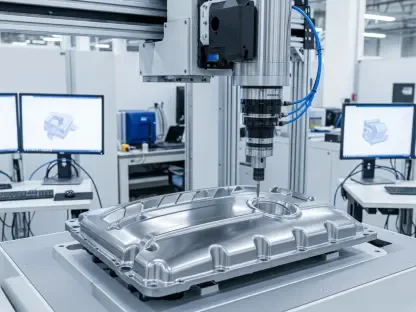
To meet these exacting standards, leading manufacturers are leveraging advanced materials and sophisticated construction techniques that guarantee superior resilience. This commitment to quality begins with the selection of high-grade 6061 and 6063 aluminum alloys for frames, which offer an optimal balance of lightweight handling and exceptional structural strength. To eliminate potential weak points, these frames are often constructed using fully welded joints, a method far superior to mechanical fasteners in ensuring long-term integrity. A crucial element in this process is the finish; a high-temperature powder-coating process, typically conducted at around 428°F (220°C), creates a durable, protective layer that provides outstanding resistance to rust, corrosion, and environmental wear. Furthermore, adherence to internationally recognized benchmarks, such as the EN 581 standard for outdoor furniture safety, stability, and durability, provides commercial buyers with a vital layer of third-party validation and assurance that their investment is both safe for public use and engineered for a long service life.
The Art of Personalization: Beyond Simple Color Swaps
The contemporary boom in custom outdoor furniture is defined by a level of personalization that extends far beyond merely selecting from a predefined list of color options. True customization empowers clients to modify nearly every attribute of a piece to achieve a perfect synthesis of form and function for their specific environment. This deep level of adaptation can involve structural adjustments to frame dimensions to optimize a layout, the selection of highly specific weaving materials like all-weather polyethylene (PE) rope or modern textilene fabric, and the choice of a wide array of premium tabletop surfaces, including resilient sintered stone, versatile high-pressure laminate (HPL), or classic teak wood. This comprehensive approach to personalization ensures that the final product is not just a modified version of a standard item but a truly unique creation that precisely meets the client’s aesthetic and operational requirements.
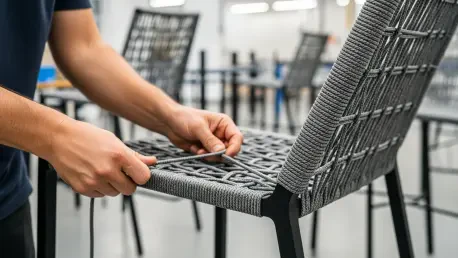
This inherent flexibility allows a single foundational design to be reinterpreted and adapted for an almost infinite range of applications and design themes. For example, a timeless French bistro chair, a classic in its own right, can be completely reimagined with a bold, contemporary color scheme and an intricate, modern weave pattern to complement an urban café. The same base model could also be customized with traditional tones and natural-looking materials to enhance the charm of a European-style garden patio. Similarly, sophisticated designs like twisted PE rope chairs, which are celebrated for their elegant appearance and exceptional durability, offer a perfect canvas for customization. Clients can select from various rope colors and weaving styles to create a piece that perfectly balances visual appeal with the practical necessities of all-weather resilience and minimal maintenance, making them an increasingly popular choice for upscale hotels and resorts seeking both style and substance.
A Global Phenomenon: The Collaborative Process
The insatiable demand for custom-designed outdoor furniture is not confined to a single region but is a truly global trend, with businesses across major markets in Europe, North America, and the Middle East actively seeking manufacturing partners capable of delivering unique, high-performance solutions. For these international clients, engaging in an OEM or ODM partnership with a specialized overseas manufacturer offers a distinct strategic advantage. It provides them with access to a broader range of materials and production capabilities, enabling them to procure distinctive furnishings that resonate with local tastes and reinforce their global brand identity. This approach is often more cost-effective than sourcing bespoke pieces locally, allowing for more ambitious design projects without exceeding budget constraints. This global supply chain for custom goods is making high-end, brand-specific design more attainable for a wider spectrum of commercial enterprises worldwide.
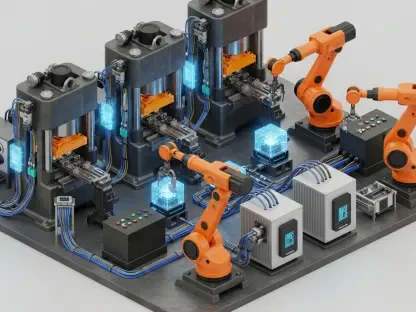
At its core, this global manufacturing process is profoundly collaborative, built on a foundation of close communication and shared expertise between the client and the manufacturer. The journey from concept to reality typically begins with the client’s initial vision, which can range from a highly detailed technical drawing to a more abstract mood board or inspirational sketch. This vision is then brought to the manufacturer’s research and development team, a group of specialists who play a pivotal role in the creative process. These experts work hand-in-hand with the client to translate abstract ideas into technically sound and manufacturable designs. This collaborative dialogue ensures that every detail, from material selection to structural engineering, is meticulously planned to guarantee that the final product not only aligns perfectly with the client’s aesthetic goals but also meets the highest standards of safety, durability, and functional performance required for commercial application.
A Market Redefined by Experience
The analysis of the commercial outdoor furniture sector revealed that the dramatic rise of OEM and ODM services was not a transient market fluctuation but a clear indicator of industry maturation. As commercial venues moved to compete more intensely on the basis of providing unique and memorable guest experiences, the strategic role of customized furnishings in shaping a venue’s identity and narrative grew exponentially. It became evident that manufacturers who possessed the necessary research and development capabilities, production flexibility, and unwavering commitment to quality were best positioned for sustained success in this new landscape. The ability of a manufacturer to function as a collaborative partner—delivering comprehensive, tailored solutions from individual pieces to fully coordinated sets, all backed by warranties and robust support—demonstrated the operational model that was essential to thrive. Ultimately, the core finding was that the confluence of brand expression, operational durability, and design specificity had become the primary driver of procurement decisions.