
The transformation of a regional economy from a traditional dependence on raw mineral extraction to a sophisticated hub of high-value industrial production marks a defining moment for India’s national development strategy. Odisha, long recognized primarily for its vast reserves of iron ore and bauxite, is currently executing a monumental pivot by greenlighting ten major industrial projects with a combined investment of approximately ₹44,200 crore. This strategic redirection, spearheaded by the state administration, signals a departure from the “dig-and-ship” model toward an integrated high-tech manufacturing ecosystem. By targeting sectors such as semiconductor fabrication, aerospace, and rare earth magnet production, the state is positioning itself as a critical node in the global supply chain. This shift is not merely an economic expansion but a calculated effort to secure technological sovereignty and transition toward a sustainable, value-added industrial future that can withstand the fluctuations of global commodity markets.
Diversifying Beyond the Mineral Extraction Model
Strengthening the Semiconductor Foundation
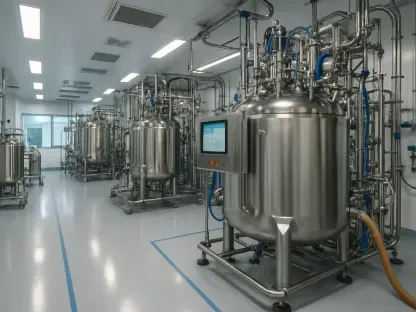
The approval of a ₹4,620 crore semiconductor memory chip unit represents a foundational step toward establishing a domestic electronics value chain. While the scale of this investment is focused specifically on memory components rather than the massive logic fabs found in East Asia, it serves as a critical entry point for specialized manufacturing expertise. Developing such a facility requires a highly controlled environment, a consistent supply of ultra-pure water, and a specialized workforce that hasn’t historically existed in the region. By securing this commitment, the state is signaling to international technology partners that it can provide the rigorous infrastructure necessary for high-precision electronics. This initiative is designed to reduce the reliance on imported components, which currently dominate the Indian consumer electronics market, thereby fostering a more resilient local production network that can scale as demand for domestic hardware continues to grow.
Beyond the immediate economic output, the presence of a semiconductor unit acts as a magnetic force for ancillary industries and technical talent. The ripple effects of this investment are expected to stimulate the growth of assembly, testing, and packaging services, creating a localized cluster of expertise. This strategic “downstream” positioning ensures that the economic benefits of the digital revolution are captured within the state borders rather than being exported to foreign manufacturing hubs. As the facility begins its operations, it will likely serve as a proof-of-concept for larger, more complex fabrication projects in the future. The transition into electronics manufacturing effectively bridges the gap between traditional heavy industry and the digital economy, providing a roadmap for other resource-rich regions to modernize their industrial bases without discarding their historical strengths in material processing and logistics.
Achieving Energy Stability Through Hydropower
To sustain the energy-intensive requirements of high-tech manufacturing, the state has prioritized significant investments in pumped storage hydropower, particularly through projects led by affiliates of the Adani Group. These facilities act as massive industrial batteries, allowing the grid to store excess energy during periods of low demand and release it during peak hours or when renewable sources are intermittent. For a semiconductor fab or a precision magnet plant, even a momentary fluctuation in power quality can lead to catastrophic losses in production yield. Therefore, the development of these energy storage solutions is not just an environmental initiative but a core requirement for industrial reliability. By integrating large-scale hydropower with the existing grid, the state ensures that its new high-tech corridors can operate with the stability required by global quality standards while simultaneously reducing the carbon footprint of its manufacturing sector.
The move toward pumped storage also aligns with the broader national goal of achieving a balanced and sustainable energy mix that supports long-term industrial growth. This infrastructure provides a safety net for the grid, mitigating the risks associated with the transition away from traditional fossil-fuel-based power generation. As these hydropower projects reach maturity between 2026 and 2030, they will offer a competitive advantage to the state, attracting further investment from companies that prioritize both green energy and operational uptime. The synergy between heavy-duty energy infrastructure and delicate high-tech manufacturing demonstrates a holistic approach to industrial planning. This ensures that the state does not just build factories but creates a self-sustaining ecosystem where energy reliability and industrial innovation are inextricably linked, providing a stable foundation for the next decade of economic expansion.
Securing the Future of High-Tech Supply Chains
Strategic Autonomy in Rare Earth Magnets
The proposal for a ₹1,050 crore high-performance permanent magnet plant by Magnova Private Ltd in Khurda is perhaps the most strategically significant component of the recent industrial approvals. These magnets, primarily composed of neodymium and praseodymium, are essential for the production of electric vehicle motors, wind turbine generators, and sophisticated defense hardware. Currently, the global supply for these materials is heavily concentrated in a single geographic region, creating a vulnerability for Indian manufacturers who rely on steady access to these components. By establishing a domestic production facility, the state is directly contributing to India’s geopolitical strategy of decoupling its critical supply chains from external dominance. This project represents a move into the most complex segments of material science, where the ability to process rare earth oxides into finished, high-grade industrial magnets provides a substantial competitive edge.
However, the path to full operational success for the magnet facility involves overcoming significant technical and logistical hurdles. The state must facilitate the establishment of a complete downstream processing chain, including the metallization of rare earth oxides and the high-precision strip casting required for magnet fabrication. Historically, these processes have been absent from the domestic industrial landscape, necessitating a rapid acquisition of technical know-how and the establishment of stable raw material sources. If successful, this plant will serve as a cornerstone for the burgeoning electric vehicle industry in India, providing local automotive manufacturers with the specialized components they need to compete on the global stage. This move into rare earth processing exemplifies the shift from being a supplier of raw minerals to a producer of the advanced materials that define the modern technological era, ensuring long-term industrial relevance.
Expanding the Aerospace and Telecommunications Frontier
The inclusion of aerospace and telecommunications infrastructure in the current investment wave further diversifies the industrial portfolio, moving away from the cyclical nature of the steel and mining sectors. Aerospace manufacturing requires a level of precision and quality control that sits at the pinnacle of the industrial hierarchy, necessitating a workforce trained in advanced metallurgy and composite materials. By attracting these projects, the state is fostering an environment where high-level engineering becomes a standard part of the local economy. Similarly, the expansion of telecommunications infrastructure is essential for the digital integration of these new factories, enabling the use of Industrial Internet of Things (IIoT) technologies and real-time supply chain monitoring. These sectors do not just create jobs; they elevate the entire industrial standard of the region, pushing local suppliers to upgrade their capabilities to meet more demanding specifications.
This multi-sectoral approach ensures that the state is not overly dependent on a single high-tech niche, but rather develops a broad-based technological infrastructure. The growth in aerospace and telecommunications creates a feedback loop, where the demands of one sector drive innovations in another, such as advanced materials developed for aerospace finding applications in specialized telecom hardware. As these projects move from the approval phase to active production, they will require a sophisticated logistics network and a regulatory environment that favors rapid innovation. The successful integration of these diverse industries will be the ultimate test of the state’s administrative capacity. By fostering a climate where aerospace engineers and telecom experts work alongside traditional industrial workers, the region is effectively rewriting its economic identity, proving that a resource-rich state can successfully rebrand itself as a modern center for global high-tech manufacturing.
Future Path to Industrial Maturity
The successful execution of these ten major industrial projects required a transition from planning to rigorous operational oversight. To ensure long-term viability, stakeholders focused on establishing robust vocational training programs specifically tailored to semiconductor fabrication and rare earth processing, filling the gap in specialized labor. Moving forward, the state must prioritize the creation of a seamless “single-window” regulatory environment that minimizes bureaucratic friction for international technology partners. Integrating these new facilities into the global supply chain will necessitate further investment in deep-water port facilities and dedicated freight corridors to handle high-value, time-sensitive exports. Furthermore, establishing a local research and development ecosystem in partnership with technical universities will be essential to maintain a competitive edge. By focusing on these logistical and educational pillars, the region secured its position as a reliable partner for global technology firms, ensuring that the recent capital commitments resulted in tangible industrial leadership and sustained economic resilience.