
The landscape of pharmaceutical production is undergoing a radical shift as the industry moves away from the fragile, hyper-extended supply chains that once defined global medicine. At the heart of this transformation is Siegfried, a Swiss contract development and manufacturing organization (CDMO) that is currently executing an aggressive strategy to anchor its operations firmly within American borders. By bypassing the hesitancy seen in other global firms, Siegfried is establishing a high-tech manufacturing corridor designed to meet the growing domestic demand for security and speed.
The Swiss Heavyweight Making a High-Stakes Power Play on American Soil
While many international competitors remain cautious due to shifting economic indicators, Siegfried has chosen this moment to double down on localized infrastructure. This move is not merely about increasing square footage; it is a calculated attempt to dominate the world’s most lucrative pharmaceutical market by solving persistent capacity constraints. The Swiss firm is betting that the future of the industry depends on having sophisticated production hubs close to the end consumer, reducing the reliance on distant overseas facilities.
The recent acquisition of major sites in Delaware and Georgia represents a definitive shift in the company’s geographic weight. By integrating these facilities into its global network, the organization is positioning itself as a primary partner for drug developers who require stability in an unpredictable geopolitical environment. This expansion signals a departure from traditional outsourcing models, favoring a more integrated, regional approach that prioritizes operational agility and immediate proximity to major biotech clusters.
Why the Push for Regionalized Drug Substance Production Matters Now
The move toward regionalization is fueled by a collective industry realization that “drug substance” manufacturing—the production of the complex chemical components of a medication—is the most vulnerable link in the supply chain. There has been a notable surge in demand for these core ingredients, yet the number of U.S.-based sites capable of handling sophisticated synthesis remains surprisingly low. Siegfried’s strategy directly addresses this gap by providing a domestic alternative that ensures drug security without sacrificing the technical excellence usually associated with European hubs.
Establishing a robust footprint on American soil allows the company to bypass the logistical nightmares and regulatory hurdles that often plague international shipping. Furthermore, the trend toward “Made in America” pharmaceutical ingredients is no longer just a political talking point; it has become a prerequisite for many pharmaceutical giants looking to insulate themselves from global shocks. By localizing production, Siegfried is effectively de-risking the development process for its partners, ensuring that critical therapies reach patients without delay.
Strategic Pillars of the Wilmington and Athens Acquisitions
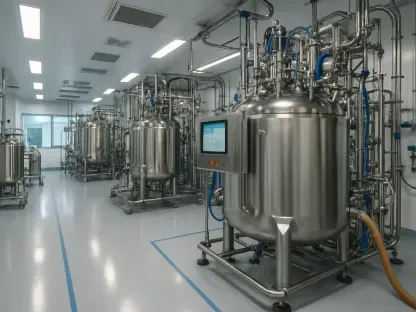
The backbone of this expansion consists of two pivotal assets: a 150-cubic-meter commercial-scale site in Wilmington, Delaware, and a specialized development facility in Athens, Georgia. The Wilmington plant is a marvel of modern engineering, featuring highly automated systems that can manage large-scale chemical synthesis with precision. In contrast, the Athens site serves as the technical laboratory where clinical-stage active pharmaceutical ingredients (APIs) are perfected before moving to mass production.
By linking these new locations with its existing facility in Pennsville, New Jersey, Siegfried has created a powerful manufacturing circuit on the East Coast. This proximity allows for a seamless “hand-off” of projects as they progress from the laboratory bench to commercial distribution. This cluster effect not only improves communication between technical teams but also reduces the time-to-market for complex small molecule therapies, providing a competitive edge that few other CDMOs can match.
Projecting Growth Through Technical Innovation and Financial Realignment
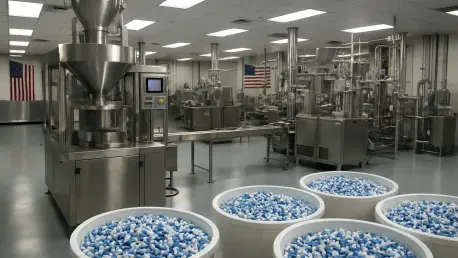
Financial experts anticipate that these strategic investments will contribute roughly $120 million in incremental annual revenue as the company shifts its portfolio toward high-growth, specialized projects. However, the expansion is as much about technology as it is about revenue. Siegfried is investing heavily in spray drying, a sophisticated process that bridges the gap between raw drug substances and final dosage forms. This technical capability is essential for modern medications that require specific solubility and stability profiles.
Beyond chemical processes, the company is embracing the digital transformation of its facilities to maximize efficiency and minimize waste. By digitalizing plant utilities and monitoring systems, the firm can maintain high output even during periods of market fluctuation. While some analysts noted a degree of caution regarding short-term contract visibility, the integration of U.S. sites with global hubs—such as the solid dosage facility in Spain—creates a diversified ecosystem that can absorb localized economic shifts while maintaining overall momentum.
Frameworks for Success in the Evolving CDMO Landscape
As Siegfried reshapes the competitive landscape, other players in the pharmaceutical sector must reconsider their approach to capacity optimization. Navigating this new environment requires a commitment to “dual-sourcing” models, where companies maintain domestic production capabilities to prevent the bottlenecks that crippled the industry in previous years. Smaller CDMOs, in particular, may find success by specializing in niche synthesis areas, such as controlled substances, where regulatory requirements are high and competition is less crowded.
The ultimate goal for any manufacturer in this era should be vertical integration—aligning the synthesis of drug substances with advanced delivery technologies. By offering end-to-end solutions, firms can reduce the complexity of the development cycle and provide more value to pharmaceutical partners. As the industry looked toward the next decade, the focus turned to how these localized hubs could foster innovation, ensuring that the next generation of life-saving treatments remained both accessible and resilient. This proactive shift toward domestic self-sufficiency laid the groundwork for a more stable and technologically advanced pharmaceutical ecosystem.