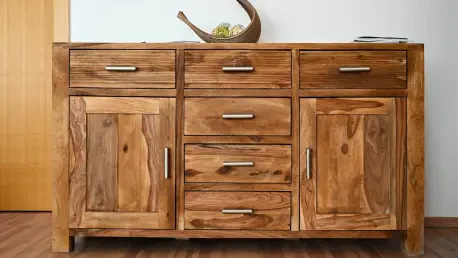

The rapid proliferation of disposable, mass-produced home goods has fundamentally altered the domestic retail landscape, yet a quiet revolution in Abbotsford, Wisconsin, proves that durability remains a premier commodity for the modern consumer. In a world where furniture is often viewed as a temporary fixture rather than a generational investment, Witmer Furniture has managed to carve out a significant presence by adhering to the rigorous standards of solid wood construction. This commitment to quality serves as a direct rebuttal to the prevailing “fast furniture” trend, which relies on cheap adhesives and compressed wood particles that inevitably fail within a few years of use. By prioritizing the structural integrity of every piece that leaves their facility, the company has transformed a traditional trade into a resilient business model that thrives on the growing consumer demand for authenticity and longevity. This dedication is not merely about aesthetic appeal but represents a broader philosophy that values the intersection of skilled labor and high-quality materials over the convenience of low-cost, short-lived alternatives.
Strategic Growth and Sustainable Material Sourcing
Evolutionary Milestones: Resource Management
The transition from a specialized niche to a broad residential furniture manufacturer required a delicate balance of visionary leadership and tactical expansion. When Wisconsin River Partners acquired the company in 2021, the primary objective was to preserve the local manufacturing legacy while providing the capital necessary for modernizing operations. This investment facilitated a massive 100,000-square-foot expansion of the facility, enabling the integration of sophisticated machinery that enhances precision without replacing the human touch essential to woodworking. By 2026, these upgrades have allowed the company to scale its production of bedroom sets, home office units, and custom commercial installations to meet a national demand that continues to rise. The growth strategy was meticulously designed to ensure that increased volume did not come at the expense of the brand’s reputation for excellence, proving that domestic manufacturing can scale effectively when backed by a clear mission and stable financial support.
Resource management at this scale demands a sophisticated logistics network that prioritizes local environmental and economic health. By sourcing the vast majority of their primary lumber—including oak, birch, and poplar—from within a 200-mile radius of the Abbotsford facility, the organization significantly reduces the environmental impact associated with long-distance transportation. This regional approach to procurement does more than just lower the carbon footprint; it strengthens the local timber industry and ensures a consistent supply of high-grade materials that have been acclimated to the regional climate. Furthermore, by partnering with domestic plywood suppliers like Columbia Forest Products and Murphy Plywood for internal components, the company maintains a transparent and ethical supply chain. This localized ecosystem of production demonstrates that sustainability is most effective when it is woven into the very fabric of the business model, rather than being treated as a secondary marketing consideration or a simple regulatory requirement.
Durability: Environmental Responsibility
The environmental philosophy of the company is rooted in the concept that the most sustainable product is the one that never needs to be replaced. While the furniture industry contributes millions of tons of waste to landfills annually due to the failure of low-quality materials like medium-density fiberboard (MDF) and plastic veneers, solid wood pieces offer a lifespan that can exceed a century. Every drawer is constructed with English dovetail joints and full-extension glides, ensuring that the mechanical components of the furniture are as robust as the wood itself. This “built to last” mentality directly challenges the modern throwaway culture by offering consumers a product that can be sanded, refinished, or repainted as tastes change over several decades. Consequently, a single purchase from this manufacturer can prevent the consumption and disposal of multiple lower-quality items, making it a highly effective form of environmental stewardship that rewards the buyer with long-term financial savings and a timeless aesthetic.
In contrast to the chemical-heavy manufacturing processes used in many imported goods, the reliance on solid wood and high-quality finishes minimizes the off-gassing of volatile organic compounds in the home. This focus on material integrity ensures that the furniture contributes to a healthier indoor environment, which is an increasingly important factor for contemporary homeowners. The inherent strength of solid timber allows for a level of repairability that is simply impossible with composite materials; if a solid oak dresser is scratched, it can be restored to its original beauty, whereas a damaged laminate surface often signals the end of a piece’s functional life. By championing this level of craftsmanship, the company educates the market on the true cost of “cheap” furniture, highlighting how the initial savings of mass-produced items are quickly eroded by their lack of durability and eventual environmental cost. This perspective shifts the narrative of sustainability from a matter of recycled content to one of permanent utility and waste prevention.
Innovative Operations and Workplace Culture
The Efficiency: Made-to-Order Manufacturing
Operating on a “pull” manufacturing model, the company has revolutionized the way customized furniture is delivered to the end consumer. Approximately 30% of the total revenue is generated through these bespoke orders, where customers are given the agency to select specific wood species, hardware configurations, and finish colors to suit their unique interior designs. This level of personalization is typically reserved for small-scale artisanal shops, yet the Abbotsford facility has successfully integrated this flexibility into a high-capacity production environment. By building pieces specifically for an individual customer rather than maintaining a stagnant inventory of pre-manufactured goods, the company reduces overhead costs and eliminates the risk of unsold stock. This lean manufacturing approach ensures that every item leaving the factory already has a dedicated destination, creating a direct connection between the craftspeople on the floor and the families who will eventually use the furniture.
Maintaining a four-week lead time for customized orders is an extraordinary feat in an industry where bespoke lead times often stretch into several months. This operational efficiency is achieved through a combination of state-of-the-art facility upgrades and a streamlined workflow that minimizes downtime between different stages of production. From the initial cutting of the lumber to the final application of the finish, the process is orchestrated to maximize throughput while maintaining the highest quality control standards. The integration of advanced computer numerical control (CNC) machinery allows for repeatable precision, ensuring that even the most complex custom requests are executed with perfect accuracy. This synergy between technology and traditional woodworking techniques allows the company to compete with the speed of mass production while offering the superior quality of handcrafted goods, proving that modern innovation can be the greatest ally of traditional craftsmanship when applied with strategic intent.
Fostering: A Skilled and Respected Workforce
The human element remains the most critical component of the manufacturing process, with a workforce of approximately 80 employees serving as the backbone of the company’s success. Many of these individuals have dedicated over 30 years to the craft, creating a repository of institutional knowledge that is nearly impossible to replicate in a high-turnover environment. Management prioritizes a culture of mutual respect and work-life balance, specifically by operating a single early-morning shift that concludes in the mid-afternoon. This scheduling allows parents to be present when their children return from school, fostering a family-centric atmosphere that strengthens the bond between the company and the local community. By treating employees as valuable partners rather than mere labor units, the organization has maintained a level of stability and morale that directly translates into the superior quality of the furniture they produce for their nationwide customer base.
Modern manufacturing requires a high level of technical literacy and problem-solving ability, a reality that the company reinforces through its robust internal training and skill development programs. Employees are encouraged to cross-train on various types of precision machinery and are rewarded for mastering the complex blueprints required for custom projects. This focus on professional growth helps to dispel the outdated perception of factory work as repetitive or low-skilled labor; instead, it highlights the sophisticated nature of contemporary woodworking. By investing in the intellectual and technical development of its staff, the company ensures that it is prepared for the technological advancements of 2026 and beyond. This commitment to the workforce not only improves operational flexibility but also creates a sense of pride and ownership among the staff, who view their work as a vital contribution to the enduring legacy of American manufacturing excellence.
Navigating the Global Market Through Quality
Competing Beyond: The Price Point
While it is difficult to compete solely on price against imports from countries with lower labor costs, the company has found success by targeting the mid-range market niche. By positioning its products above the low-tier, mass-produced imports but below the ultra-premium price points of some Amish-made furniture, the brand offers a compelling value proposition that resonates with middle-class consumers. The narrowing price gap, influenced by shifting trade policies and the rising costs of international shipping, has made domestic products more competitive than they have been in previous decades. Consumers are increasingly willing to pay a moderate premium for furniture that they know will last a lifetime, recognizing that the long-term value of a solid wood piece far outweighs the repeated costs of replacing inferior goods. This strategic positioning allows the company to maintain healthy margins while remaining accessible to a broad demographic of quality-conscious buyers.
The narrative of “value” is shifting from the lowest sticker price to the lowest cost of ownership over time, a trend that directly benefits high-quality domestic manufacturers. When a consumer evaluates a purchase in 2026, they are more likely to consider the durability of the materials and the ease of maintenance alongside the initial aesthetic appeal. The company capitalizes on this by emphasizing the superior construction techniques, such as the use of solid wood throughout the entire piece rather than just on visible surfaces. This transparency builds trust with the consumer, who can clearly see the difference in quality compared to the hollow or composite structures found in big-box retail stores. By focusing on these tangible benefits, the company demonstrates that American manufacturing can thrive in a globalized economy not by cutting corners, but by doubling down on the inherent advantages of superior materials and expert construction.
The Value: The American-Made Label
The “Made in USA” label has evolved into a powerful indicator of both quality and ethical responsibility, representing a commitment to domestic job creation and environmental standards. For many buyers, supporting a local Wisconsin business provides a sense of connection to the product and the people who made it, adding a layer of storytelling that mass production cannot replicate. This emotional resonance is backed by the practical benefits of domestic production, such as shorter shipping distances and more responsive customer service. As global supply chains remain susceptible to disruption, the reliability of a domestic manufacturer becomes a significant competitive advantage for retailers and interior designers who require consistent lead times and predictable quality. The company’s success serves as a blueprint for how traditional industries can modernize their operations while remaining deeply rooted in the values that define American craftsmanship.
Looking toward the future, the integration of artisanal quality with industrial-scale efficiency will be the primary driver of growth for domestic furniture brands. Consumers are no longer satisfied with generic, one-size-fits-all solutions; they demand products that reflect their personal values and lifestyle requirements. To maintain this momentum, manufacturers should continue to invest in both advanced technology and the training of the next generation of woodworkers. By fostering a culture of continuous improvement and community engagement, businesses can ensure that the trade remains a viable and prestigious career path. The key takeaway for the industry is that domestic manufacturing is not just a legacy to be preserved, but a dynamic and essential component of a sustainable economy. By prioritizing the intersection of material integrity and human skill, companies can continue to lead the way in providing products that are as meaningful as they are enduring.