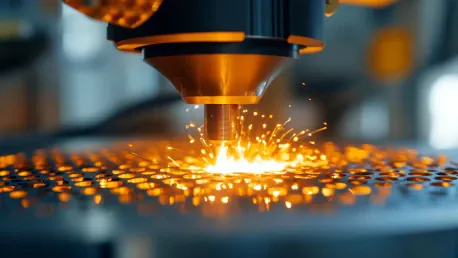
Fronius International, based in Wels, Austria, has unveiled a groundbreaking innovation in metal additive manufacturing with its new CMT Additive Pro. Originally known for its Cold Metal Transfer (CMT) technology developed in 2005, the company has extended its expertise to 3D printing applications,

In the evolving landscape of manufacturing, 3D printing has emerged as a transformative technology, particularly in polymer-based applications. However, ensuring the quality of 3D-printed parts is a critical aspect that industries with high precision demands cannot overlook. From aerospace
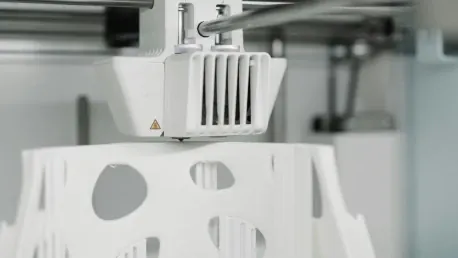
In a pioneering step for personalized healthcare, Imaginarium, a prominent digital manufacturing company in India, has significantly contributed to post-surgery care through the creation of customized 3D-printed orthotic devices. Highlighted by the inspiring recovery of Anamta Ahmad, a 15-year-old

X-Bow Systems Inc., a pioneering company in the domain of advanced manufactured solid rocket motors (SRMs) and defense technologies, has achieved a significant milestone with the successful third flight of its Bolt rocket, specifically using the XB-32 motor. This achievement is monumental for X-Bow
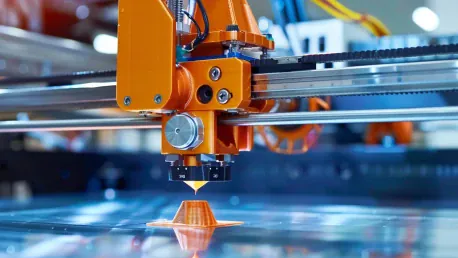
The year 2023 marked a monumental period for the additive manufacturing (AM) industry, particularly within the consumer products sector. With advancements in technology and an increasing number of companies adopting 3D printing, the number of consumer product parts produced using this innovative
Simulations play a pivotal role in the rapidly advancing field of metal 3D printing. The ability to accurately predict outcomes is essential for effective additive manufacturing (AM) design, separating successful projects from costly failures. The complexities inherent in metal AM make simulations