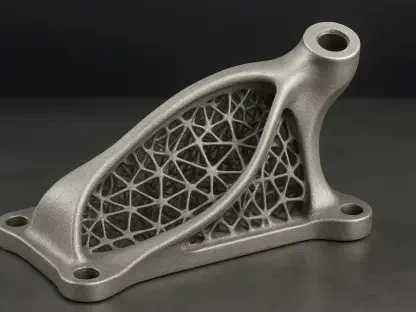
The economic benefits of using iron are substantial, as it provides a low-cost alternative to expensive alloying elements like vanadium and molybdenum. This shifts the strategic focus toward sustainable and accessible manufacturing for high-performance flight hardware in the modern era. In the

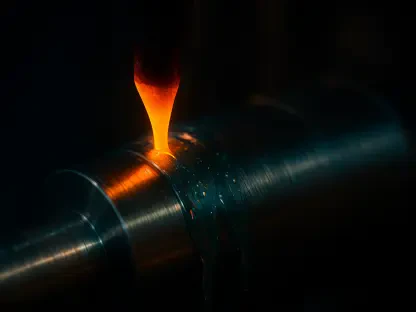
Molybdenum and vanadium serve as adaptive agents by reacting with oxygen to form low-shear Magnéli phases at the point of tool contact. This innovative chemical response represents a significant departure from static protection methods, as it allows the coating to evolve dynamically in response to

The decision to use specific infill patterns allows practitioners to engineer the internal characteristics of an object to meet high-impact resistance or weight-bearing requirements. In the current landscape of Fused Deposition Modeling, these internal structures act as the invisible backbone of
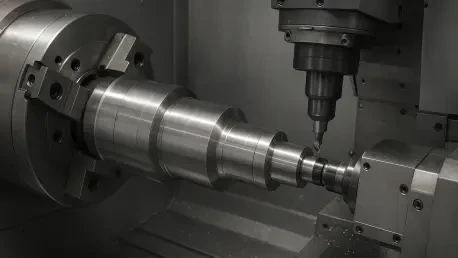
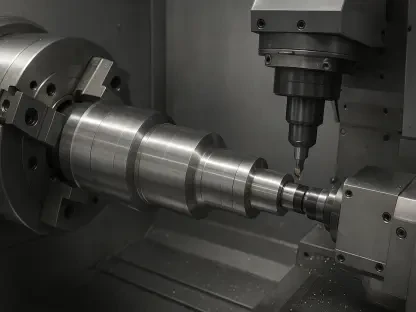
Safety during high-speed turning is managed through a specialized enclosure featuring laminated safety glass and a reinforced cabin top designed for operator protection. This strategic launch of the C 22 MT by HERMLE AG marks a definitive pivot in the landscape of high-precision manufacturing,
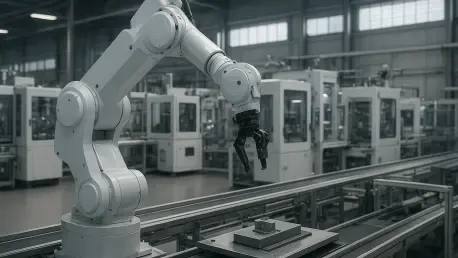
Precision machining facilities are adopting AI solutions to maintain their margins and ensure that pricing for complex parts remains accurate and competitive. The recent infusion of $20 million in capital, led by Nimble Ventures with backing from Lockheed Martin’s LM Ventures and others, signals a

The modern defense landscape is no longer defined by solitary giants but by a seamless, borderless network where a precision machine shop in regional Australia contributes critical components to a nuclear-powered vessel under construction in a Virginia shipyard. This shift represents the death of