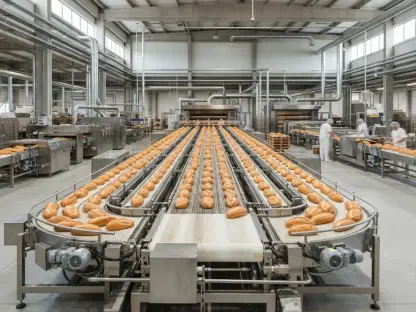

By effectively pausing the biological clock of produce through rapid temperature reduction, the food industry has solved the problem of natural deterioration that begins immediately after harvest. For generations, the frozen aisle was often viewed as a graveyard of bland dinners and sodium-heavy
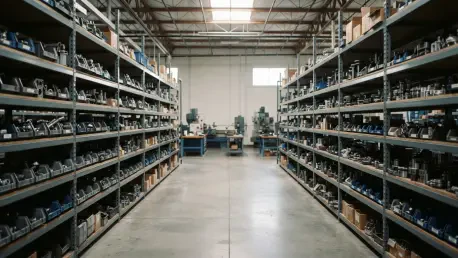
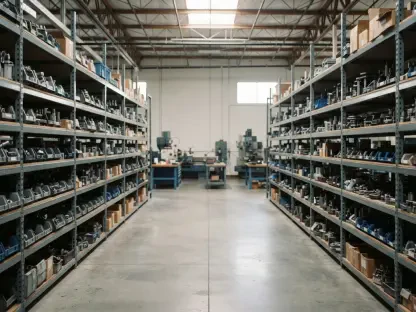
Most manufacturing organizations currently struggle with fragmented inventory data that prevents them from seeing what parts are already sitting in their own warehouses. This pervasive lack of visibility often forces procurement teams to purchase expensive components that are already available in a
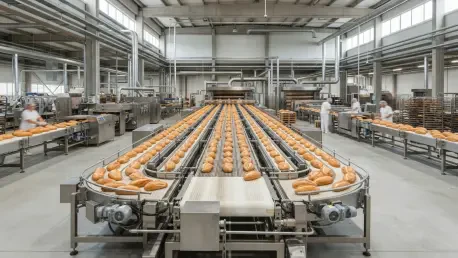
Premier’s EBITDA margin improved by 120 basis points to 13.9%, reflecting the realization of significant merger synergies in procurement and distribution. This performance serves as a testament to the group's ability to absorb the Rhodes Food Group (RFG) assets into its existing operational
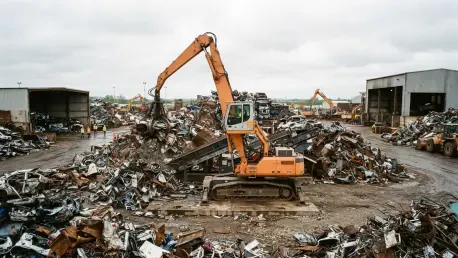
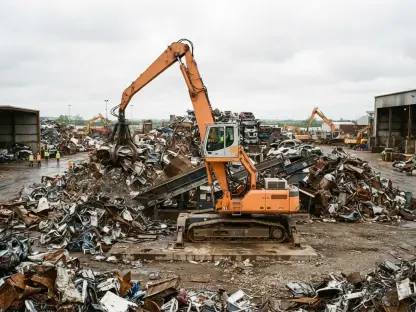
A single mechanical failure in a scrap-handling chain can halt the entire production process, transforming a productive workday into a series of expensive logistical and financial challenges. In the current landscape of 2026, where global demand for recycled materials continues to surge, the
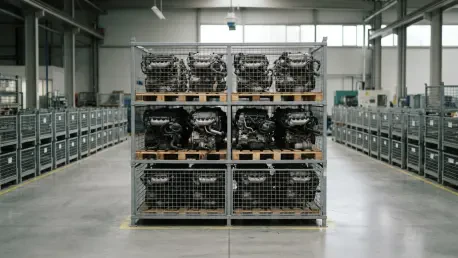
Logistics teams can now identify exactly where assets are accumulating and where shortages are likely to occur by using a continuous digital overview of inventory. This shift comes at a critical juncture for the automotive sector, which remains one of the most complex supply chain environments in
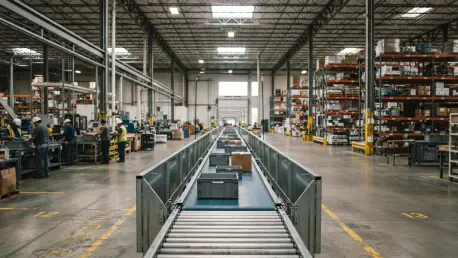
Industrial organizations that thrive in the current climate are those that have successfully pivoted from seeing the supply chain as a mere expense toward treating it as a cornerstone of strategic resilience. In the current landscape of 2026, the fragility of global trade has moved from a