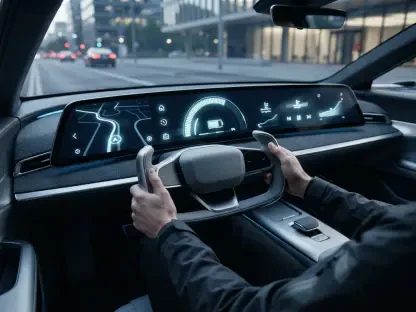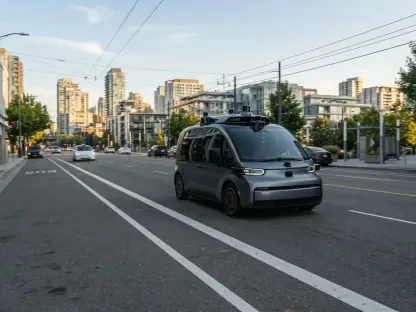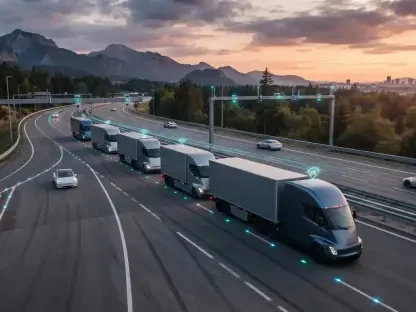
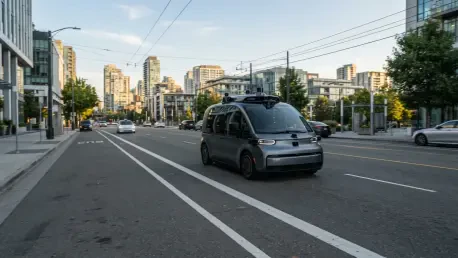
Autonomous driving technology is moving beyond rigid rule-based systems to embrace models that can predict physical consequences such as friction and inertia. This shift represents a fundamental pivot in the architecture of artificial intelligence, moving away from purely digital patterns found in
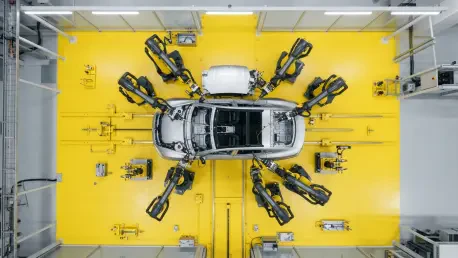
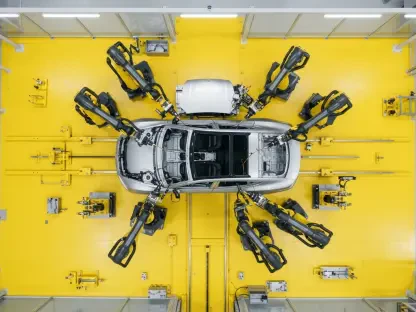
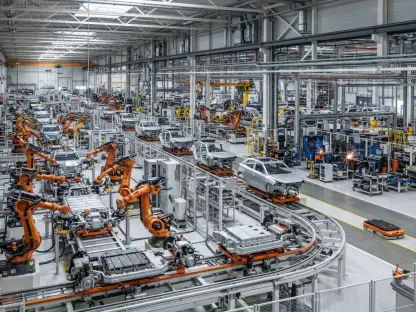
The rhythmic hum of automated assembly lines across the European continent is beginning to carry a distinctly Eastern cadence as Chinese automotive titans trade their shipping containers for local construction permits. In the first half of 2026, Chinese vehicle sales in Europe skyrocketed by a
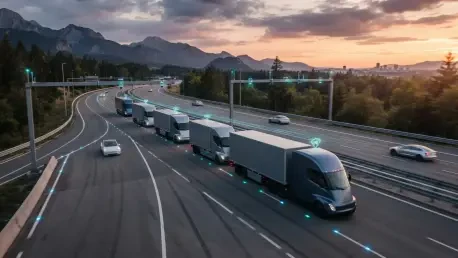
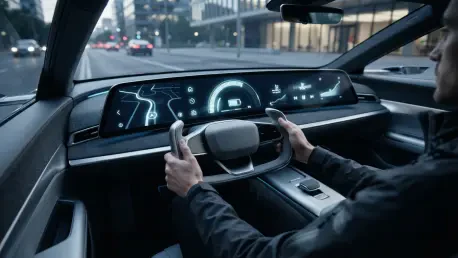
Consumer vehicles now feature approximately ten high-definition cameras and precision radar systems that monitor surroundings with a level of detail previously reserved for specialized equipment. This transformation has turned the modern automobile into a sophisticated data collection hub,
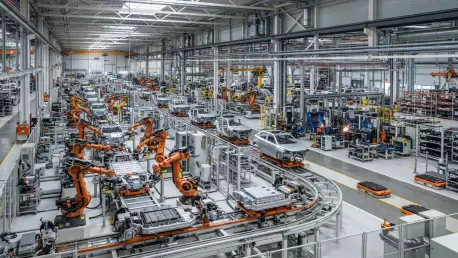
The collaborative development of a new Opel C-SUV demonstrates how Chinese software expertise is being fused with German engineering to accelerate the transition to electrification. This strategic alliance between Stellantis and Leapmotor represents a pivotal shift in the global automotive

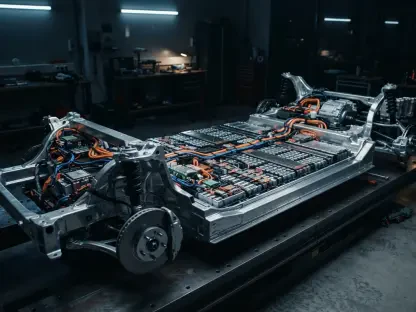
Chip-level vulnerabilities present a systemic risk to the automotive supply chain because one discovered backdoor can compromise millions of different vehicles. This reality highlights the profound transformation of the automobile from a standalone mechanical assembly into a highly integrated
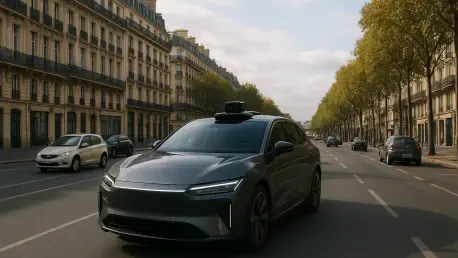
The absence of clear lane markings on the Champs-Élysées forced the vehicle's AI to synthesize its own digital path through a dense thicket of urban traffic. This high-stakes demonstration in the heart of France serves as a litmus test for BYD’s advanced "God’s Eye" City Navigation on Driving
1 2 3 4 5 6 7 8 9 10 11 12 13 14 15 16 17 18 19 20 21 22 23 24 25 26 27 28 29 30 31 32 33 34 35 36 37 38 39 40 41 42 43 44 45 46 47 48 49 50 51 52 53 54 55