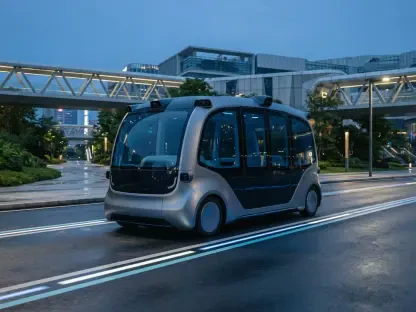
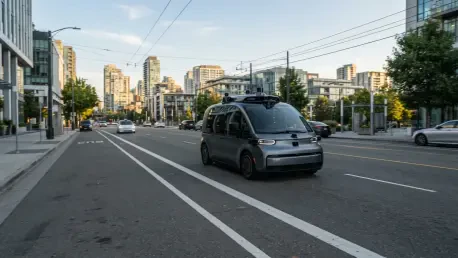
Autonomous driving technology is moving beyond rigid rule-based systems to embrace models that can predict physical consequences such as friction and inertia. This shift represents a fundamental pivot in the architecture of artificial intelligence, moving away from purely digital patterns found in
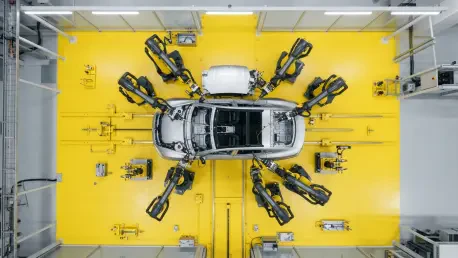
The rhythmic hum of automated assembly lines across the European continent is beginning to carry a distinctly Eastern cadence as Chinese automotive titans trade their shipping containers for local construction permits. In the first half of 2026, Chinese vehicle sales in Europe skyrocketed by a
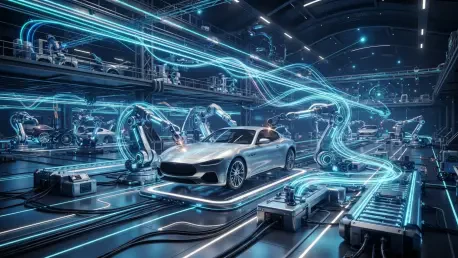
The traditional roar of an internal combustion engine, once the ultimate metric of automotive prestige, has been superseded by the silent and rapid execution of server-side code within a sprawling digital architecture. As the automotive industry transitions away from purely mechanical engineering
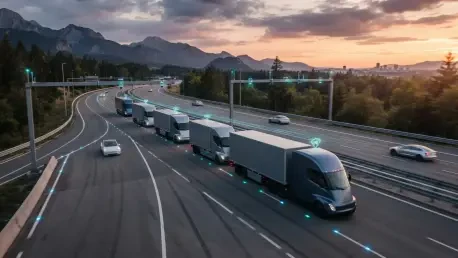
Consumer vehicles now feature approximately ten high-definition cameras and precision radar systems that monitor surroundings with a level of detail previously reserved for specialized equipment. This transformation has turned the modern automobile into a sophisticated data collection hub,
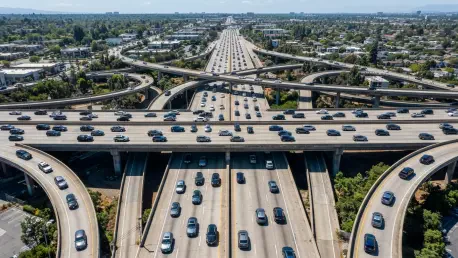
Advanced algorithmic frameworks are now capable of adjusting safety margins in real time based on the current quality of the digital signal. This technological milestone marks a departure from the traditional methods of managing highway congestion, which have long relied on the reactive habits of
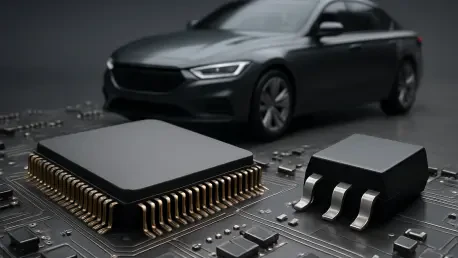
Specialized firms like Telechips and Nextchip are focusing on high-growth niches such as in-vehicle infotainment and advanced image recognition for driver assistance systems. This strategic pivot marks a significant moment in South Korea's industrial history, as the nation moves to diversify its