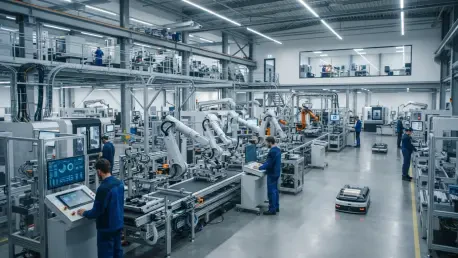

Advanced packaging solutions are increasingly prioritized as the industry moves away from monolithic chip designs toward more versatile and complex chiplet architectures. This transition signifies a fundamental shift in how computing power is scaled, moving beyond the traditional shrinking of
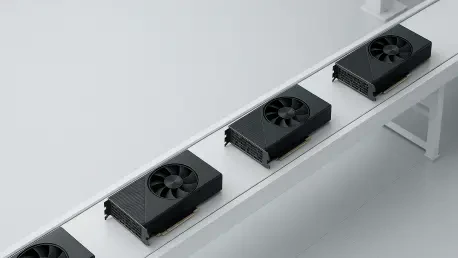
The decentralized nature of the gaming hardware industry creates data silos that often limit the effectiveness of holistic artificial intelligence models. This fragmentation is increasingly at odds with the technical demands of manufacturing modern graphics processing units and next-generation

Data from UNCTAD suggests that the financial rewards of semiconductor technology are dictated by intellectual property ownership rather than the physical act of manufacturing. While the global race to subsidize domestic chip production has intensified, with nations committing staggering sums to
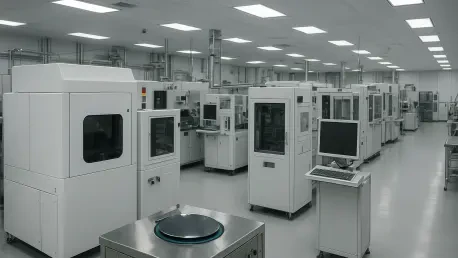
Tesla’s Optimus humanoid robot and Cybercab fleet require specialized processors that prioritize energy efficiency and low-latency data processing over standard commercial chip features. This specialized demand has driven the establishment of Terafab, a centralized semiconductor manufacturing
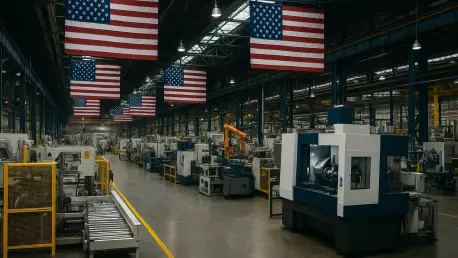
Specific tax provisions allowing for the immediate deduction of capital expenditures have prompted small-scale manufacturers like Munson Boats to resume stalled expansion projects. Building on this individual success, the White House Council of Economic Advisers (CEA) recently released its

Decentralized machine learning requires a physical foundation that can deliver high performance with minimal power consumption, a challenge currently addressed by the development of tailored CMOS hardware. As the EFX—Expo for Electronics Manufacturing unfolds at the Stuttgart exhibition center from