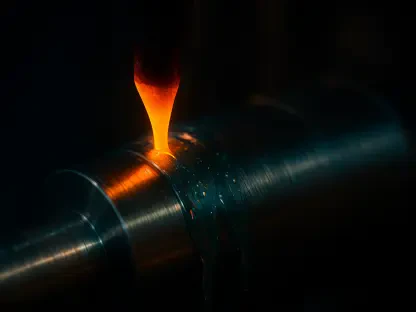
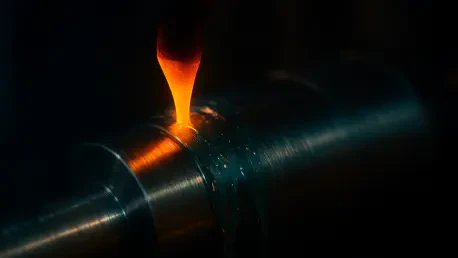
Molybdenum and vanadium serve as adaptive agents by reacting with oxygen to form low-shear Magnéli phases at the point of tool contact. This innovative chemical response represents a significant departure from static protection methods, as it allows the coating to evolve dynamically in response to
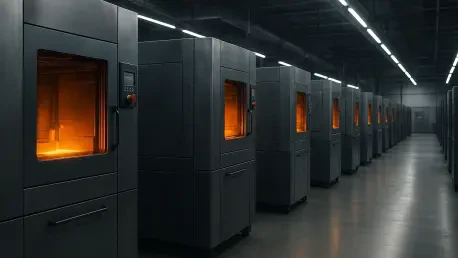
High-volume service providers are becoming the backbone of the additive industry by managing the complexities of 24/7 industrial printer operations. The initial dream of decentralized manufacturing, where every home or office would house a high-end 3D printer, has largely been replaced by a reality
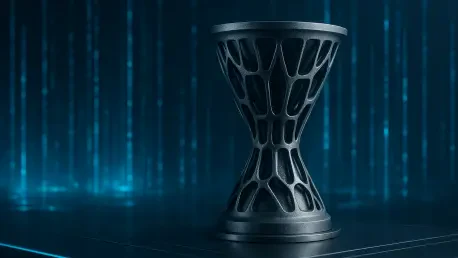
The thunderous roar of a rocket ascending toward the stars often obscures the grueling administrative battle fought by engineers on the ground to certify every individual printed part. While additive manufacturing has mastered the art of printing complex geometries, the industry remains shackled by
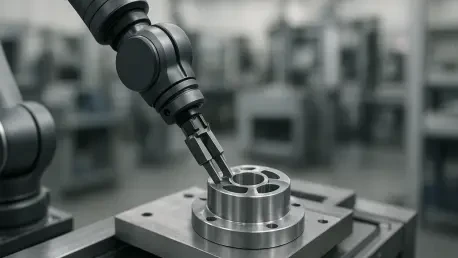
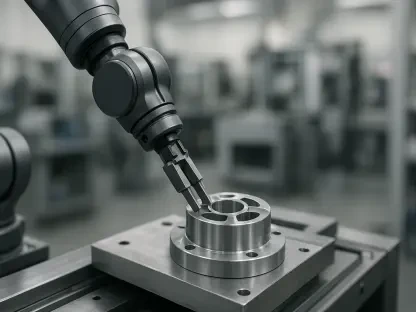
As traditional industrial robots struggle with rigid programming, Walden Robotics is developing machines that can adapt to changing factory floor conditions. For decades, the manufacturing sector relied on automation that performed with clockwork precision but lacked any inherent capacity to handle
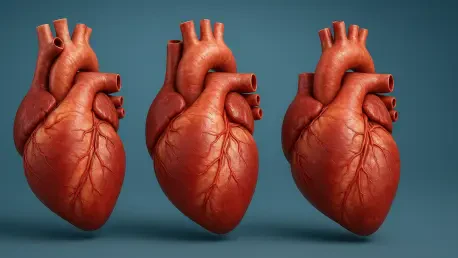
Imagine the overwhelming silence that follows a diagnosis when a cardiologist explains that a newborn’s heart, an organ barely the size of a walnut, possesses structural defects that require immediate surgical intervention. For thousands of families across Australia and beyond, this moment marks
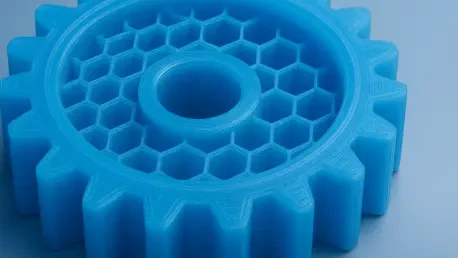
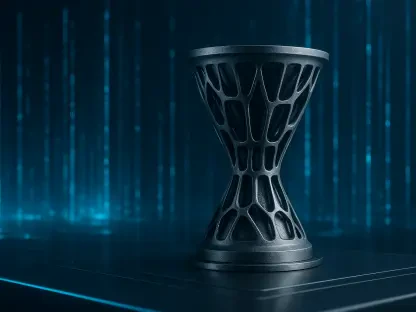
The decision to use specific infill patterns allows practitioners to engineer the internal characteristics of an object to meet high-impact resistance or weight-bearing requirements. In the current landscape of Fused Deposition Modeling, these internal structures act as the invisible backbone of
1 2 3 4 5 6 7 8 9 10 11 12 13 14 15 16 17 18 19 20 21 22 23 24 25 26 27 28 29 30 31 32 33 34 35 36 37 38 39 40 41 42 43 44 45 46 47